

A bold public health move
Abu Dhabi bans junk food advertising
The measure aligns with Abu Dhabi's multi-year push to create healthier food environments, particularly for children and adolescents who are especially vulnerable to junk-food marketing.
Friday 27/02/2026
A bold public health move
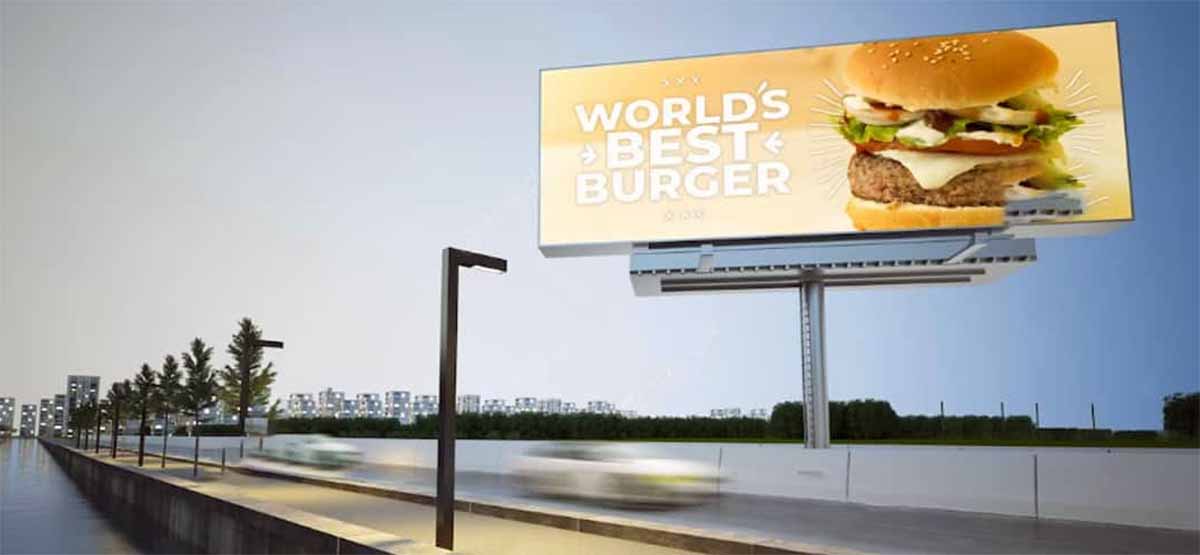
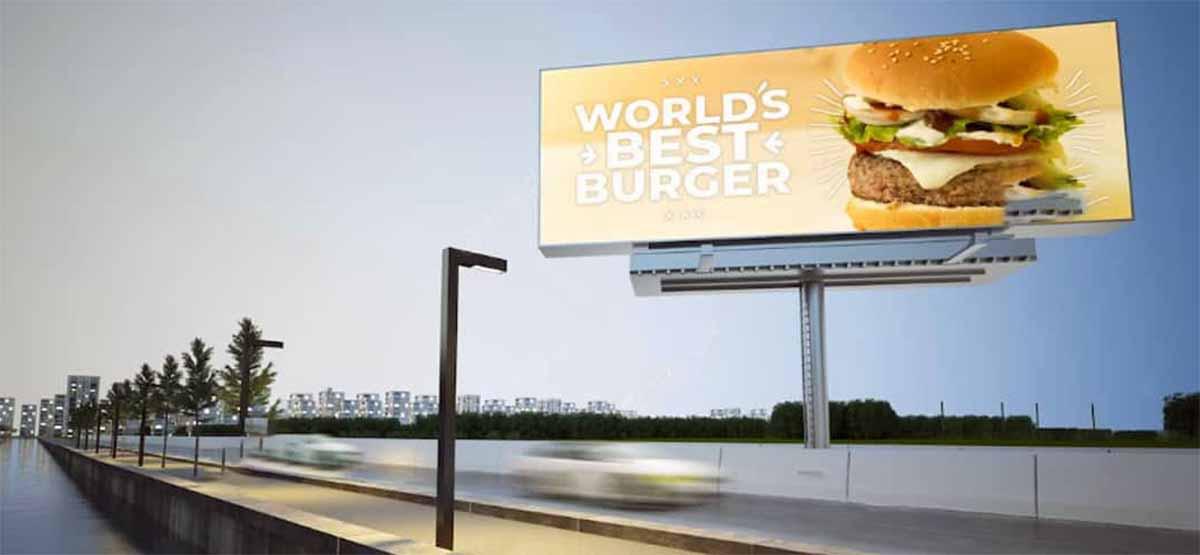
ABU DHABI - The Gulf Emirate of Abu Dhabi has implemented a comprehensive ban on outdoor advertising for fast food and other unhealthy food and beverage products in a decisive step to combat rising rates of obesity, diabetes, and other diet-related chronic diseases.
The policy, effective from the end of 2025, prohibits the promotion of high-fat, high-sugar, and high-salt items across billboards, digital signage, street furniture, bus shelters, taxis, delivery vehicles, and other public-facing media throughout the emirate.
The Department of Health – Abu Dhabi (DoH) introduced the regulations as part of the broader Healthy Living Abu Dhabi initiative, which already includes strict rules on school canteens, junk food spot-checks in children's lunches, and restrictions on unhealthy food deliveries to educational institutions.
Dr. Ahmed AlKhazraji, Executive Director of Healthy Living Abu Dhabi, explained the rationale in an interview with The National.
“If you drive across the emirate of Abu Dhabi you're now not going to see unhealthy food and beverage promotion. The goal is to help people make better choices when it comes to personal well-being,” said AlKhazraji.
The ban targets products classified as unhealthy under the emirate's SEHHI nutritional profiling system (Grades C, D, or E).
Items meeting these criteria — including many popular fast-food burgers, fried items, sugary drinks, and processed snacks — can no longer appear in out-of-home (OOH) advertising. Importantly, the policy also prohibits brand-only advertising (e.g., a McDonald's logo without a specific product). Ads must feature actual food or drink items, and only those meeting stricter A or B grade nutritional standards are permitted in public spaces.
The rules apply to all licensed entities involved in food and beverage advertising or promotion in Abu Dhabi. Existing contracts may need adjustment, though authorities have indicated a phased approach with a policy review planned for 2028.
The measure aligns with Abu Dhabi's multi-year push to create healthier food environments, particularly for children and adolescents who are especially vulnerable to junk-food marketing. Noncommunicable diseases linked to poor diet remain a major public health challenge in the UAE, despite significant progress in other areas like physical activity promotion and screening programs.
Experts have welcomed the ban as a logical extension of school-level restrictions and a proactive way to reduce exposure to persuasive marketing in everyday settings. Supporters argue it levels the playing field, encouraging brands to reformulate products or highlight healthier options.
The policy does not restrict indoor advertising (e.g., inside malls or restaurants), television, online digital ads (beyond certain OOH formats), or the sale/consumption of fast food itself — only its visibility in public outdoor spaces.
Reactions and implications
Initial public response has been largely positive among health advocates, with social media posts praising the emirate for prioritizing long-term wellness over commercial interests. Some residents noted immediate changes while driving, with previously prominent fast-food billboards now featuring compliant or alternative promotions.
The ban requires quick adaptation for the food industry as chains may shift focus to healthier menu items, invest in reformulation, or redirect marketing budgets to permitted channels.
This advertising restriction reinforces Abu Dhabi’s commitment to evidence-based policies that shape healthier choices through environmental design. With the policy set for periodic review, future updates could expand or refine its reach based on health outcomes and stakeholder feedback.
In a city known for rapid modernization, Abu Dhabi's decision to curb junk food visibility signals a thoughtful pivot toward balancing economic vibrancy with resident well-being — one billboard at a time.