



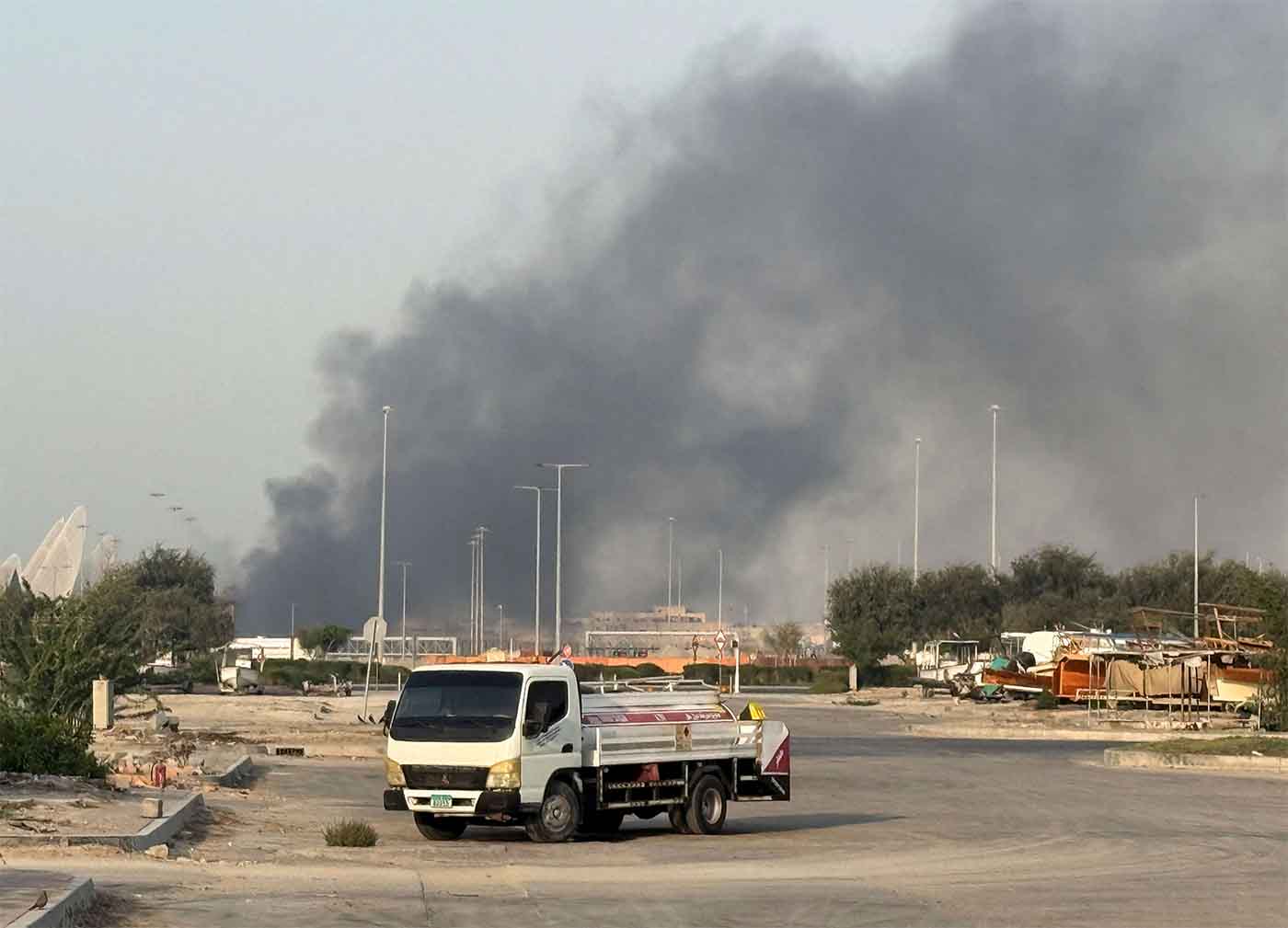
The UAE's oil and gas infrastructure has been repeatedly targeted by Iran
Abu Dhabi says debris from intercepted threat hit Habshan gas facilities
Operations in Habshan gas facilities have been temporarily suspended following a fire caused by debris from intercepted aerial threat.
Friday 03/04/2026
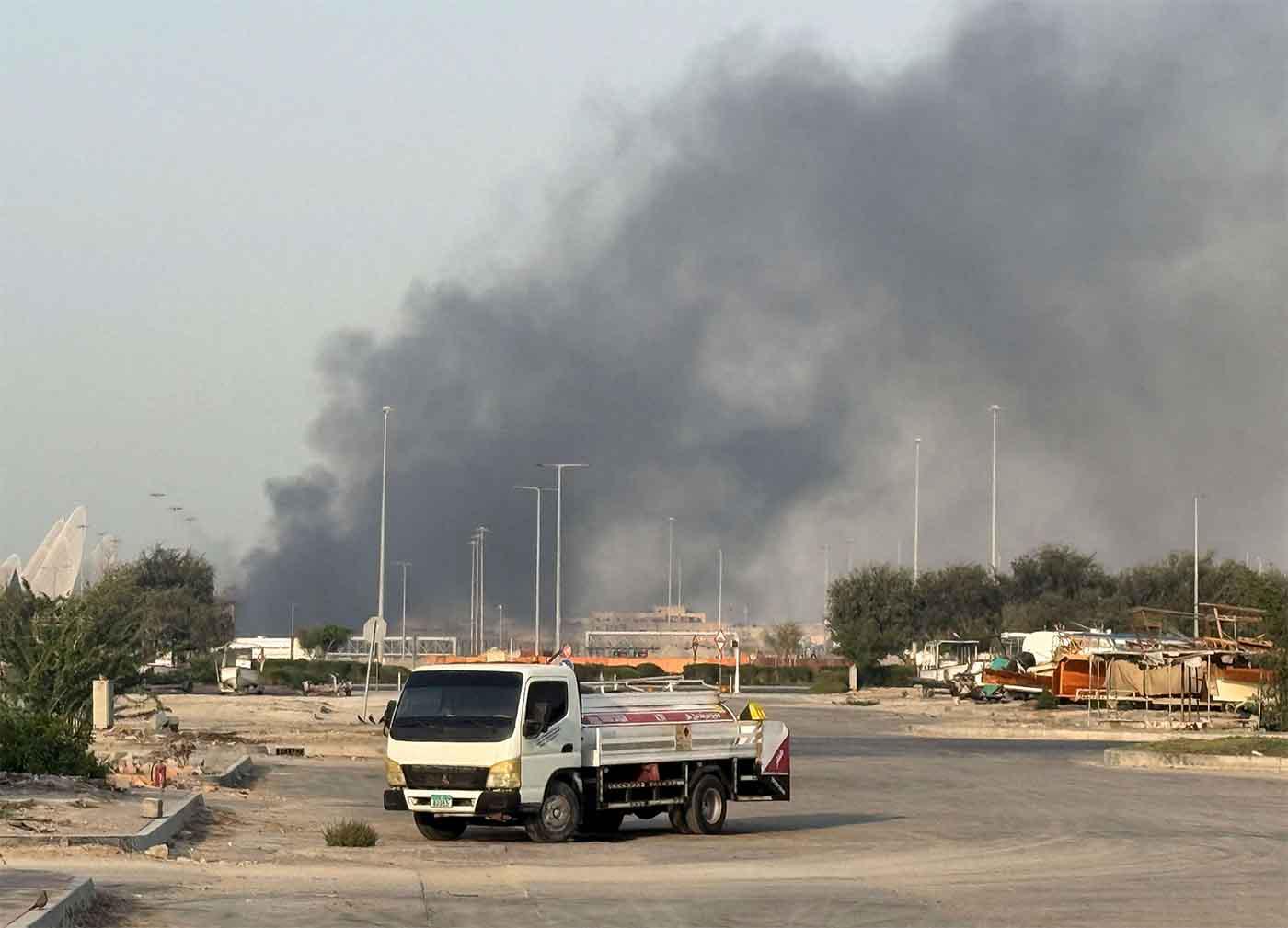
The UAE's oil and gas infrastructure has been repeatedly targeted by Iran
ABU DHABI - Debris from an intercepted aerial threat fell on Abu Dhabi's Habshan gas facilities, prompting a temporary suspension of operations and a fire that emergency teams were working to contain, with no injuries reported, the Abu Dhabi Media Office said.
No injuries were reported in the incident, which occurred as UAE air defences successfully intercepted the incoming threat, according to the official statement. The Habshan complex, one of the emirate’s key gas processing and production sites operated by the Abu Dhabi National Oil Company (ADNOC), was placed on immediate lockdown following the debris impact.
Emergency crews were deployed within minutes and have since brought the fire under control. Operations at the facility have been paused as a precautionary measure while full damage assessments are conducted and safety checks completed. The Media Office confirmed that all necessary measures are being taken to ensure the swift and safe resumption of activities.
Latest Incident in Iran’s Ongoing Campaign
The strike marks the latest direct impact on UAE critical infrastructure since Iran launched its wave of attacks on February 28. Over the past month, UAE air defences have engaged hundreds of ballistic missiles, cruise missiles, and drones targeting the country. Friday’s event underscores the persistent risk to energy installations even when incoming threats are successfully intercepted mid-air.
Habshan plays a vital role in Abu Dhabi’s hydrocarbon sector, contributing significantly to the UAE’s gas supply and export capabilities. Any disruption, even temporary, has the potential to affect regional energy markets already strained by the month-long conflict.
The Abu Dhabi Media Office stressed that production continuity and public safety remain the top priorities. ADNOC has not yet issued a separate statement on the operational or financial impact, but officials indicated that alternative supply arrangements are in place to minimise any effect on domestic and international customers.
This incident comes just few minutes after Kuwait reported an Iranian strike on one of its power and water desalination plants and follows high-level diplomatic engagements between UAE President Sheikh Mohamed bin Zayed and US President Donald Trump, as well as Saudi Crown Prince Mohammed bin Salman and Russian President Vladimir Putin. Those calls focused on de-escalation, protection of civilian infrastructure, and threats to maritime security.
Energy analysts note that repeated attempts to target Gulf energy facilities highlight the vulnerability of the region’s oil and gas infrastructure despite advanced defence systems. The UAE has repeatedly condemned such attacks as violations of sovereignty and threats to global energy stability.
As of Friday afternoon, no further details on the type of aerial threat or its point of origin have been released beyond the official confirmation of an “intercepted aerial threat.” Authorities urged the public to rely solely on verified government statements and avoid speculation.
The Abu Dhabi government has reiterated its commitment to protecting national assets and ensuring the uninterrupted supply of energy while continuing to coordinate closely with regional and international partners to address the escalating security challenges.