

Inappropriate exploitation of national heritage
AI-generated advert sparks outrage in Iraq for using national icons
For some observers, transforming towering literary and political personalities into branding devices amounted to what they called the “commodification of national memory.”
Thursday 19/02/2026
Inappropriate exploitation of national heritage
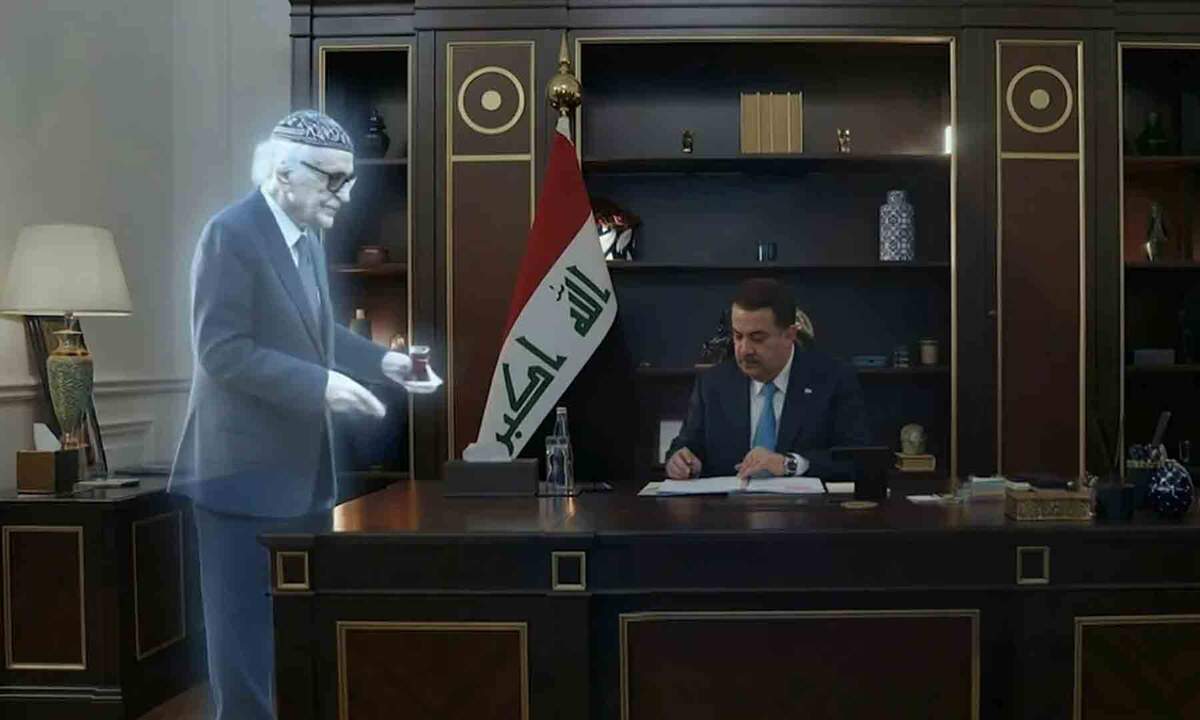
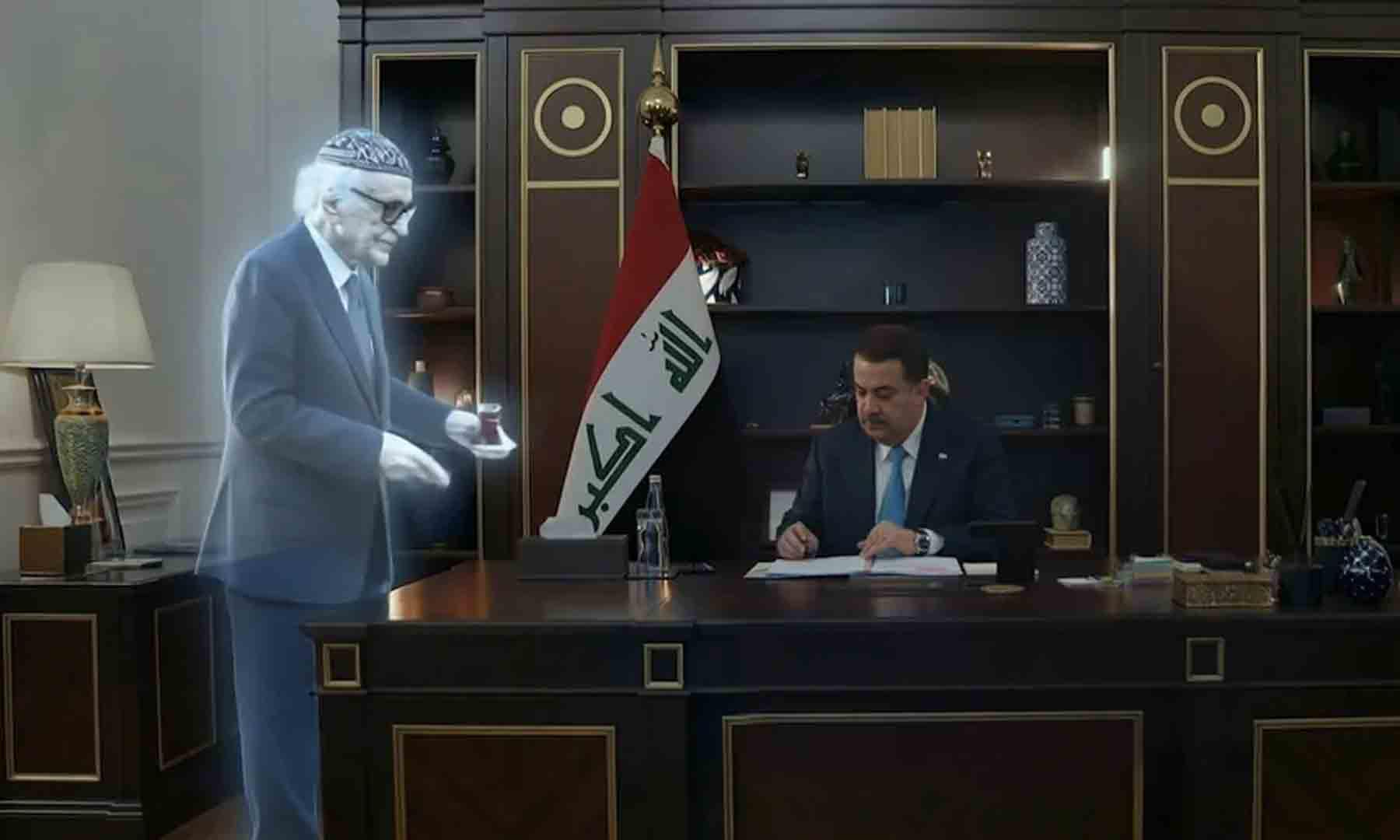
BAGHDAD – A marketing campaign for a tea brand has ignited a storm of anger across Iraq after it used artificial intelligence to recreate two of the country’s most revered historical figures, the celebrated poet Muhammad Mahdi al-Jawahiri and former prime minister Nuri al-Said, depicting them serving tea to current Prime Minister Mohammed Shiaa Sudani and former parliamentary speaker Mohammed al-Halbousi.
Many Iraqis condemned the advert as a profound insult to national symbols, arguing that placing such figures in a commercial setting trivialised their legacy and reduced them to marketing tools.
The campaign relied on AI technology to digitally reconstruct Jawahiri, one of the most prominent Arab poets of the 20th century, whose name is synonymous with national dignity and political protest. It also revived Said, Iraq’s first prime minister under the monarchy and a central architect of the Iraqi state and army.
For critics, seeing these figures interact with contemporary politicians in a commercial context crossed a line. What may have been intended as creative symbolism was widely perceived as inappropriate exploitation of shared national heritage.
To many Iraqis, Jawahiri is far more than a literary figure. He represents a voice of defiance and patriotism, a poet whose verses documented Iraq’s modern transformations and confronted successive political authorities. Incorporating him into a tea advert, critics argued, stripped his image of its cultural and political weight.
Public anger quickly spread across social media, where users described the campaign as disrespectful and emotionally hurtful.
Sudani himself rejected the video’s content, expressing disapproval of what he described as an affront to Jawahiri’s literary and national stature. In a statement issued on Wednesday via the Prime Minister’s media office, he instructed the Communications and Media Commission to conduct an urgent investigation into the parties responsible for producing, promoting or distributing the advertisement, citing its “insult to cultural symbols and state institutions”.
The statement added that artificial intelligence had been used irresponsibly and in violation of professional and media standards. Sudani also affirmed that he reserved the legal right to pursue action against those responsible for producing what he described as an offensive video against Iraq and its national symbols.
Although the advert was commercial in nature, the juxtaposition of historic figures alongside a sitting prime minister and a prominent political leader led some viewers to interpret it as implying political endorsement.
The controversy also raised legal and ethical questions regarding intellectual property rights, the rights of heirs, and the broader moral implications of using AI to resurrect deceased figures in contexts they never chose.
For some observers, transforming towering literary and political personalities into branding devices amounted to what they called the “commodification of national memory.”
In response to the backlash, the company behind the campaign, Bana Marketing, defended the advert as an artistic endeavour intended to connect heritage with contemporary life. In an official statement, it said: “The appearance of Jawahiri in the advertisement was not a literal embodiment of his historical character, but rather a symbolic representation of Iraq’s cultural spirit. The character was presented in a symbolic format expressing the moral continuity of Iraqi identity across time.”
The company added: “The scene of serving tea was a symbolic element reflecting the transmission of cultural and national legacy from past to present, in an image expressing continuity and intergenerational connection. Tea in Iraqi culture is not merely a daily drink, but a symbol of warmth, familiarity and generosity, and a social marker that brings Iraqis together regardless of their affiliations.”
It concluded: “Artistic work by nature relies on symbolism and suggestion, and is not intended to be read literally or politically.”
Yet this defence appeared only to deepen public anger, with many accusing the company of failing to grasp the sensitivity of the issue and of exploiting revered national figures for commercial gain in a manner they deemed inappropriate.
The episode underscores the profound emotional attachment Iraqis maintain to their historical icons and highlights the need for caution when deploying such figures in political or commercial narratives. In Iraq’s collective consciousness, culture is not a consumable product but a core component of national identity and memory.
The incident also raises a broader question facing societies worldwide: how far can historical personalities be used in advertising without diminishing their symbolic value?
Muhammad Mahdi Al-Jawahiri (1899–1997), widely known as the “Greatest Arab Poet”, was born in Najaf and left an immense poetic and cultural legacy. He held several cultural and journalistic posts, was elected head of the Iraqi Writers’ Union, and received numerous Arab and international honours. He died in Damascus in 1997. Among his most celebrated works are “O Tigris of Goodness” and “Do You Know or Do You Not Know?.” His bold political poetry frequently placed him in confrontation with ruling authorities.
Nuri Pasha Al-Said (1888–1958) served as prime minister of the Iraqi Kingdom 14 times between 1930 and 1958. A deeply controversial political figure, he played a key role in founding the Iraqi state and army after the collapse of the Ottoman Empire. Born in Baghdad, he graduated from the Ottoman Military Academy in Istanbul, served in the Ottoman army, participated in the Arab Revolt, and later joined Prince Faisal in Syria before returning to Iraq following the French dismantling of Faisal’s Syrian kingdom. He was twice forced to flee Iraq amid political upheaval.
Together, their legacies occupy complex and powerful positions in Iraq’s historical narrative – making their digital resurrection for commercial purposes a step many Iraqis were unwilling to accept.