

No return to Australia
Australia refuses to repatriate IS-linked citizens from Syria
The Australian government’s reluctance is mainly due to the security challenge posed by the adults among the detainees.
Tuesday 17/02/2026
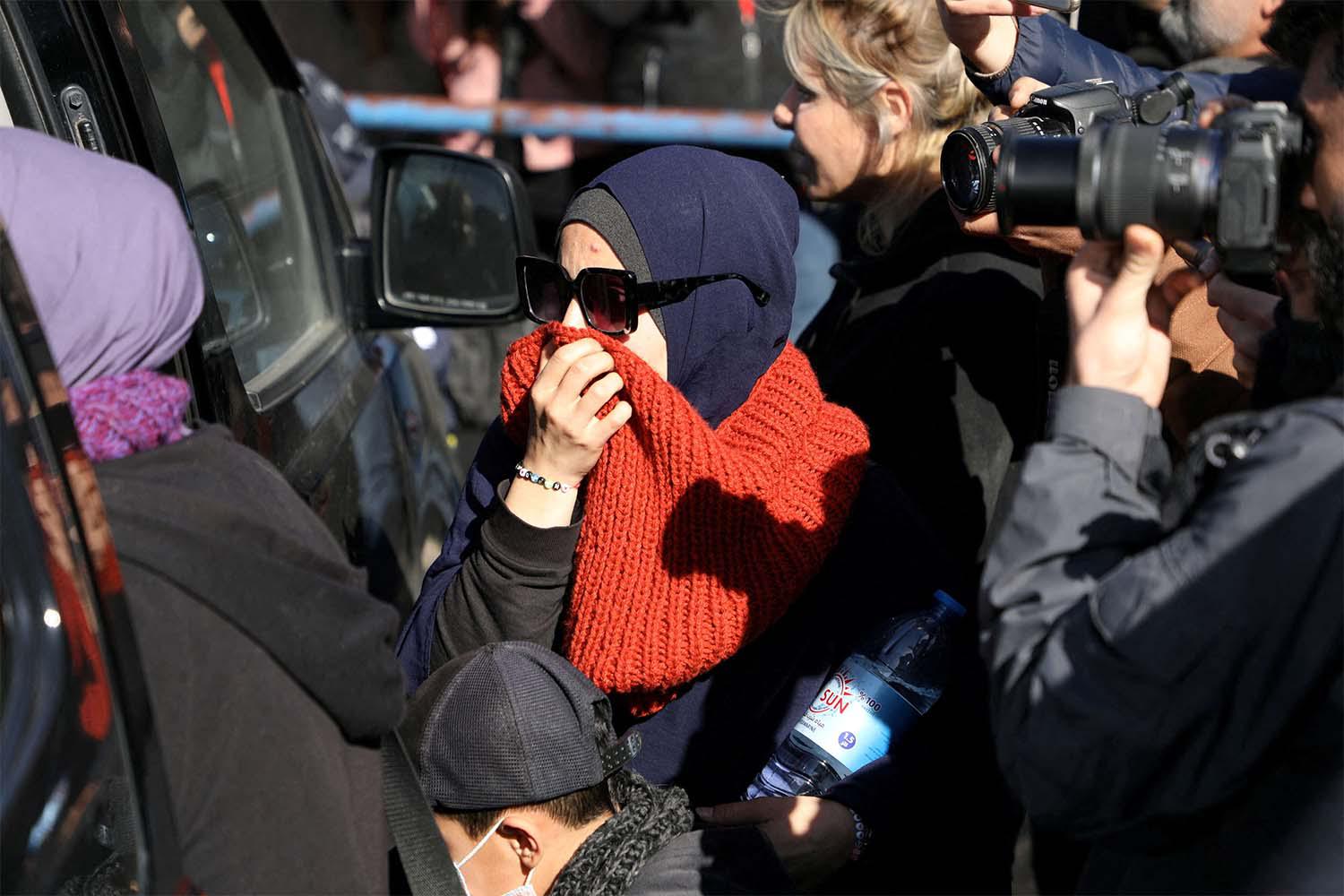
No return to Australia
CANBERRA — The Australian government has effectively stalled efforts to repatriate remaining citizens detained in northeast Syria for their links to the Islamic State (ISIS), creating a tense standoff that pits national security concerns against urgent humanitarian obligations.
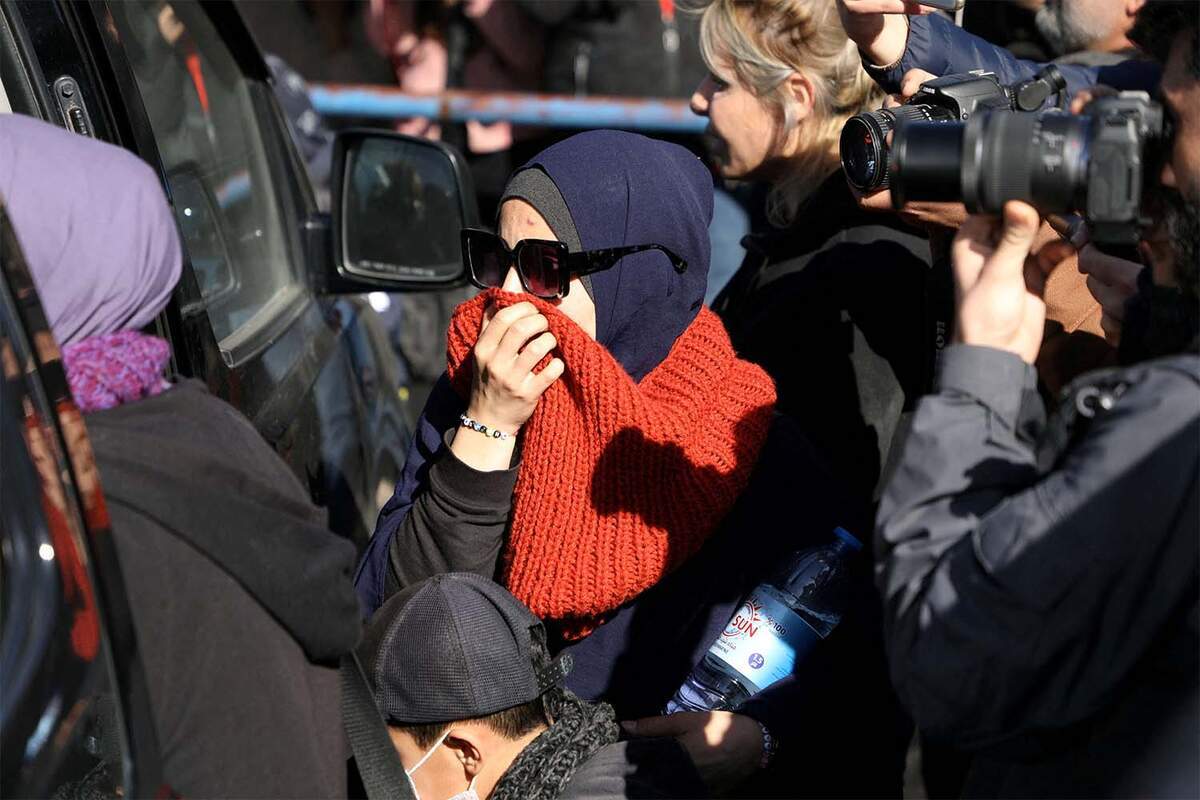
Dozens of Australian women and children remain languishing in squalid Kurdish-run detention camps, years after the territorial defeat of the caliphate. While Canberra asserts that it assesses each case individually, the practical reality on the ground is a frozen policy, leaving these citizens in a dangerous limbo as the government prioritizes domestic safety over repatriation.
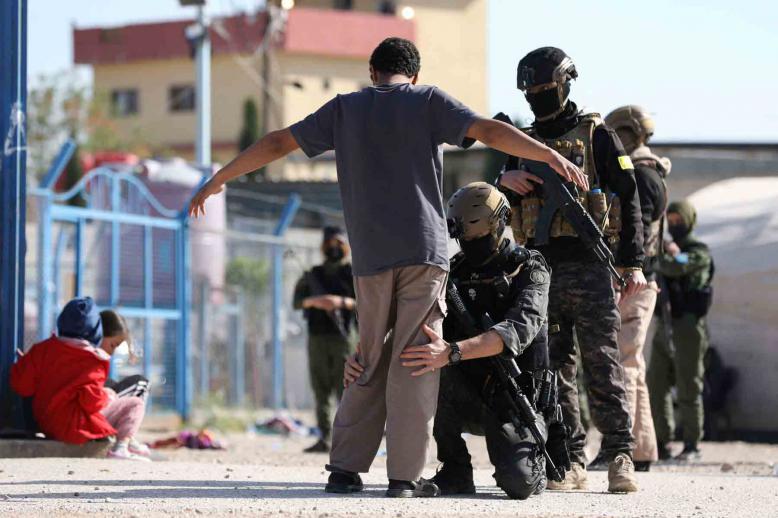
Approximately 40 Australian citizens—roughly a dozen women and their 30 children—are currently held in the sprawling Al-Hol and Roj camps. These facilities, described by the United Nations as breeding grounds for violence and radicalization, hold thousands of families of former ISIS fighters from around the world.
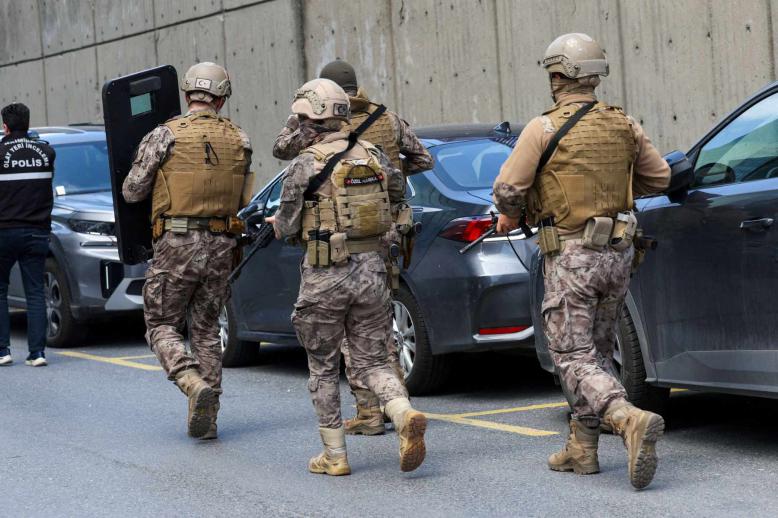
The Australian government’s current stance is characterized by extreme caution. Government officials have repeatedly stated that they will not send officials into harm's way to extract citizens from the volatile region unless the risk is deemed manageable.
Central to Canberra’s reluctance is the security challenge posed by the adults among the detainees. Security agencies, including the Australian Security Intelligence Organisation (ASIO), are tasked with assessing whether these women, some of whom traveled willingly to join ISIS, pose a threat if returned to Australian soil.
The government faces a significant legal hurdle: proving criminal conduct committed years ago in a chaotic foreign war zone is notoriously difficult. There are fears that repatriated adults might walk free in Australia due to a lack of admissible evidence, a scenario that carries immense political risk for the ruling Labour government.
Home Affairs Minister Clare O’Neil has previously emphasized that the government’s "most important duty is to keep Australians safe," signalling that the potential risk of return currently outweighs the imperative to repatriate.
The humanitarian outcry
This security-first approach has drawn sharp condemnation from human rights organizations, the United Nations, and the families of those detained. They argue that leaving citizens—particularly young children who had no say in their parents' decisions—in such abysmal conditions is a dereliction of duty and a violation of international rights obligations.
The conditions in the camps are dire. Inmates face severe malnutrition, lack of medical care, and a constant threat of violence from hardcore ISIS loyalists within the camps who enforce brutal codes of conduct.
Advocates argue that Australia is outsourcing its responsibility. They contend that if the women committed crimes, they should face the Australian justice system, and that the children are innocent victims being collectively punished.
Furthermore, security experts have offered a counter-argument to the government's position: leaving children to grow up in the highly radicalized environment of Al-Hol creates a greater long-term threat—a "ticking time bomb"—than managing their reintegration in Australia under surveillance.
International isolation
Australia’s reluctance places it increasingly at odds with its closest allies. The United States has aggressively repatriated its own citizens and has continuously pressured other nations to do the same, arguing that the Kurdish-led Syrian Democratic Forces (SDF) cannot be expected to act as indefinite jailers for the world’s extremists.
Other Western nations initially resistant to repatriation, including France, Germany, and Canada, have carried out significant extraction missions in the past two years, developing frameworks to prosecute adults and rehabilitate children.
Australia did undertake one significant, highly complex repatriation mission in October 2022, bringing home four women and 13 children. That operation sparked intense domestic political debate, with the conservative opposition accusing the government of importing terrorists. Since that mission, efforts have largely ground to a halt.