

A message of readiness
Badr 2026 sparks Israeli unease as Egypt showcases combat readiness
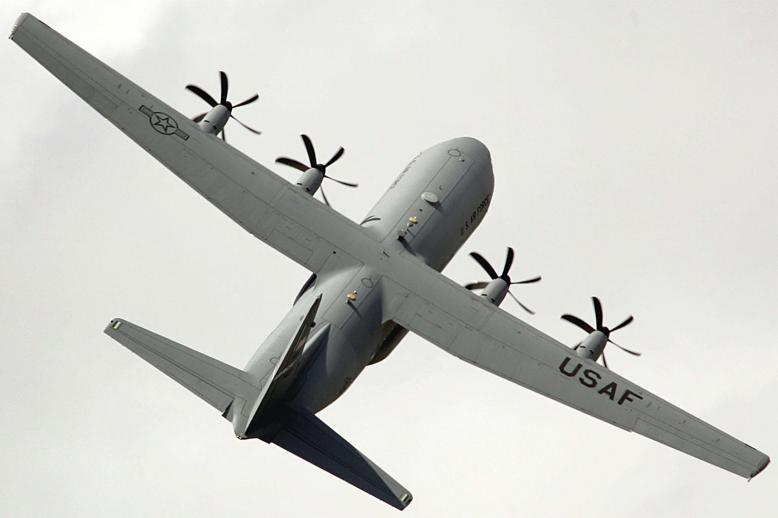
According to the military, Badr 2026 simulated integrated offensive operations, with air force units conducting reconnaissance and protection sorties in support of ground forces.
Thursday 30/04/2026
A message of readiness
CAIRO – Egypt’s military on Wednesday revealed details of a large-scale live-fire exercise dubbed Badr 2026, carried out by units of the Third Field Army, in a move that comes amid heightened scrutiny and concern in Israel over Egyptian military activity in the Sinai region.
In a statement, the armed forces said Defence Minister Ashraf Salem Zaher attended the main phase of the tactical exercise, which involved live ammunition and complex combat scenarios designed to test operational readiness.
The Third Field Army, headquartered in the Suez Canal city of Suez and responsible for a vast area stretching to the Sinai Peninsula, conducted the drills at an undisclosed location, in line with standard military practice.
The exercise also drew senior officials including Chief of Staff Ahmed Fathy Khalifa, top commanders, regional governors, members of parliament, military students and media representatives.
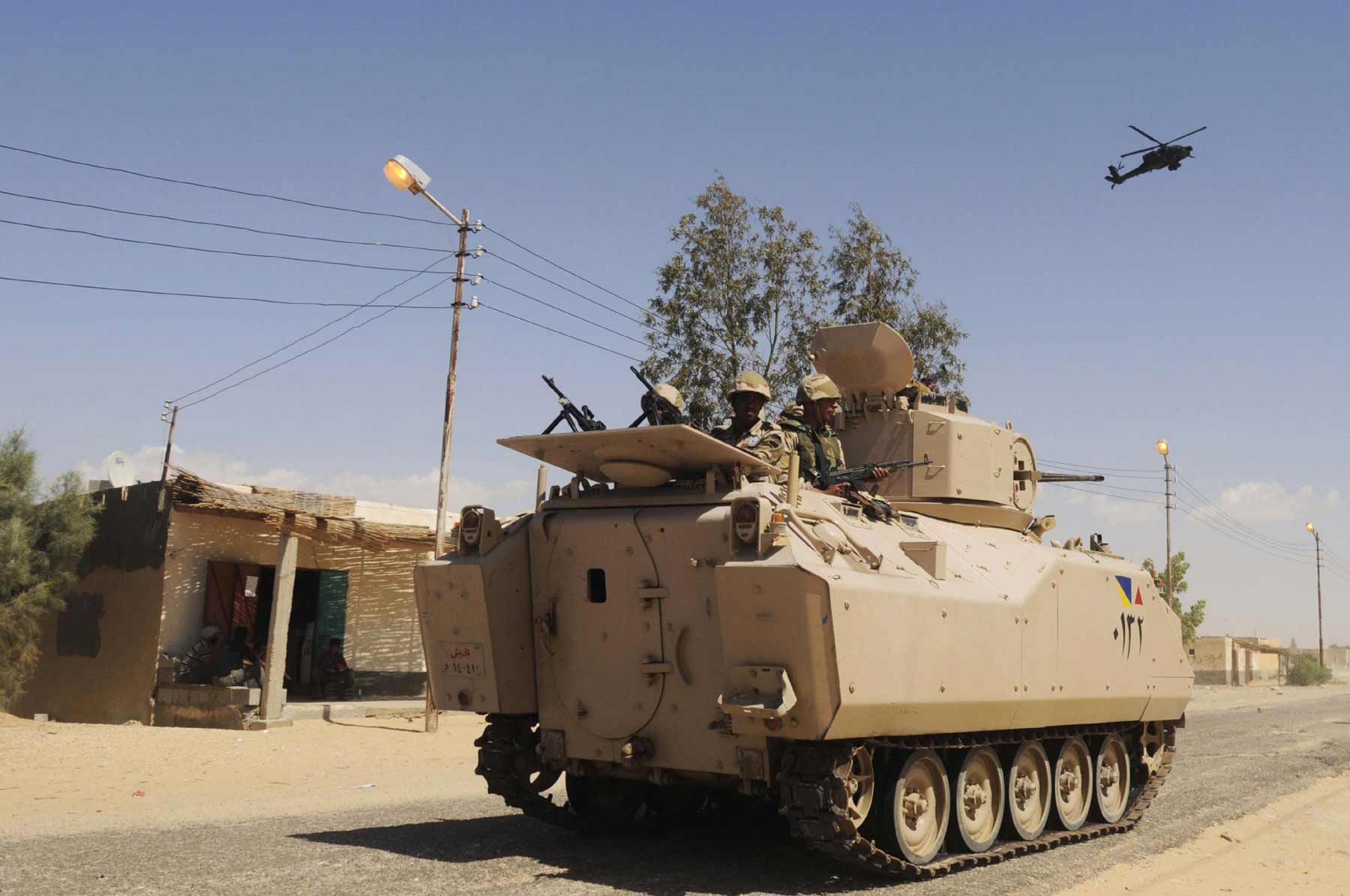
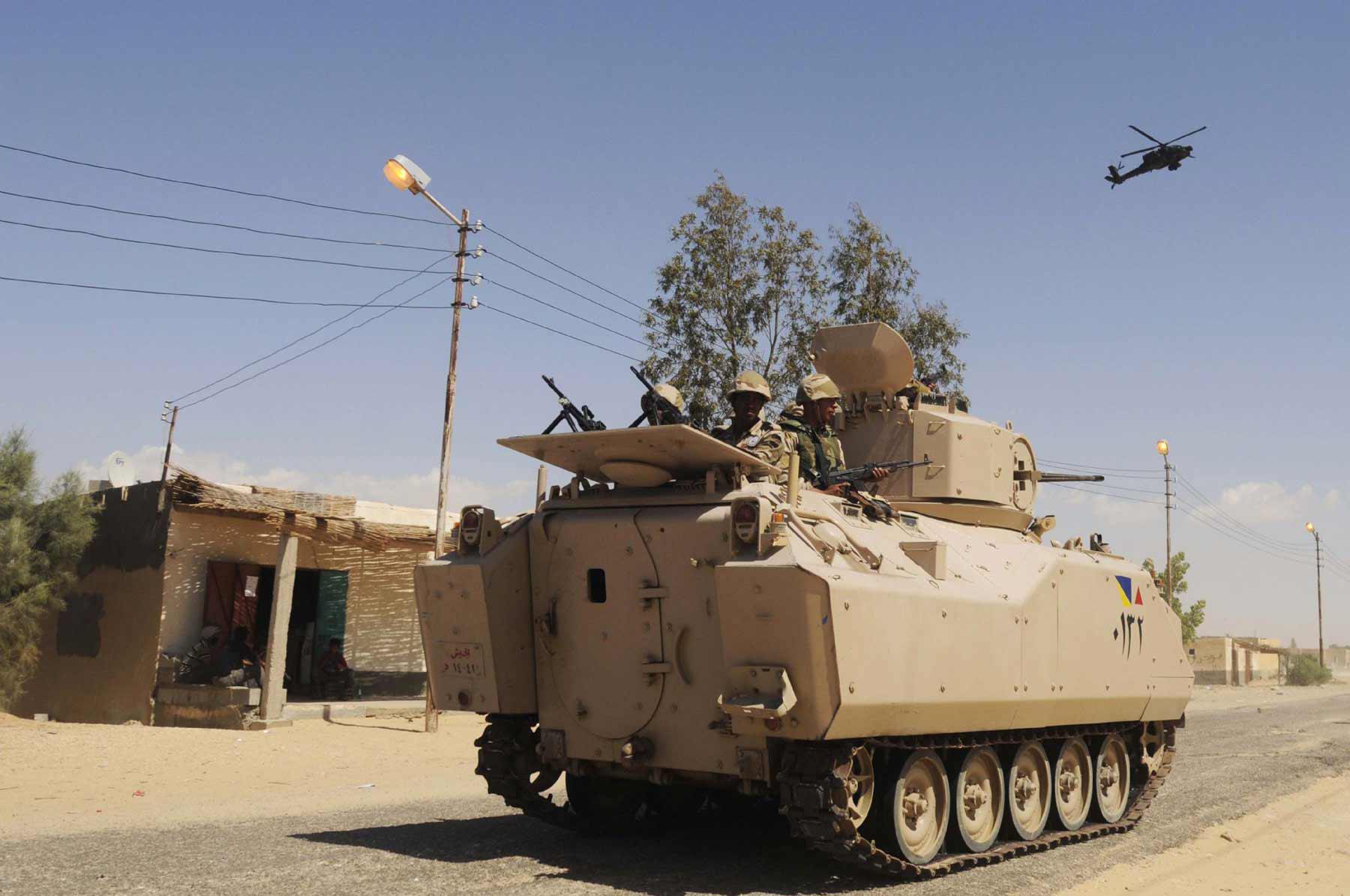
According to the military, Badr 2026 simulated integrated offensive operations, with air force units conducting reconnaissance and protection sorties in support of ground forces. Artillery and air defence systems were deployed to neutralise simulated enemy positions, while armoured and mechanised units advanced to breach defensive lines.
Special forces, including paratroopers and Sa’ka commandos, carried out airborne landings and raid missions targeting key objectives, reflecting what the army described as a high level of coordination across combat branches.
Commander of the Third Field Army Major General Ahmed Mahdy Sarhan said participating forces were committed to maintaining “the highest levels of efficiency and combat readiness” to fulfil all missions assigned to them in defence of national security.
Addressing troops, Zaher stressed that the armed forces possess the capabilities to safeguard Egypt’s sovereignty “in light of the challenges and changes facing the region”. He praised the precision and professionalism demonstrated during the drills, describing them as evidence of sustained preparedness across all strategic fronts.
He added that the exercise sends a “reassuring message” to the Egyptian public regarding the military’s ability to protect national security, as the country continues to modernise its defence systems and training programmes.
The announcement follows a wave of concern in Israeli political and media circles earlier this week over reports of Egyptian military drills near the border with Gaza.
Israeli lawmaker Amit Halevi of Prime Minister Benjamin Netanyahu’s Likud party warned that such exercises, allegedly conducted close to border communities, reflected a “broader and more worrying picture.” He accused Egypt of systematically violating the decades-old peace treaty between the two countries by expanding its military infrastructure in Sinai—claims Cairo has not formally addressed.
Israeli media outlets had reported that live-fire drills were taking place within close proximity to the border, prompting alerts to nearby Israeli settlements. A non-governmental Israeli forum also expressed concern over the reported activities.
However, Egyptian military experts dismissed those claims, stressing that the exercise is part of routine annual training and was not conducted near the border as suggested. Retired Major General Samir Farag described the Israeli reaction as “propaganda” linked to domestic political considerations ahead of upcoming elections.
Egypt and Israel signed a historic peace treaty in 1979 following the Camp David Accords, ending decades of conflict and establishing security arrangements that include limits on military deployments in Sinai.
Since the outbreak of the Gaza war in October 2023, relations between Cairo and Tel Aviv have experienced periodic strain, with Israeli media frequently highlighting Egyptian military movements in Sinai.
Despite the tensions, Egyptian officials continue to frame exercises such as “Badr 2026” as part of standard defence preparedness, aimed at ensuring the country’s ability to respond to evolving regional threats.
The latest drills underscore Cairo’s effort to balance strategic readiness with its longstanding peace commitments, at a time when regional instability continues to test established security arrangements.