


Decisive effort to reinforce stability at home
Bahrain hardens security posture in wake of Iran conflict
King Hamad bin Isa Al Khalifa directed the immediate launch of legal action against anyone found to have “betrayed the nation” or undermined the kingdom’s security
Monday 20/04/2026
Decisive effort to reinforce stability at home
MANAMA – Bahrain has ordered a sweeping set of security and legal measures, including a review of citizenship cases, as it moves to contain the domestic fallout from Iranian attacks and the wider regional war, in what officials describe as a decisive effort to reinforce stability at home.
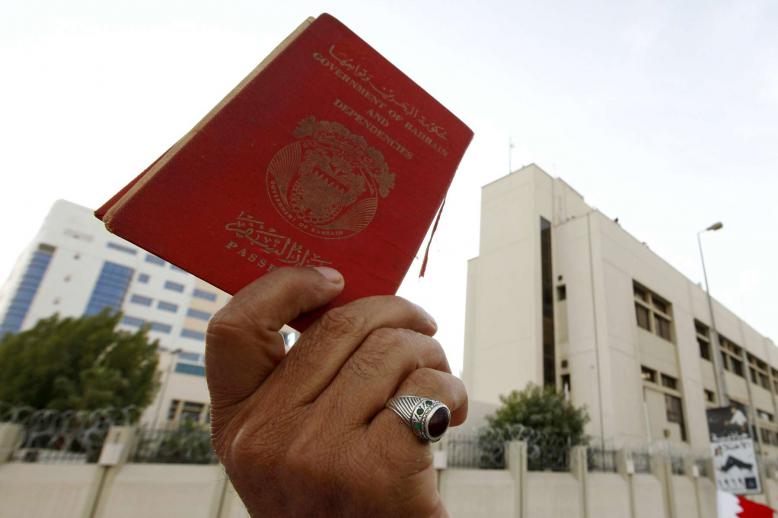
King Hamad bin Isa Al Khalifa directed the immediate launch of legal action against anyone found to have “betrayed the nation” or undermined the kingdom’s security, according to the state news agency. The measures include reassessing entitlement to Bahraini citizenship, signalling a tougher stance against individuals accused of links to hostile activities.
The directives were issued during a meeting with senior officials in Manama, where discussions focused on the repercussions of what authorities described as Iranian attacks on the country and the broader impact of the ongoing conflict involving the United States, Israel and Iran.
The king said Bahrain would act “with full determination” to address the consequences of the war, stressing that national security remains paramount. He also tasked Crown Prince and Prime Minister Salman bin Hamad Al Khalifa with overseeing a new phase of action, including comprehensive programmes to address gaps in both defence readiness and the economy.
The moves come as Bahraini authorities step up investigations into suspected security threats. The Public Prosecution said it had questioned a number of individuals in March and April on suspicion of espionage for Tehran, while officials have in recent weeks announced arrests linked to alleged networks connected to Iran’s Islamic Revolutionary Guard Corps and Hezbollah.
Authorities say some suspects were involved in monitoring sensitive sites, gathering intelligence and facilitating communications with operatives abroad, as well as raising funds that were allegedly channelled into activities threatening state security.
Bahrain’s leadership has framed the measures as part of a broader strategy to strengthen the domestic front at a time of heightened regional volatility. Officials say the approach combines security enforcement with efforts to improve government performance and economic resilience.
The Bahrain Defence Force said earlier on Sunday it had intercepted and destroyed 194 missiles and 523 drones targeting the kingdom between February 28 and April 8, underlining the scale of the threat faced during the conflict.
That period coincided with a war launched by the United States and Israel against Iran, which has killed thousands and triggered retaliatory strikes by Tehran across the region. Some of those attacks hit civilian and energy infrastructure, contributing to wider instability.
Although a temporary ceasefire brokered in Islamabad has reduced immediate tensions, uncertainty remains over whether a lasting agreement can be reached. Negotiations are expected to resume, with Washington signalling it will present a new proposal to Tehran, while warning of further military escalation if talks fail.
Against this backdrop, Bahrain’s leadership has emphasised both firmness and restraint, pledging to safeguard national stability through decisive internal measures while continuing to support diplomatic solutions to regional crises.
For many observers, the latest directives mark a significant moment in Bahrain’s response to the conflict, reflecting both the immediate security pressures and the longer-term challenge of navigating an increasingly volatile geopolitical environment.