

Cooper: Every shipment of weapons prolongs the suffering of the Sudanese people
British FM denies UAE sent UK weapons to Sudan's RSF
Cooper says claims that the United Arab Emirates sent UK weapons to the Rapid Support Forces are unfounded.
Monday 16/02/2026
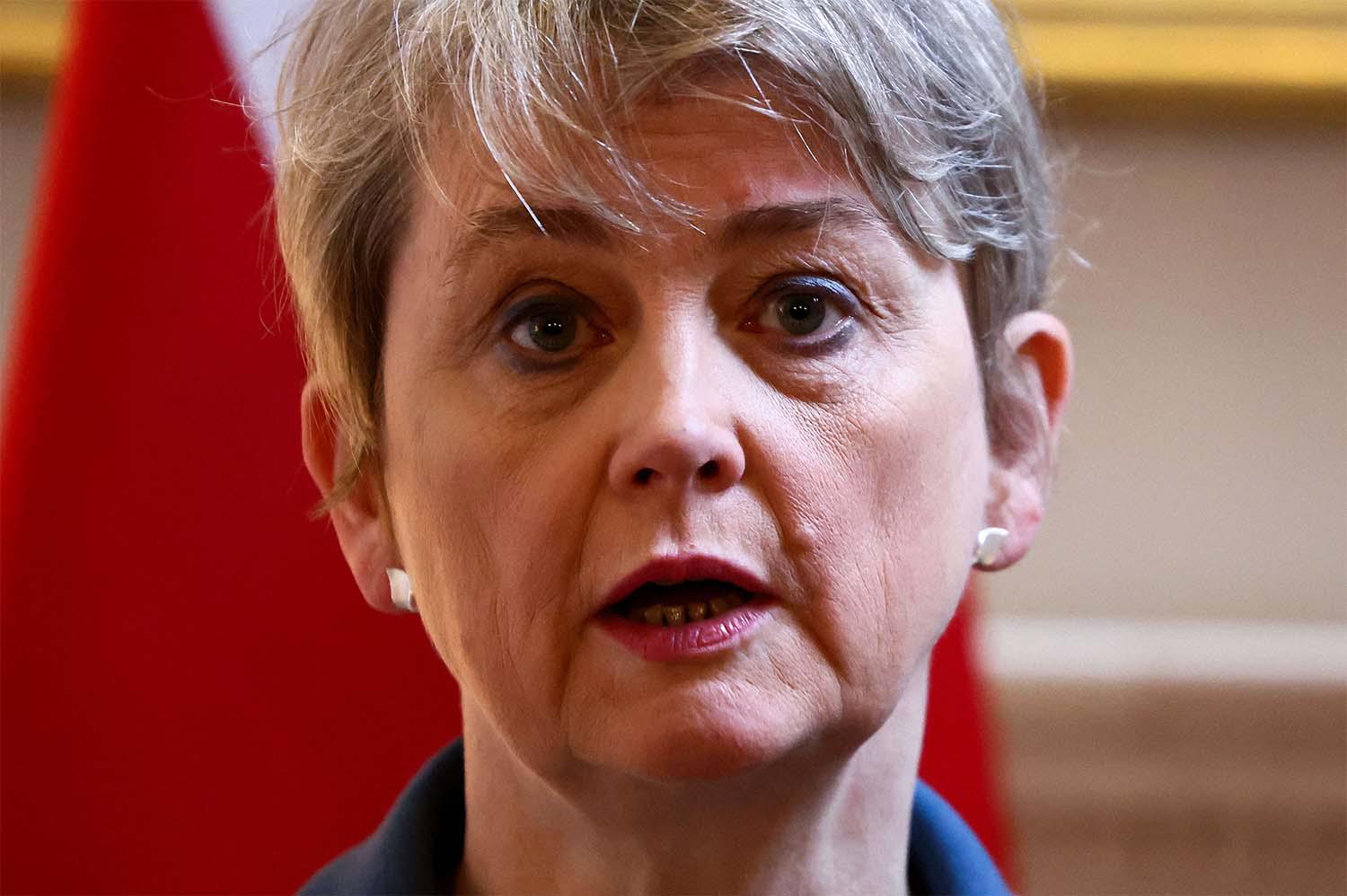
Cooper: Every shipment of weapons prolongs the suffering of the Sudanese people
LONDON — Top diplomats from the United Kingdom and the United States have issued at the Munich Security Conference a stern rebuke of international actors fueling the conflict in Sudan, revealing that a staggering number of foreign nations are actively supplying weapons to the warring factions.
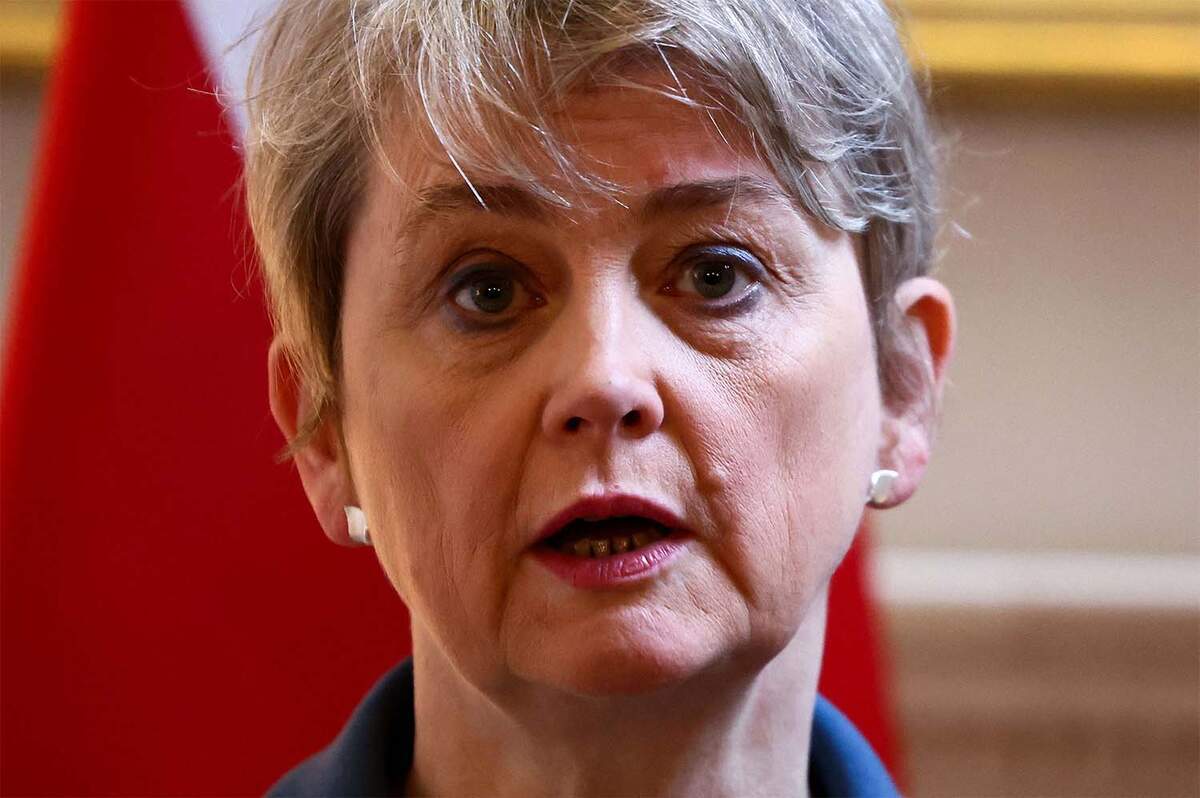
UK Foreign Secretary Yvette Cooper disclosed on Saturday that "more than a dozen countries" are currently involved in funneling arms into the Sudan conflict, transforming a power struggle between two generals into a complex, multi-front proxy war.
“Our assessment is there's probably more than a dozen countries that are in some way involved in arms flows, maybe through funding, maybe through manufacture, maybe through transit, maybe through training in different ways,” said Cooper.
“Those two military sides think there is a military solution when there isn't because they can still get access to arms flows. I think we need the same kind of energy, focus and spotlight on Sudan that we had on Gaza through the summer and in the buildup to the ceasefire in Gaza last year,” she added.
Cooper’s assessment highlights the internationalization of the civil war between the Sudanese Armed Forces (SAF) and the paramilitary Rapid Support Forces (RSF). While she did not explicitly name the nations involved, her comments underscore the failure of the existing UN arms embargo, which is technically limited to the Darfur region but has done little to stem the flow of advanced weaponry into Khartoum and other battlegrounds.
"Every shipment of weapons prolongs the suffering of the Sudanese people," she said.
Cooper said claims that the UAE sent UK weapons to the RSF were "unfounded".
"When there were any allegations made, I insisted that all the licenses were reviewed and 2,000 licenses were reviewed to ensure that there was no leakage, to ensure that ... any of those licenses was reaching Sudan and to make sure that the allegations that had been made were unfounded."
US Envoy: Support is "Counterproductive"
Cooper’s concerns about Sudan were echoed by Massad Boulos, the US Envoy to Africa, who emphasized that the external meddling is bipartisan—benefiting both the SAF, led by General Abdel Fattah al-Burhan, and the RSF, led by Mohamed Hamdan Dagalo (Hemedti).
Boulos described the external support as "counterproductive," warning that foreign actors are prioritizing their own geopolitical interests over the stability of the region.
"Both sides are receiving support that is fueling the fire," Boulos remarked. "You cannot claim to support peace in Sudan while simultaneously sending the munitions that destroy its cities."
The statements from Cooper and Boulos reflect a growing frustration in Western capitals. Peace talks, such as those in Jeddah and Geneva, have repeatedly stalled, in part because neither side feels compelled to negotiate while their supply lines remain open.
Analysts point out that Sudan has become a battleground for competing interests, with regional powers seeking influence over the Red Sea coast and the Horn of Africa.
The joint condemnation signals a potential shift in diplomatic strategy. By publicly calling out the sheer volume of external interference, the UK and US may be laying the groundwork for a broader, country-wide arms embargo or targeted sanctions against the specific foreign entities facilitating the trade.