


Under pressure
Deadlock grips Iraq as Shiite alliance fails to agree on prime minister
The dispute extends beyond personalities to include bargaining over portfolios and sovereign posts, with some factions linking their support to the size of their share in the next government.
Thursday 23/04/2026
Under pressure
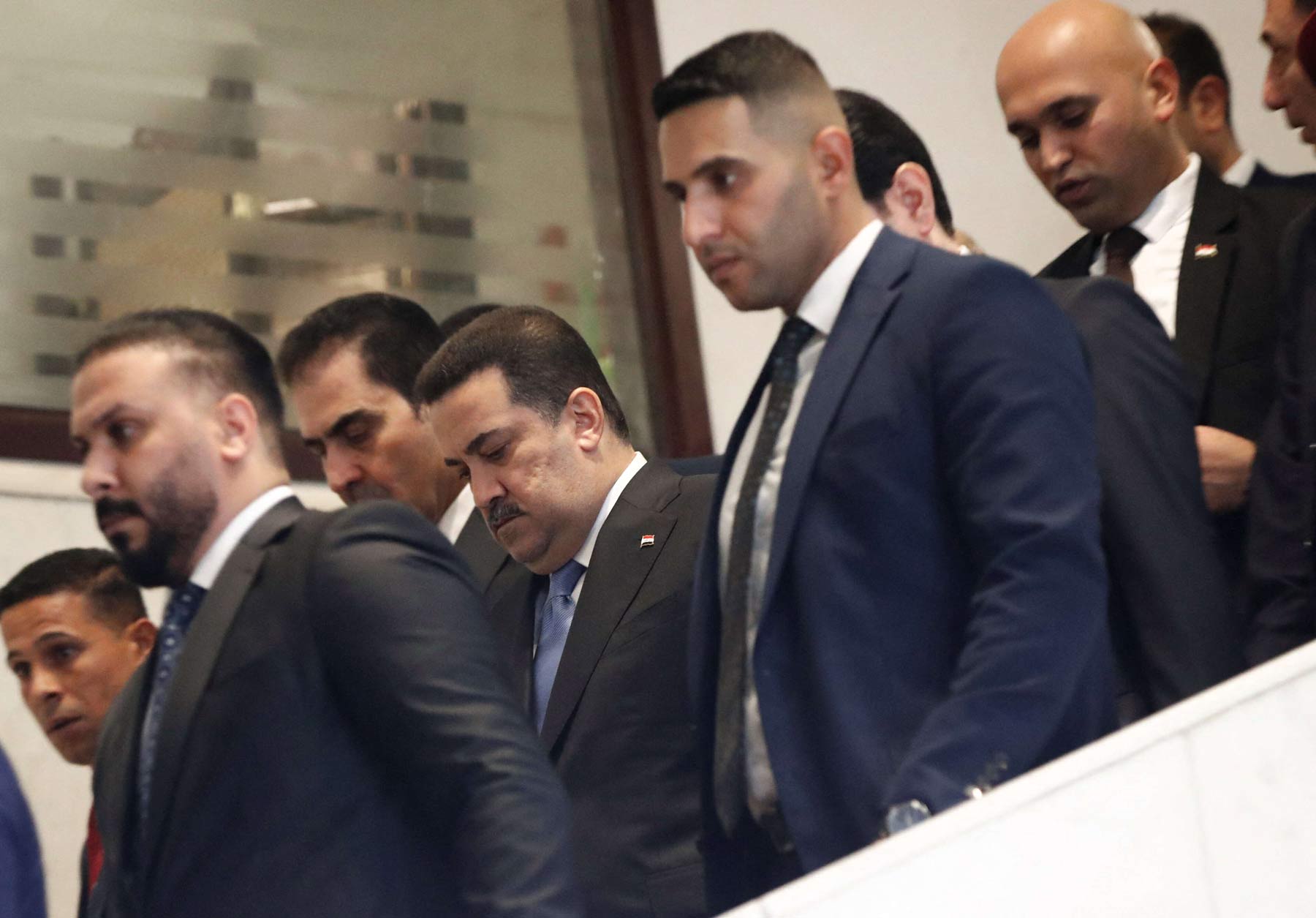
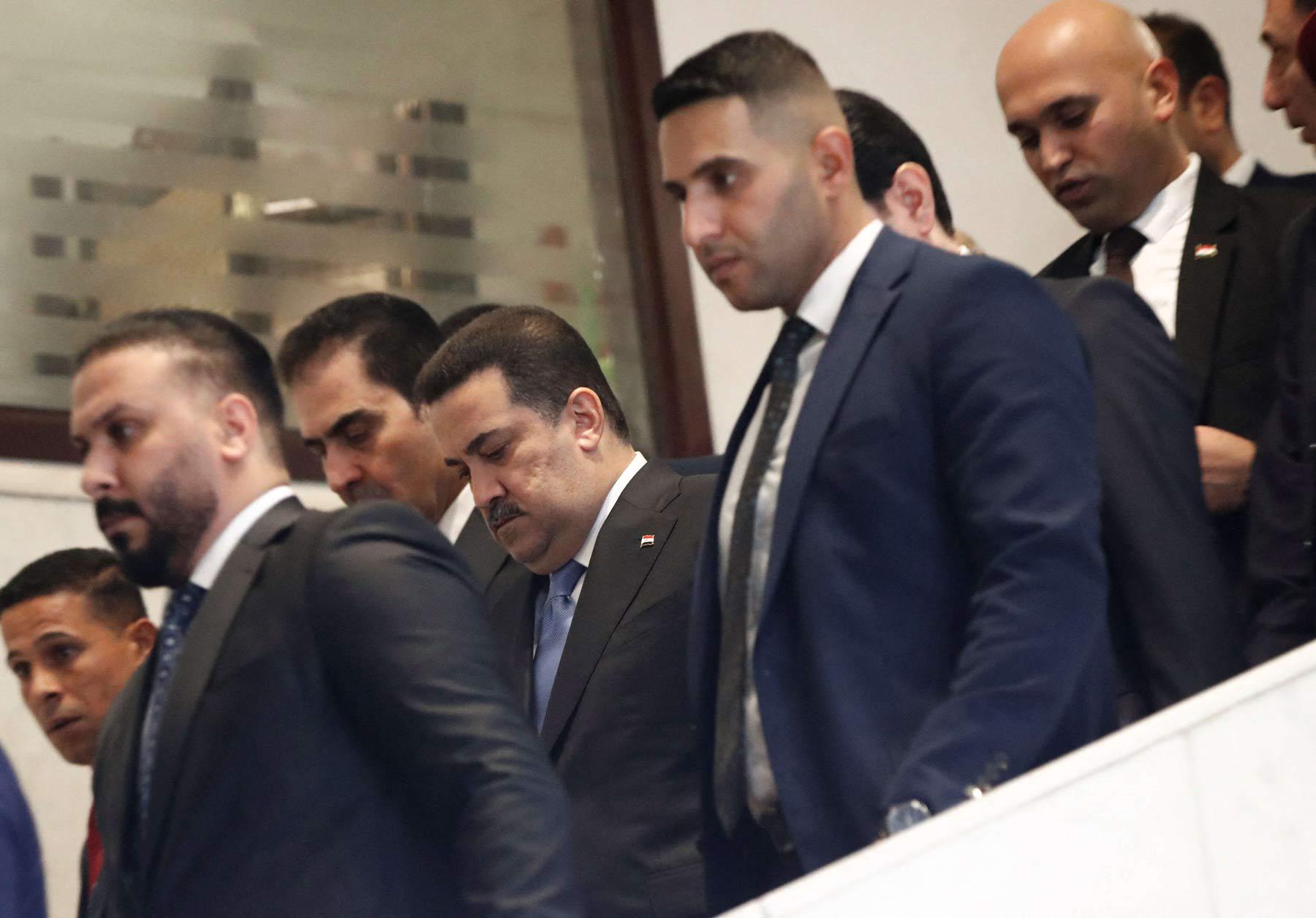
BAGHDAD – Iraq’s powerful Shiite Coordination Framework has postponed a meeting to decide on a new prime minister, exposing deepening divisions within the ruling alliance as it struggles to agree on a successor to caretaker premier Mohammed Shiaa al-Sudani.
The bloc, which acts as the main political umbrella for Iraq’s governing Shiite forces, said late on Wednesday that it had delayed the meeting until Friday to allow “more space for dialogue” and to reach a decision within the constitutional timeframe, according to a brief statement carried by the Iraqi News Agency.
The delay reflects mounting disagreements among the alliance’s factions, which have failed to reach consensus during a series of meetings over recent days, including sessions on Saturday and Monday that ended without a breakthrough.
At the heart of the crisis lies a struggle over both the choice of candidate and the mechanism for selecting one. According to political sources, the bloc remains divided between two approaches: one based on the “electoral weight” of its constituent parties, and another favouring a consensus candidate acceptable to all factions.
Two main contenders have emerged from within the alliance, each commanding nearly equal support, resulting in a deadlock. Sudani has reportedly backed Ihsan al-Awadi, while the State of Law coalition led by former prime minister Nouri al-Maliki has put forward Bassem al-Badri. So far, neither candidate has secured sufficient backing, fuelling speculation that a third compromise figure may ultimately be chosen.
Tensions have been further heightened by internal dissent. A source told local media that around 30 lawmakers from the Reconstruction and Development bloc threatened to withdraw if al-Awadi is nominated, highlighting fractures even within camps nominally aligned with Sudani.
The dispute extends beyond personalities to include bargaining over ministerial portfolios and sovereign posts, with some factions linking their support for any nominee to the size of their share in the next government. This has complicated negotiations and delayed agreement at a time of increasing political pressure.
Observers say the alliance’s failure to agree reflects broader fragility within Iraq’s Shiite political camp, where competing interests and rival power centres continue to shape decision-making.
The deadlock comes as constitutional deadlines loom. Following the election of President Nizar Amidi on April 11, Iraq’s constitution requires the head of state to task the largest parliamentary bloc with forming a government within 15 days. That deadline, set to expire on April 26, has intensified pressure on the Coordination Framework to resolve its differences quickly.
The bloc, which includes major Shiite forces such as those led by Nouri al-Maliki and Haider al-Abadi, plays a decisive role in naming the prime minister and shaping the government.
External factors have also weighed on the process. The nomination of Maliki earlier this year reportedly faced opposition from US President Donald Trump, adding another layer of complexity to an already fraught political landscape.
With time running out, officials warn that continued delays risk undermining political stability and eroding public confidence. Possible scenarios now range from a last-minute agreement to the emergence of a compromise candidate, or even further postponement if divisions persist.
As negotiations continue, the crisis highlights the widening gap between electoral arithmetic and the demands of political consensus, leaving Iraq once again on the brink of prolonged political uncertainty.