

A narrowing margin for neutrality as the crisis deepens
Egypt, Jordan back Arab action against Iran as Sisi pledges support
Abdelatty’s visit to Jordan forms part of a wider regional tour that has included Qatar, the United Arab Emirates and Oman, and is set to conclude in Saudi Arabia.
Tuesday 17/03/2026
A narrowing margin for neutrality as the crisis deepens
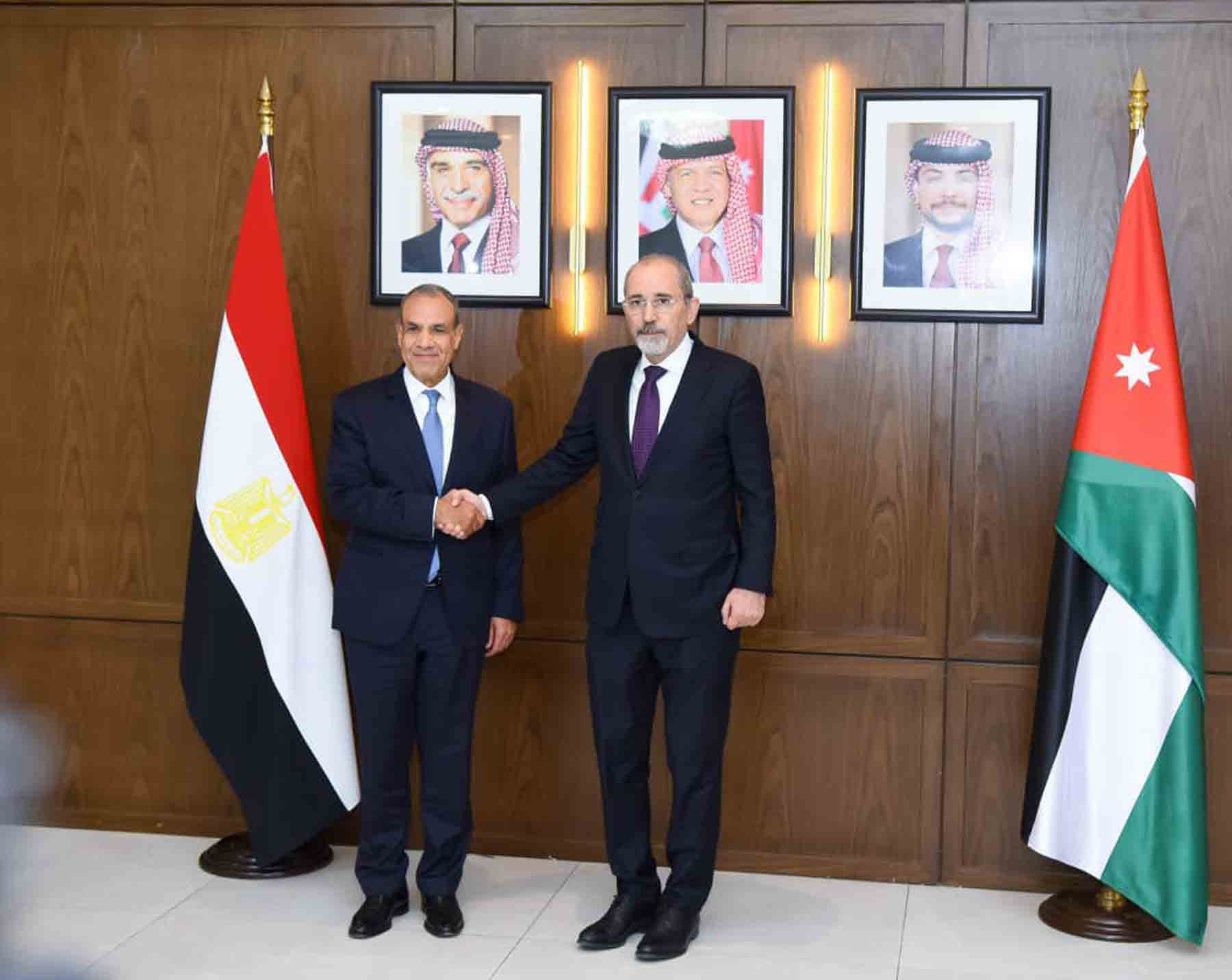
AMMAN / CAIRO – Egypt’s Foreign Minister Badr Abdelatty and his Jordanian counterpart Ayman Safadi voiced on Monday full support for any steps taken by Arab states to confront what they described as “Iranian aggression,” signalling a potentially firmer regional stance as Egypt stepped up diplomatic and political backing for its allies amid deepening tensions.
The remarks came after talks in the Jordanian capital, where the two ministers stressed the need for intensified coordination in the face of a rapidly deteriorating regional landscape shaped by escalating confrontation between Iran and a US-Israeli military campaign.
Abdelatty’s visit to Jordan forms part of a wider regional tour that has included Qatar, the United Arab Emirates and Oman, and is set to conclude in Saudi Arabia, as Cairo seeks to galvanise a more unified Arab response to mounting security threats.
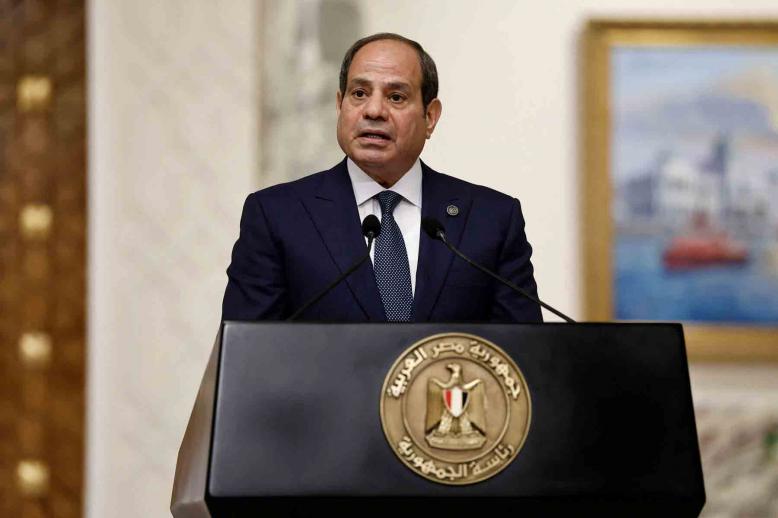
Their meeting coincided with a parallel show of support from Abdel Fattah al-Sisi, who said Egypt was prepared to provide “all forms of support” to Gulf states and Jordan following Iranian strikes, warning that regional stability was an “extension” of Egypt’s own national security.
In calls with Qatar’s emir Tamim bin Hamad Al Thani, UAE President Mohamed bin Zayed Al Nahyan and Abdullah II, Sisi expressed “categorical rejection” of the attacks and affirmed Cairo’s full solidarity with its regional partners, underscoring what he described as a “common destiny” binding Arab states.
Rising pressure, cautious restraint
Tehran has launched missile and drone attacks it says are aimed at US targets across the region, but strikes have also hit civilian and energy infrastructure in several Arab countries, causing casualties and fuelling fears of a wider conflict.
Despite growing anger, targeted Arab states have so far opted for restraint, wary that direct military retaliation could trigger a broader and potentially uncontrollable war. Yet diplomats say that position may become increasingly difficult to maintain if hostilities persist or intensify.
Safadi and Abdelatty reaffirmed “full solidarity” with Arab states under attack, backing “any measures” taken to safeguard sovereignty, security and stability. They condemned the Iranian strikes as an “unjustified escalation” and a “flagrant violation of international law”.
At the same time, both ministers stressed that diplomacy and coordinated Arab action remained essential to containing the crisis and preventing further escalation.
Push for Arab coordination
The talks highlighted renewed efforts led by Cairo to revive mechanisms for joint Arab action, including discussions on activating the long-dormant Arab mutual defence framework and potentially establishing joint forces.
Sisi echoed that push, calling for strengthened “collective Arab national security” and closer coordination to confront shared threats. Egyptian officials say Cairo has also been engaged in intensive regional and international efforts aimed at halting the war.
However, while such proposals reflect growing frustration with what regional actors see as insufficient protection from the United States, they face significant political and logistical hurdles, making any near-term implementation uncertain.
Still, the emphasis on unity underscores a shifting strategic calculus as Arab states reassess their security dependencies amid an expanding conflict.
Gaza, West Bank and Jerusalem
The ministers warned that the confrontation with Iran must not overshadow the humanitarian crisis in the Gaza Strip, where Israeli military operations continue to exact a heavy civilian toll.
They called for the full implementation of proposals put forward by Donald Trump and urged an end to what they described as illegal Israeli measures in the West Bank, warning that such actions undermine prospects for a just and lasting peace.
Both sides also condemned restrictions imposed by Israel on access to Al-Aqsa Mosque, describing them as a serious breach of international law and the longstanding historical and legal status quo.
Lebanon and widening conflict
On Lebanon, the ministers reiterated support for the government’s efforts to strengthen national institutions and ensure that weapons remain under state control, while condemning ongoing Israeli military actions and calling for an immediate halt.
The Lebanese front has intensified after Hezbollah launched attacks on Israeli positions earlier this month in response to the killing of Iran’s supreme leader Ali Khamenei, prompting Israeli air strikes and limited ground incursions.
The broader conflict, which erupted on February 28 with US and Israeli strikes on Iran, has already killed hundreds and spread across multiple fronts, from the Gulf to the Levant.
While Arab states have yet to enter the war militarily, their increasingly assertive rhetoric, coupled with Egypt’s pledge of support, points to a narrowing margin for neutrality as the crisis deepens. Whether that shift translates into concrete action remains uncertain, but regional diplomacy is accelerating as leaders seek to contain a conflict that risks reshaping the Middle East.