

A qualitative shift in relations
Egypt, Turkey deepen defence ties as air force chiefs meet in Cairo
Despite its current momentum, the accelerating rapprochement will depend on both sides’ ability to manage possible divergences over sensitive regional files.
Thursday 19/02/2026
A qualitative shift in relations
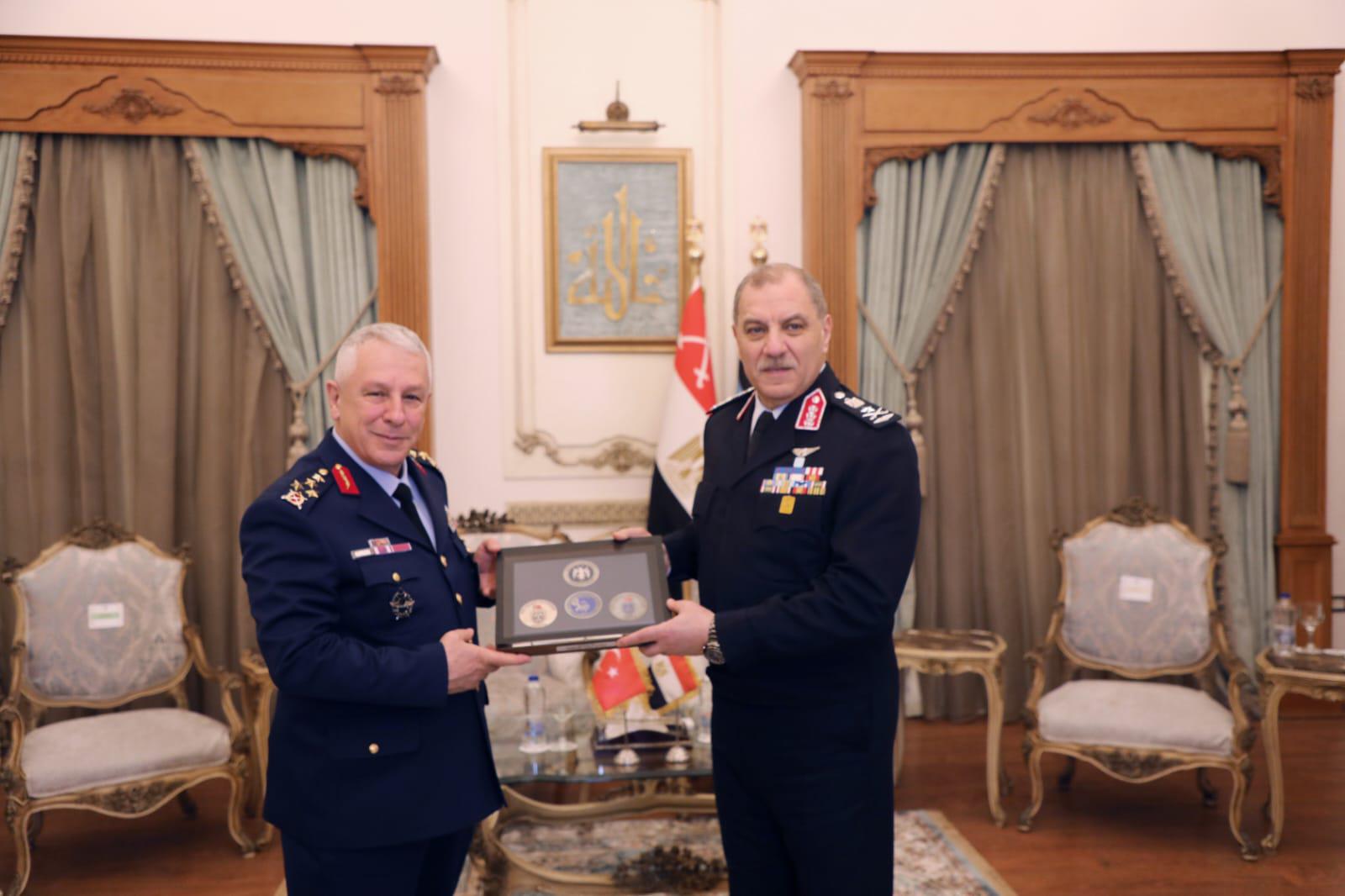
CAIRO – The recent visit by the Commander of the Turkish Air Force, General Ziya Cemal Kadioglu, to Egypt marks a qualitative shift in relations between Cairo and Ankara, particularly on the military front, at a time when the region is undergoing rapid strategic transformations that are reshaping traditional alliances.
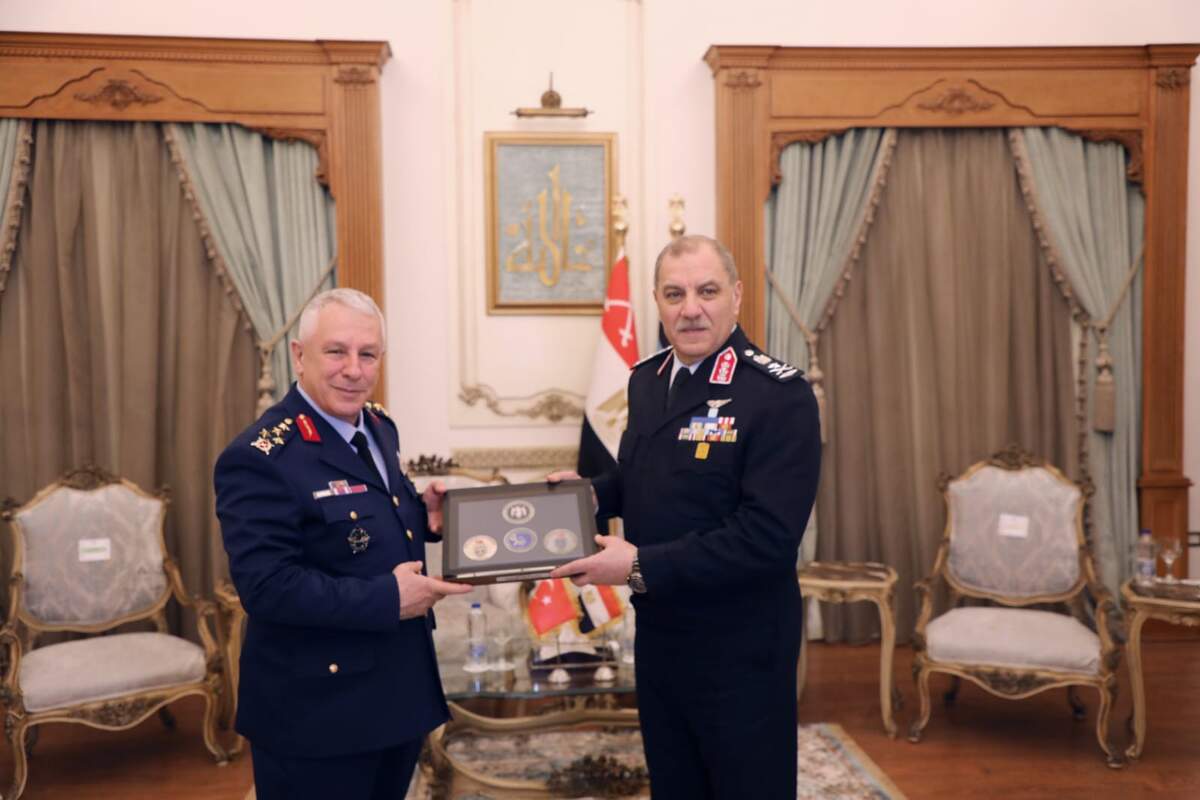
The Turkish commander was received by the Commander of the Egyptian Air Force Lieutenant General Amr Saqr at the Egyptian Air Force headquarters in Cairo. The talks focused on expanding cooperation in the fields of training, armament and the transfer of defence technology, reflecting growing momentum in bilateral military ties.
The meeting follows a military framework agreement signed last month, which laid an institutional foundation for the development of defence cooperation between the two countries. Both sides discussed ways to enhance operational coordination, intensify joint training programmes and explore partnership opportunities in military industries, signalling a shared desire to move beyond political normalisation towards a strategic partnership with a clear security dimension.
On the sidelines of the visit, the Turkish delegation toured several Egyptian Air Force units, including West Cairo Air Base, where they were briefed on modern training and weapons systems. The visit carried significance beyond protocol, indicating a level of trust that allows for the exchange of expertise and access to advanced operational capabilities.
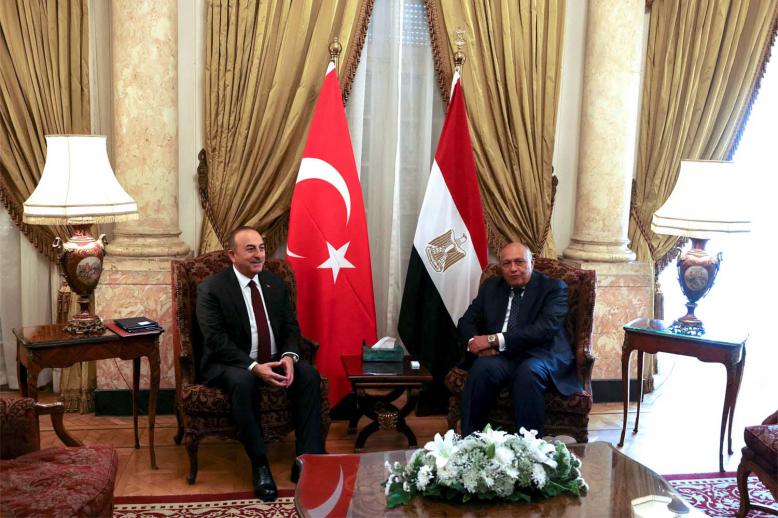
The accelerating military rapprochement between Cairo and Ankara comes after years of estrangement following 2013, when relations deteriorated sharply, spilling over into several regional files, most notably Libya and the Eastern Mediterranean. A gradual process of re-engagement began in 2023, driven by pragmatic calculations on both sides, before being consolidated through the restoration of diplomatic ties, the exchange of ambassadors and high-level visits.
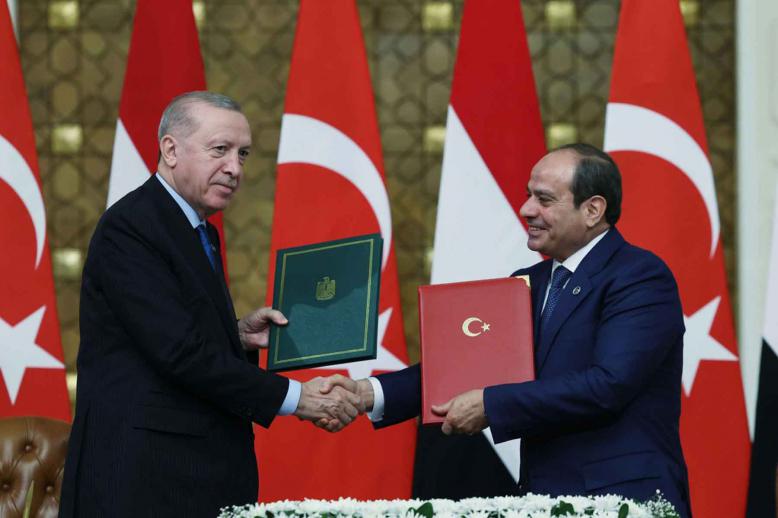
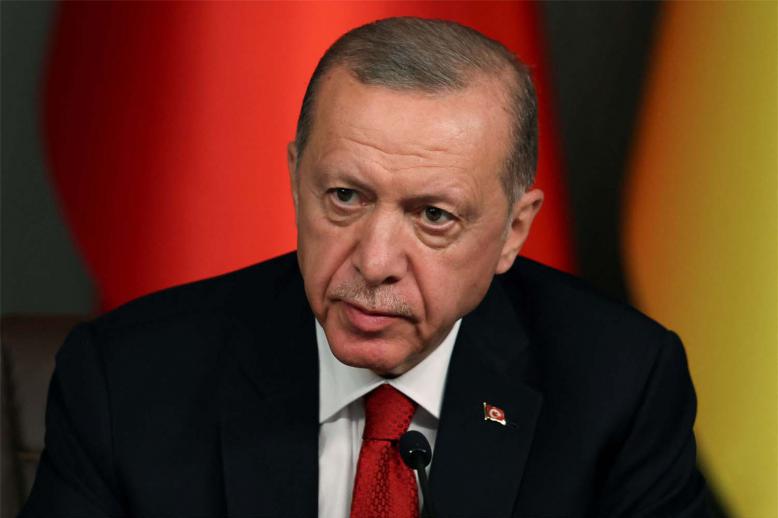
The shift reached its peak during the visit of Turkish President Recep Tayyip Erdogan to Cairo in February, when he held talks with Egyptian President Abdel Fattah al-Sisi that resulted in the signing of a framework agreement on military cooperation. The accord covered defence manufacturing and the exchange of expertise, with discussions of potential deals reportedly worth around $350 million, including short-range air defence systems.
Observers say the evolving partnership reflects a growing recognition in both capitals that the regional environment demands strategic repositioning. The Eastern Mediterranean is witnessing intense competition over energy resources and maritime routes, tensions are rising in the Red Sea, and instability persists in Libya, Sudan and Gaza. Against this backdrop, Egypt is seeking to diversify its sources of armament and enhance the independence of its military decision-making, while Turkey aims to expand its defence footprint and break out of previous regional isolation.
Bilateral cooperation is not limited to arms deals. It also includes the resumption of joint naval and air exercises, such as the Sea of Friendship 2025 drills, as well as discussions on possible Egyptian participation in advanced Turkish defence industry programmes, including the fifth-generation national fighter jet project. Should this trajectory continue, it could pave the way for the development of a joint defence industrial base that strengthens the two countries’ indigenous capabilities.
However, the rapprochement is being closely watched by other regional actors. The re-emergence of an Egyptian-Turkish axis with expanding defence cooperation is generating both interest and concern among some parties, particularly Israel, which monitors new military arrangements in its strategic neighbourhood, especially those affecting the balance of power in the Eastern Mediterranean and the Red Sea. Other states may also view the growth of joint defence industries as an attempt to reduce traditional reliance on Western suppliers, with potential political implications.
Officials in Cairo and Ankara, for their part, stress that the cooperation is aimed at reinforcing regional stability rather than forming confrontational blocs. They emphasise that the partnership is based on mutual interests and respect for sovereignty, with a focus on counter-terrorism, securing maritime routes and strengthening maritime security.
Despite its current momentum, the trajectory will depend on both sides’ ability to manage possible divergences over sensitive regional files and to translate signed agreements into sustainable implementation programmes. What is clear, however, is that a new chapter has opened in Egyptian-Turkish relations, one defined by an emerging defence partnership taking shape in a turbulent regional environment, with implications that may extend well beyond the two countries and influence the broader balance of power in the Middle East.