

A call for legal reform and awareness
Egyptian actress thrusts organ donation back into the spotlight
Organ donation remains one of the most contentious issues in Arab societies, intersecting religious, social, medical, legal and ethical considerations.
Wednesday 18/02/2026
A call for legal reform and awareness
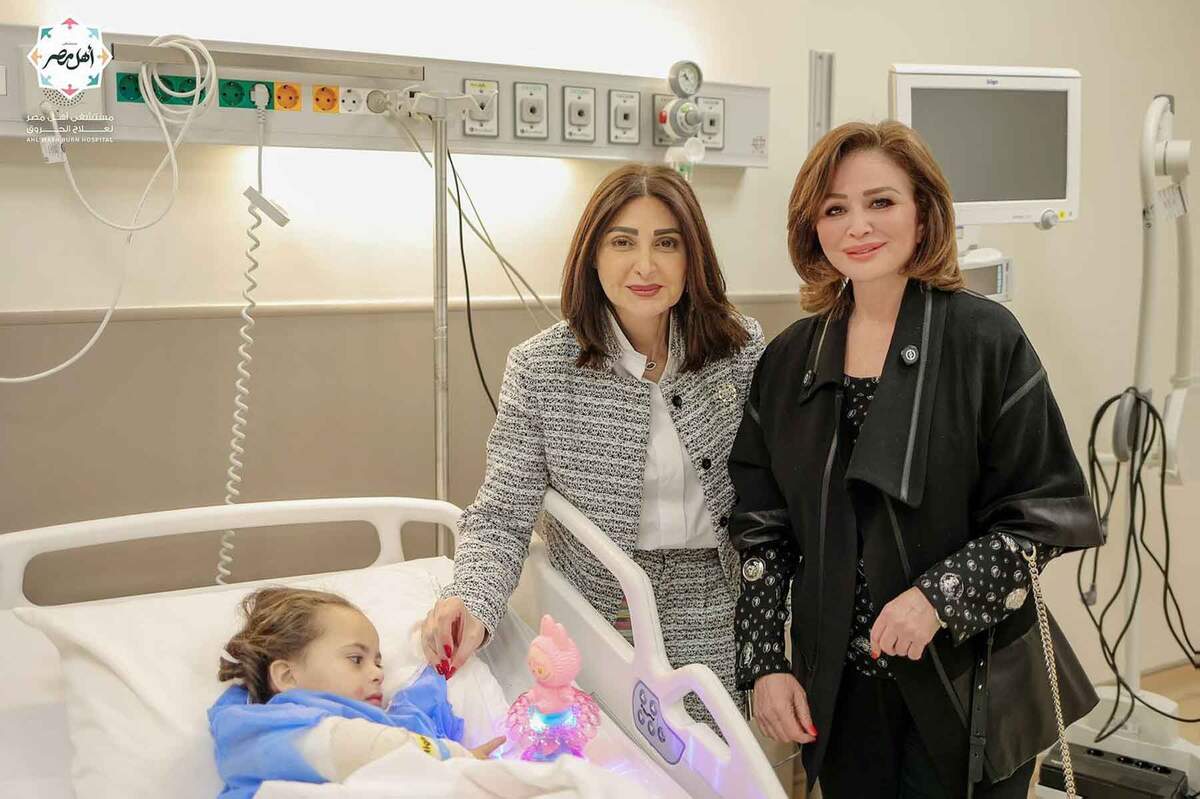
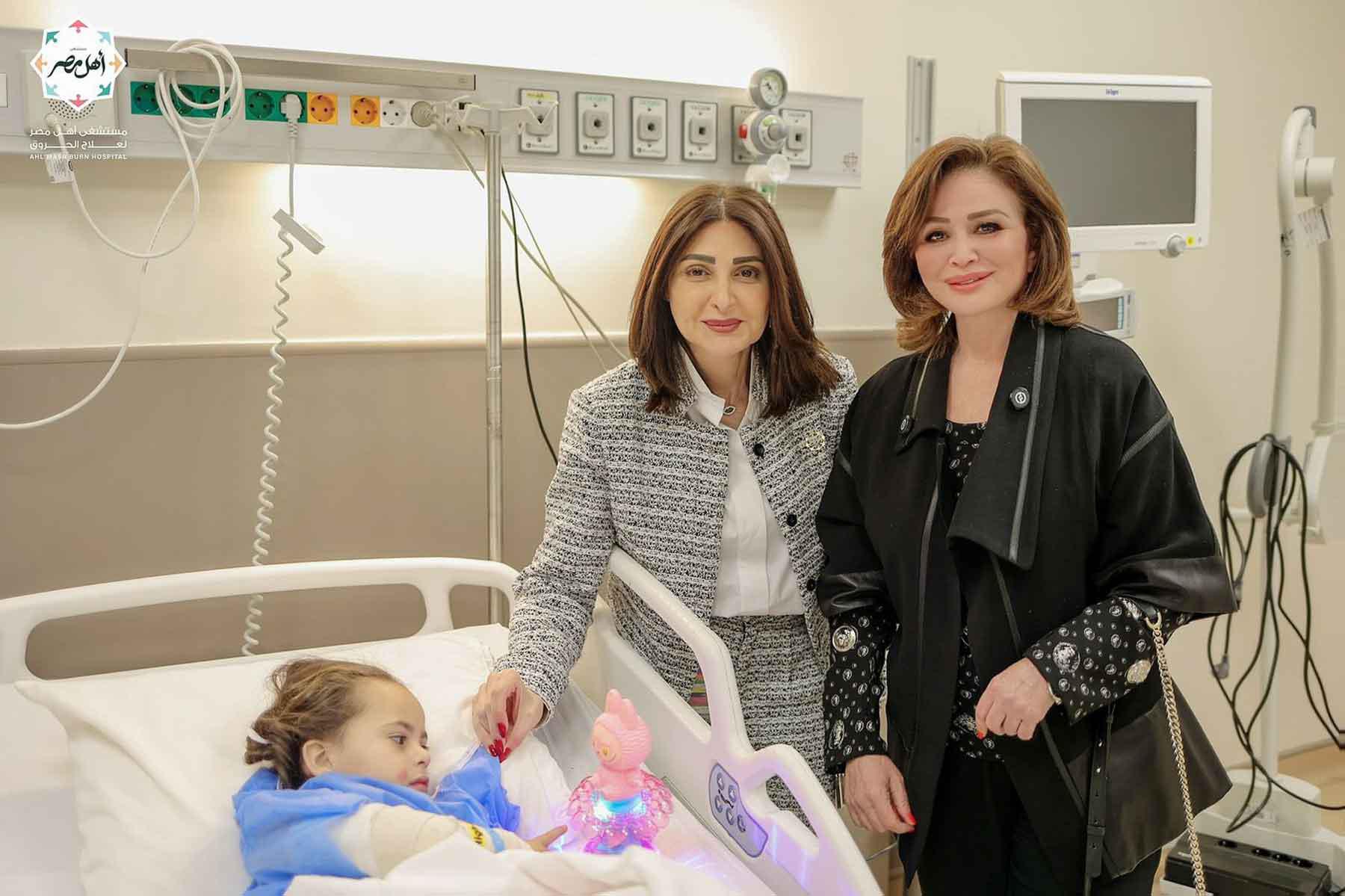
CAIRO – Egyptian actress Elham Shahein renewed calls for parliament to activate long-standing organ donation legislation and establish a human skin bank to support burn victims, reigniting debate over one of the most sensitive ethical, religious and medical issues in Arab societies.
Shahein urged lawmakers to implement the legal framework governing voluntary organ donation, describing it as a humanitarian necessity that could save lives and alleviate suffering, particularly among severely injured burn patients.
In a post on Facebook, she wrote: “In the holy month of Ramadan, we pray for relief for all those in pain, especially burn victims, whose suffering is among the most severe. May God ease their pain and grant them healing.”
She paid tribute to Egypt’s Ahl Masr Trauma and Burn Hospital, which provides free treatment, praising its specialised medical staff and humanitarian mission.
“I hope and urge the respected parliament to activate the organ donation law for those who wish to donate, as this is entirely voluntary,” Shahein added. “We need a human skin bank that can be used in critical skin graft procedures for severe burns.”
She also emphasised the ethical and spiritual dimension of organ donation, saying that donating organs after death could be considered a form of ongoing charity benefiting the deceased. “This law exists in all developed countries,” she said, expressing gratitude to philanthropist Heba Elsewedy, who founded the Ahl Masr hospital.
Ethical and religious debate persists
Organ donation remains one of the most contentious issues in Arab societies, intersecting religious, social, medical, legal and ethical considerations.
Supporters view it as a noble humanitarian act that can save lives and embody solidarity, particularly when it helps critically ill patients in need of transplants. Some cite religious rulings issued by respected institutions such as Al-Azhar and the International Islamic Fiqh Academy, which have permitted organ donation under strict conditions, including the absence of financial compensation and ensuring no serious harm to the donor.
However, others remain cautious or opposed, arguing that the human body is a sacred trust that should not be altered after death. Concerns about the potential exploitation of vulnerable individuals and illegal organ trafficking have also contributed to public scepticism, especially following reports of trafficking networks in parts of the region.
Donation after death is particularly controversial due to debate over the medical definition of brain death. While global medical institutions recognise brain death as a legal and clinical standard, some members of the public remain unconvinced, creating hesitation about consenting to post-mortem donation.
Several Arab countries, including Egypt, Saudi Arabia and Jordan, have introduced laws regulating organ donation after death, establishing safeguards to prevent abuse and ensure transparency. Despite this, donation rates remain below global averages, often due to cultural sensitivities, religious concerns and family reluctance to delay burial procedures.
Beyond religious and ethical considerations, experts point to broader structural challenges, including limited public awareness of the benefits of organ donation, lack of trust in healthcare institutions, and the absence in some cases of clear donor registration systems.
Family members are often required to make decisions during emotionally distressing moments, complicating the process further and contributing to low participation rates.
The need for organ transplants is rising as chronic diseases such as kidney failure and liver disease become more prevalent, increasing pressure on healthcare systems and highlighting the gap between demand and available donor organs.
The debate reflects a wider tension between preserving traditional values and responding to the realities of modern medicine, where organ transplantation is increasingly seen as an essential life-saving treatment.
Shahein’s advocacy rekindles national conversation
Shahein has previously spoken publicly in favour of organ donation. In 2021, she announced her intention to donate her organs after death and urged others to do the same, sparking widespread debate.
She later said she had received overwhelmingly positive responses, including messages of support from medical professionals, particularly transplant specialists, who described the initiative as a humanitarian act.
She also noted that some religious scholars and public figures had expressed support, with several declaring their willingness to donate organs after death.
Egypt formally approved the principle of organ donation years ago, but Shahein highlighted that legislation dating back to 2010 has yet to be fully implemented, calling on authorities to accelerate the activation of regulatory frameworks governing donation and transplantation.
She said she had informed her family of her wishes and urged them to respect her decision, underscoring the personal nature of organ donation.
Analysts say sustained public dialogue, combined with clear legislation, religious engagement and medical transparency, will be essential to transforming organ donation from a controversial issue into an accepted humanitarian practice.
For now, Shahein’s intervention has once again pushed the issue into the public spotlight, reopening a debate that sits at the intersection of faith, ethics and the urgent realities of modern healthcare.