

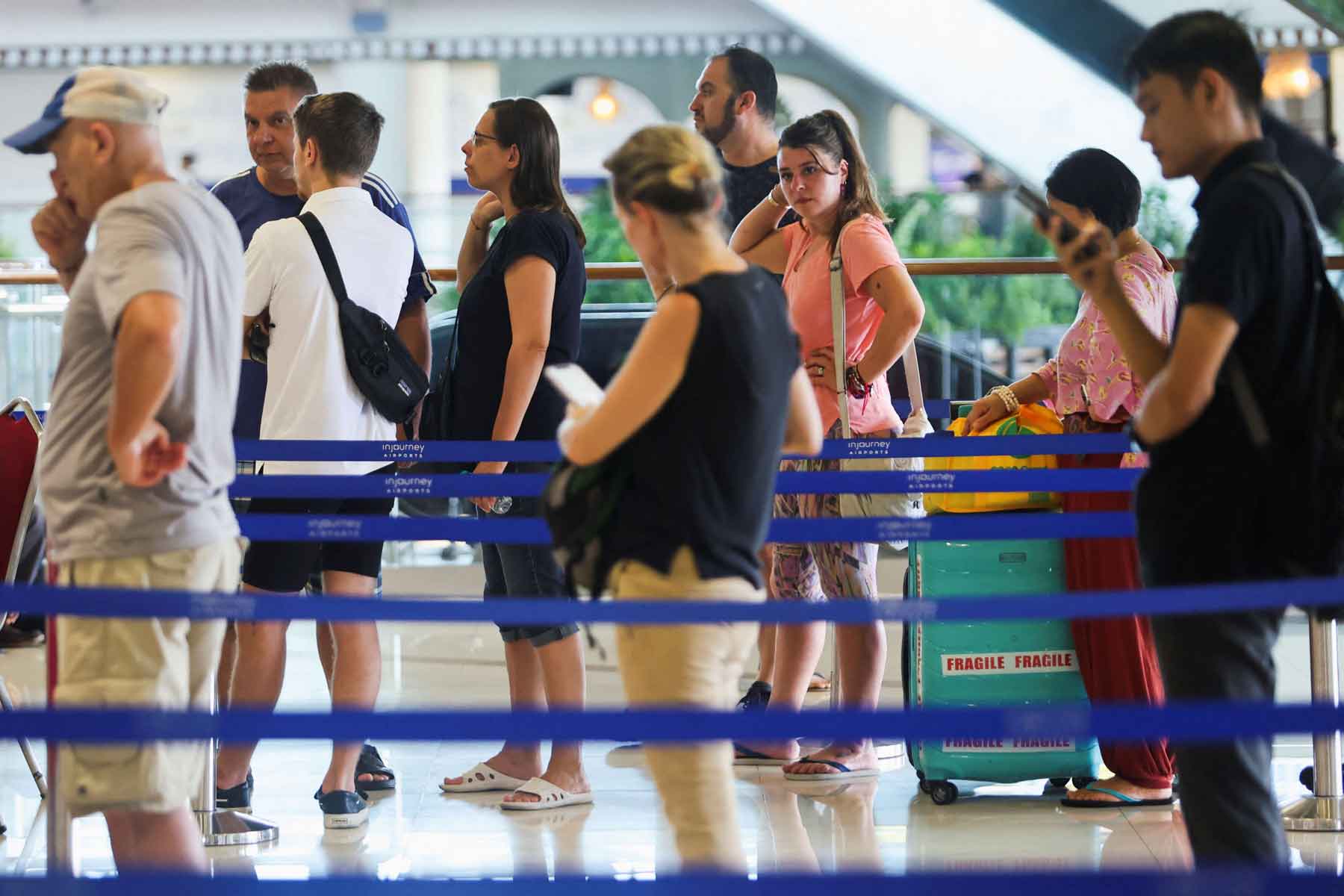
Worst travel disruption since pandemic
Evacuations underway as oil surge pushes up airfares across Middle East
The aviation shock is reverberating through markets. Oil prices have surged, driving up jet fuel costs and increasing the likelihood of higher ticket prices if extended detours persist.
Thursday 05/03/2026
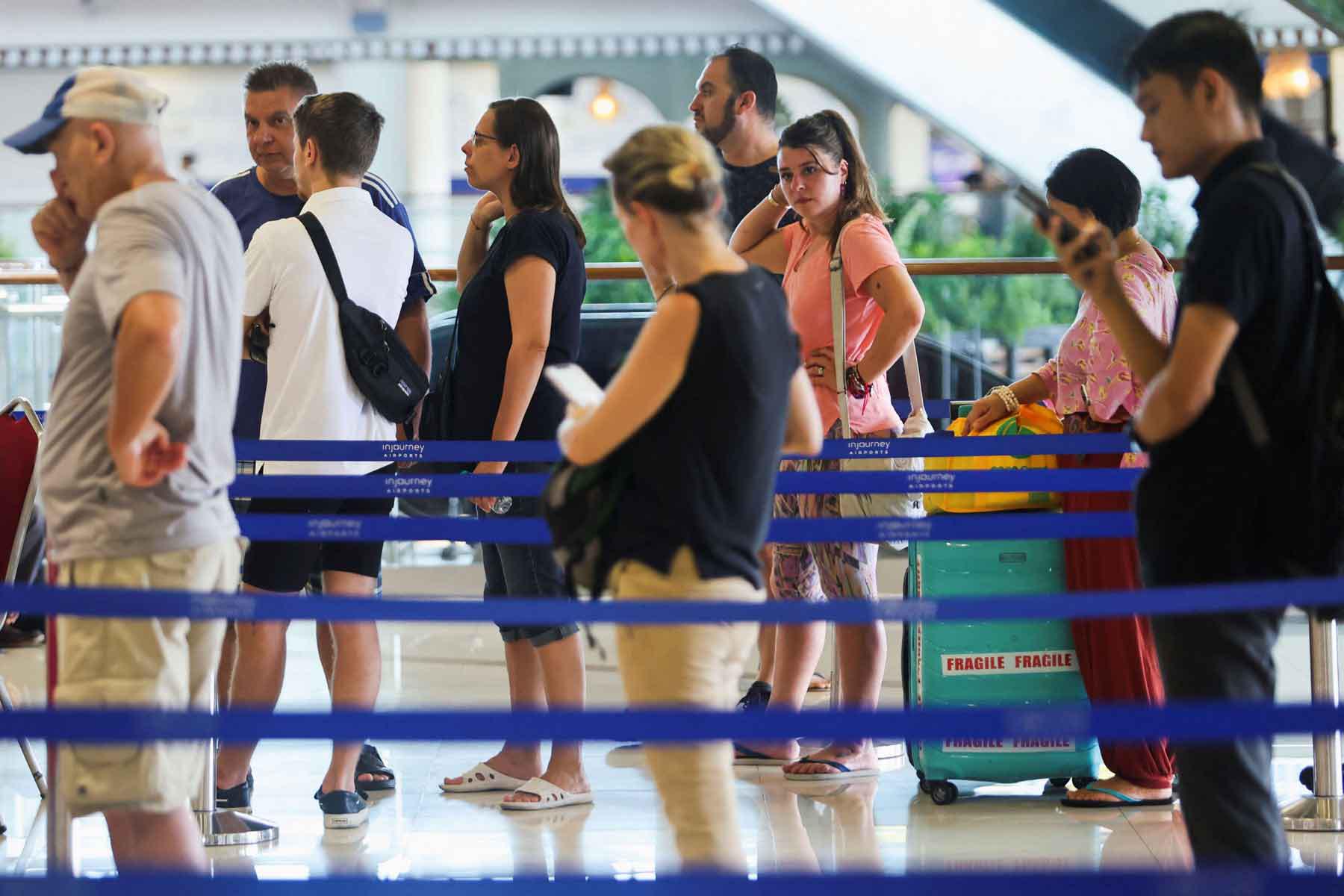
Worst travel disruption since pandemic
LONDON/DUBAI – Governments began mounting large-scale evacuation efforts on Wednesday as tens of thousands of travellers were stranded across the Middle East by the escalating US and Israeli conflict with Iran, triggering the most severe aviation disruption since the COVID-19 pandemic.
Repatriation flights were scheduled to depart from multiple regional hubs as authorities scrambled to bring home citizens trapped by widespread airspace closures. Commercial air traffic remained largely absent across much of the Gulf for a fifth consecutive day, with major hubs, including Dubai, the world’s busiest airport for international passengers, effectively paralysed.
A US government charter flight was transporting American citizens back to the United States, with additional flights being arranged across the region, the State Department confirmed.
Britain and France were due to operate their first repatriation flights on Wednesday, while the United Arab Emirates opened designated safe air corridors to facilitate limited returns. Under normal circumstances, thousands of commercial flights would depart Gulf airports daily. Instead, terminals stood largely silent.
New Zealand said 121 repatriation flights were expected to depart Dubai International Airport on Wednesday alone. More than 2,000 Canadians have requested assistance to leave the region, according to Ottawa.
Some travellers have attempted to make their own way out by road or via neighbouring countries. “We’re doing this cautiously,” said French Finance Minister Roland Lescure, as Paris prepared several evacuation flights for its citizens, around 400,000 of whom are in the wider region.
Poland authorised the use of military aircraft to evacuate its nationals, while Britain leaned on commercial carriers to assist with departures. Foreign Secretary Yvette Cooper spoke with the head of Emirates and was due to hold talks with British Airways regarding flight plans from Dubai. A UK charter flight was scheduled to depart Oman on Wednesday evening.
Italy deployed additional consular staff to Oman and the UAE, while the Czech Republic organised three government evacuation flights from Oman, Jordan and Egypt, bringing home 175 people so far. Slovakia said it had evacuated 127 individuals from Jordan and was preparing further missions.
Even if an immediate ceasefire were declared, industry experts caution that a swift return to normal operations is unlikely. Airlines must reposition aircraft and crews, rebuild schedules and secure regulatory clearances before resuming full services.
With airspace severely constrained, carriers have been forced to reroute aircraft, load extra fuel and plan additional refuelling stops to account for longer, safer flight paths. Qantas added an extra A380 service from Sydney to London and inserted a refuelling stop in Singapore on its Perth-London route to increase passenger capacity amid surging demand.
Several airlines have extended suspensions. Emirates said most routes to and from Dubai remained halted until March 7, though limited operations continued from Dubai International and Al Maktoum International. Air France extended its suspension of flights to Dubai and Riyadh until March 6 and prolonged its halt to Tel Aviv and Beirut until March 8.
The aviation shock is reverberating through global markets. Oil prices have surged, driving up jet fuel costs and increasing the likelihood of higher ticket prices if extended detours persist.
Most major US airlines no longer hedge fuel exposure, leaving them vulnerable to price volatility. By contrast, analysts estimate Asian carriers such as ANA, Cathay Pacific and Singapore Airlines have hedged roughly half their jet fuel needs.
Wizz Air warned that the Middle East conflict would dent its net profit for fiscal year 2026, citing suspended regional routes and broader economic weakness linked to the Iran crisis.
The Gulf’s role as a major air cargo hub has added another layer of disruption, compounding existing strains on global trade routes following Red Sea shipping instability.
Airline shares steadied slightly on Wednesday after double-digit losses earlier in the week wiped tens of billions of dollars from market valuations. Lufthansa closed up 1.5 percent, while British Airways owner IAG rose 2 per cent after shedding more than 13 percent over three days. Qantas, however, fell a further 2.7 percent, extending weekly losses beyond 10 per cent. Korean Air Lines dropped 7.9 percent following a steep fall the previous day. US carriers including United, Delta, American Airlines and Southwest surrendered early gains and turned lower.
For Gulf states that have positioned themselves as global transit crossroads, the sudden paralysis of aviation represents more than logistical inconvenience, it strikes at the heart of their economic model. Dubai in particular has built its prosperity on seamless connectivity, tourism and high-end services insulated from regional turmoil.