


Gargash: Attacks on vessels in Hormuz reinforce Iran’s image as a pariah
Gargash says Iran now seen as long-term strategic threat to Gulf
Gargash said he believed neither Washington nor Tehran had an appetite for renewed full-scale war, despite the ongoing tensions in the Strait of Hormuz.
Friday 24/04/2026
Gargash: Attacks on vessels in Hormuz reinforce Iran’s image as a pariah
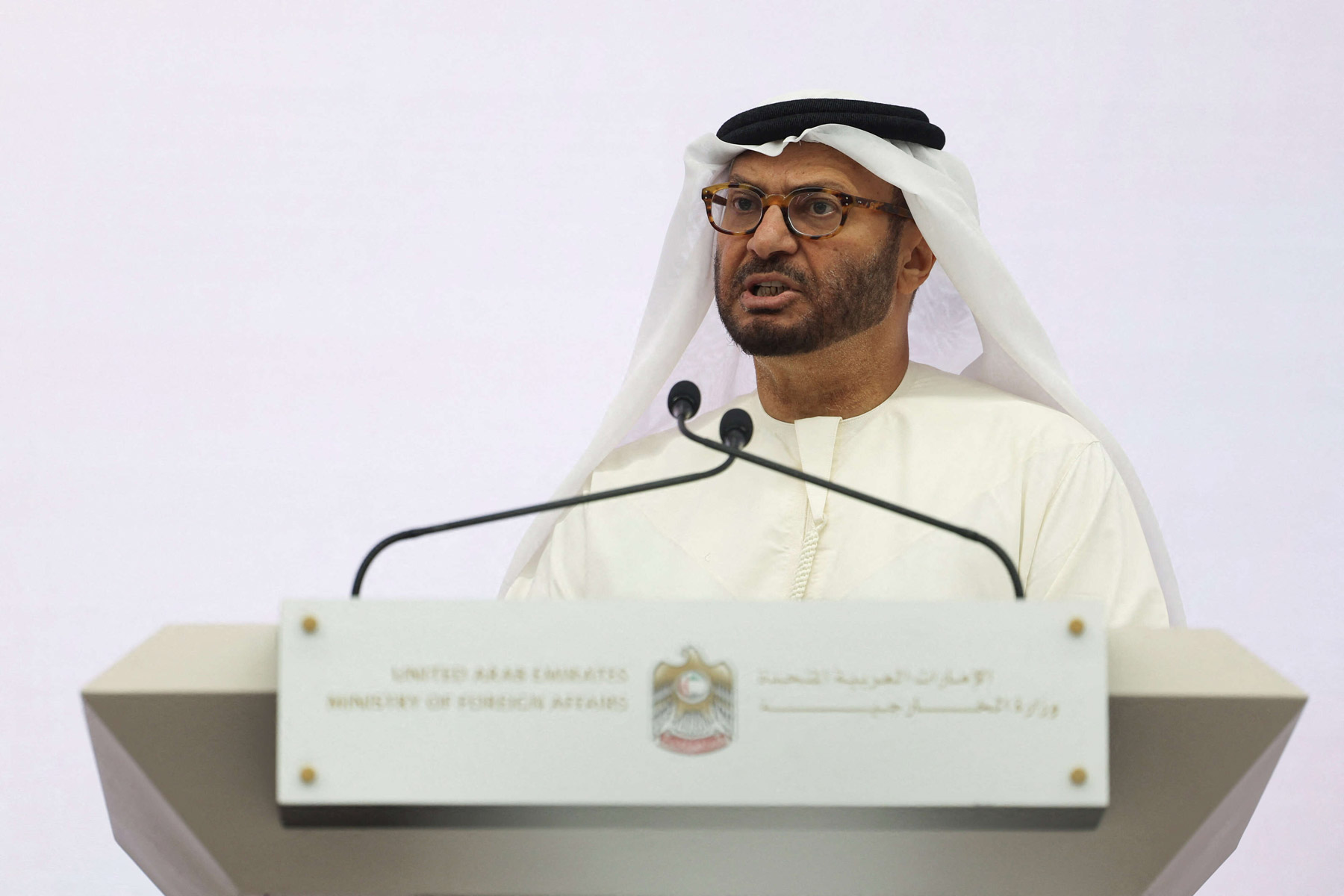
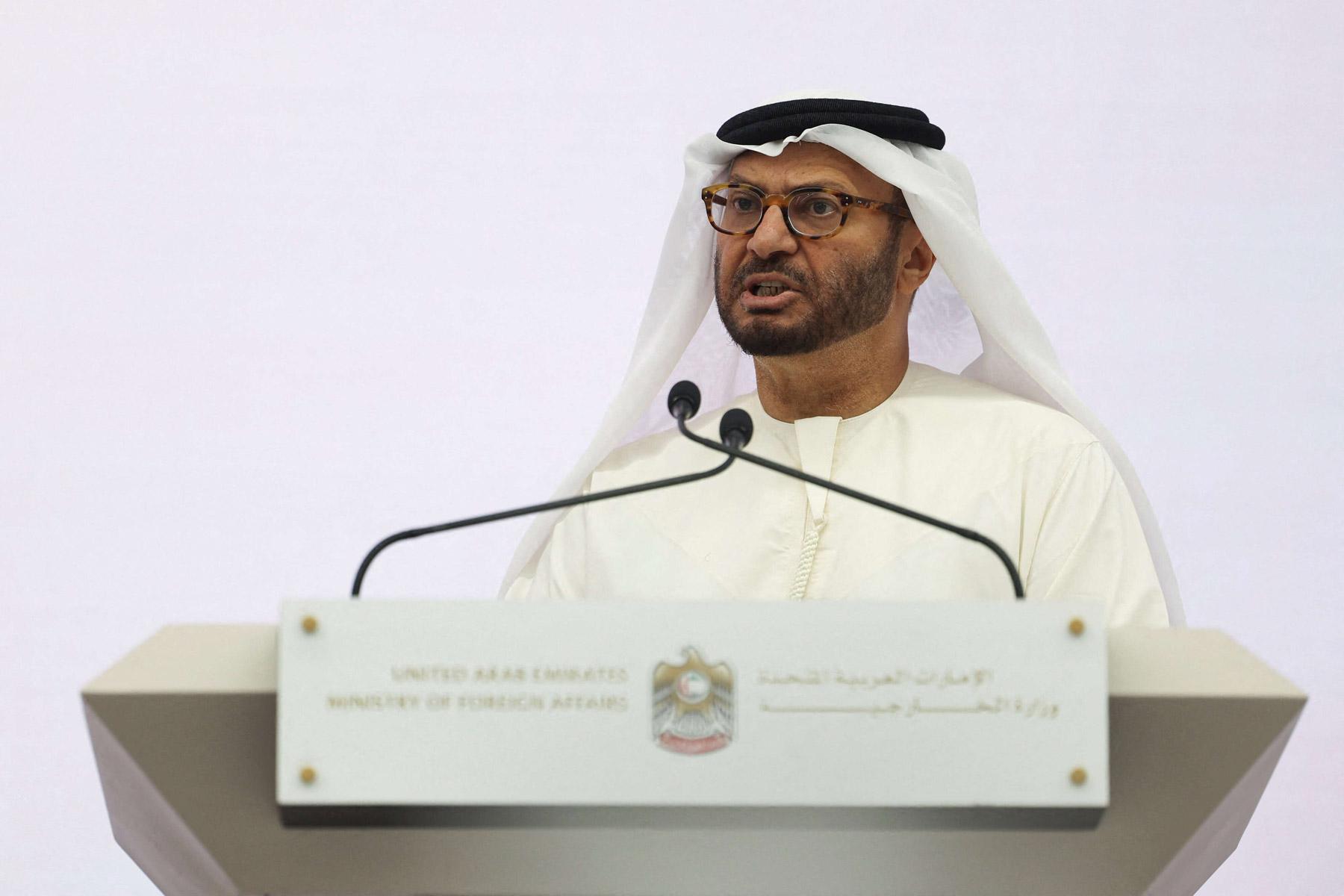
CHANTILLY, France – Rebuilding trust between Abu Dhabi and Tehran will take “ages and ages,” according to Anwar Gargash, diplomatic adviser to the president of the UAE, who said Iran’s missile and drone attacks on Gulf states had fundamentally reshaped regional perceptions of the Islamic Republic.
Speaking at the World Policy Conference organised by the French Institute of International Relations near Paris, Gargash said: “You can’t be attacked with 2,800 missiles and drones and then talk to me about trust. That will take ages and ages.”
His remarks came as he assessed the fallout from the Middle East conflict triggered by a US-Israeli strike on Iran on February 28, which escalated into a wider regional confrontation after Tehran launched missile and drone attacks against US allies across the Gulf.
“Rebuilding trust is a myth,” Gargash said. “It is clear now to the region, to the United Arab Emirates and to other countries, that Iran will be considered a major strategic threat.”
He added that the strikes on Gulf states were, in his assessment, “deliberate by Iran, not only to escalate the crisis but also to show how little importance it attaches to Arab-Iranian relations.”
Gargash said that around 90 percent of Iranian attacks on the UAE had targeted “civilians, civilian infrastructure, energy infrastructure,” rejecting Tehran’s claims that it was striking military or US-linked facilities.
“In fact, I think a lot of them will open political channels and may become increasingly interested in Israeli defence equipment,” he said.
The UAE, he noted, intercepted hundreds of missiles and thousands of drones during the conflict, which killed civilians and military personnel and caused significant damage to infrastructure.
He warned that Iran’s regional behaviour had already cemented a long-term shift in perception.
“Iran will be seen as a strategic threat from the region’s perspective for many decades to come,” he said, adding that this reality would persist regardless of any future diplomatic engagement.
At the same time, Gargash said he believed neither Washington nor Tehran had an appetite for renewed full-scale war, despite the ongoing tensions in the Strait of Hormuz, where maritime incidents have escalated since the ceasefire.
“I think both parties don’t really want to go back to war,” he said in a separate intervention via video link to the conference. “I put my money on the resumption of negotiations to be honest.”
However, he cautioned that a return to talks would not guarantee success, noting that Iran was currently in what he described as a state of internal disarray. “Iran is in a bind,” he said, referring to what he called a “disjointed” leadership structure following weeks of strikes.
“The current short-term risk is that Iran interprets the situation, the continuation of the regime and the blockade of the Strait of Hormuz, as some form of victory,” he said. “That may last weeks, but not indefinitely.”
Gargash said he expected negotiations to resume, pointing to diplomatic activity involving Islamabad, Muscat and Moscow, but stressed that timing remained uncertain.
He also argued that the US had developed a way to exert pressure on Iran without returning to direct conflict, including restrictions on Iranian maritime activity in key shipping lanes. In response, he said, Tehran had escalated attacks on vessels in the Strait of Hormuz, further heightening global energy concerns.
“These attacks reinforce Iran’s image as a pariah,” he said, noting that the situation in the waterway had already disrupted global energy flows.
Looking ahead, he said the long-term consequence of the war would likely be an expanded US presence in the region, not only militarily but also through alliances, defence cooperation and political engagement.
“This is not just about bases,” he said. “It is about equipment, alliances, and political and diplomatic approaches.”
Gargash also suggested that regional attitudes were shifting. While many states would remain committed to the Palestinian cause, he said, an increasing number were unlikely to view Israel solely as a threat in the future.
“I think many of them will open political channels and may become increasingly interested in Israeli defence equipment,” he said.
Despite the volatility, he maintained that diplomacy would eventually resume. “Regional relations with Iran are bound to come back at some stage,” he said, “but building trust and confidence are different things.”
He concluded that Iran’s role in regional security had been permanently altered by the conflict. “Iran will be seen as a strategic threat from the region’s perspective for many decades to come; this is independent of the nature of relations that will have to be rebuilt.”