



The era of containment in dealing with Iran has come to an end
Gargash warns of ‘pre-planned’ Iran threat, calls for Gulf security reset
Remarks of Gargash reflect a growing conviction in parts of the Gulf that relations with Iran can no longer be managed through traditional diplomatic tools alone.
Tuesday 28/04/2026
The era of containment in dealing with Iran has come to an end
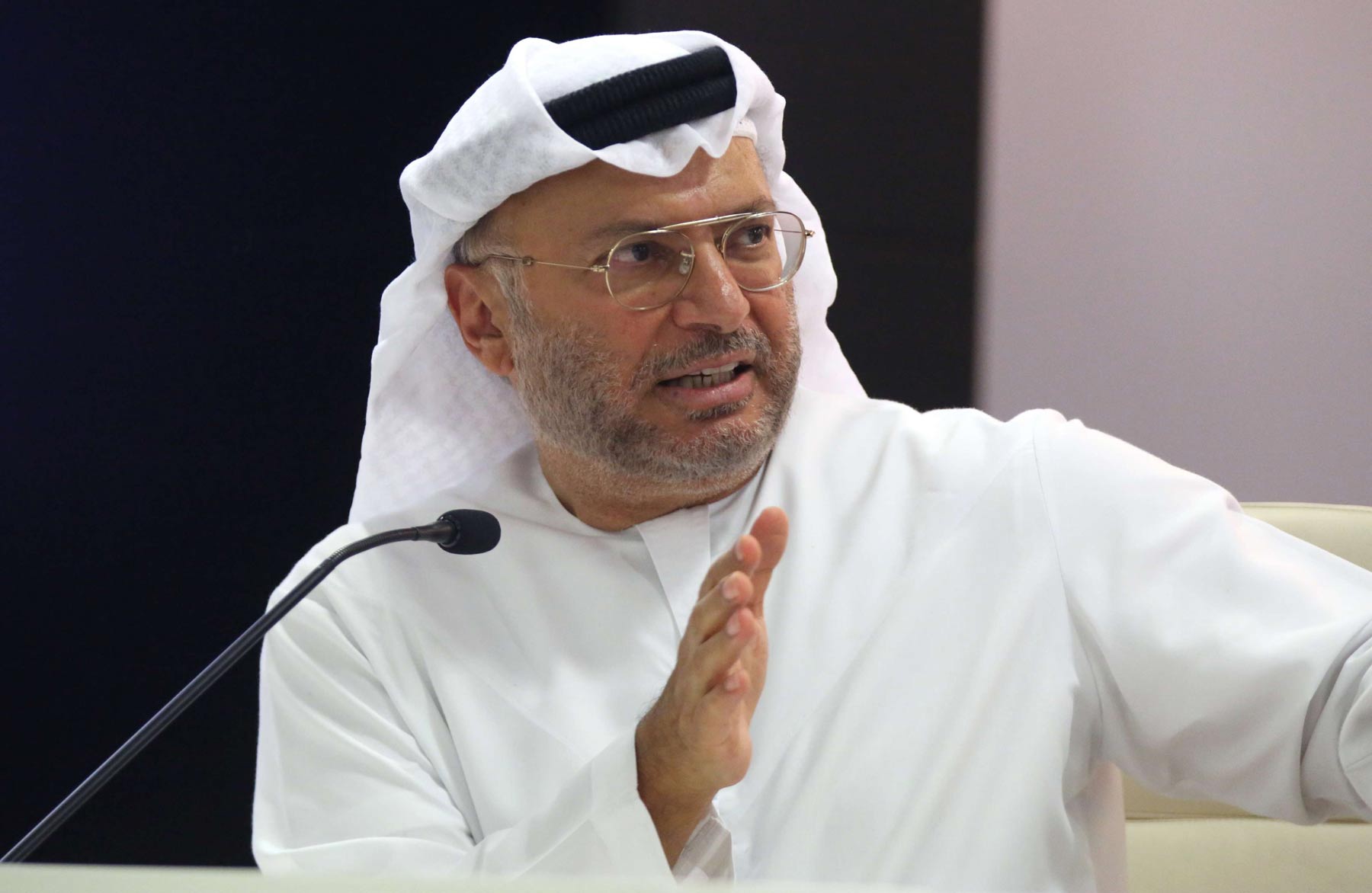
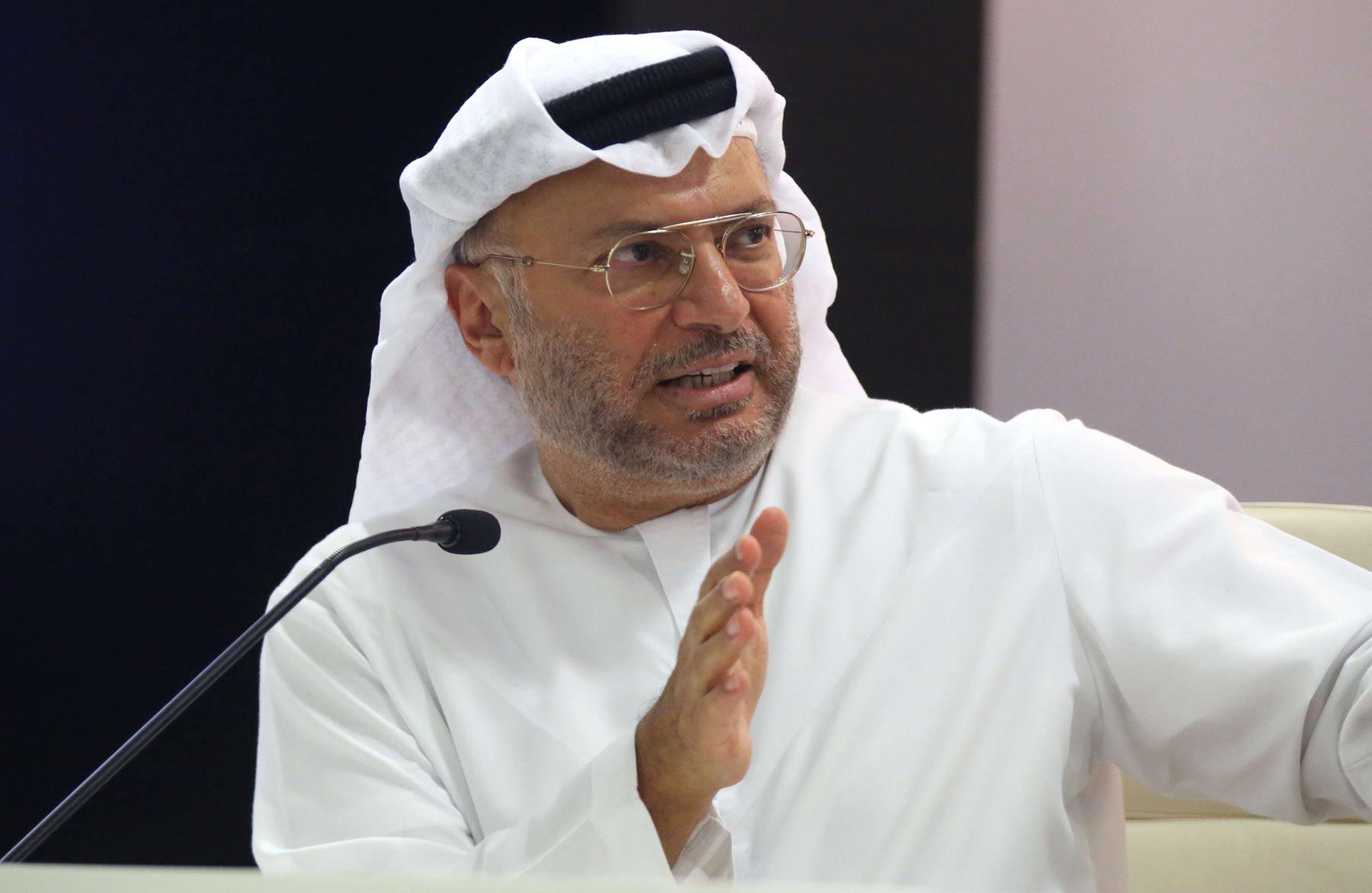
DUBAI – Diplomatic adviser to the UAE president Anwar Gargash said on Monday that tensions with Iran represent a “defining station” in Gulf history, warning that longstanding policies of containment have failed and must be fundamentally reassessed as regional security dynamics shift.
Speaking at a policy forum in Dubai, Gargash described what he called Iranian aggression as “pre-planned,” arguing that the confrontation should no longer be viewed as part of a cyclical pattern of disputes but as a structural turning point in how threats to the Gulf are evolving.
His remarks reflect a growing conviction in parts of the Gulf that relations with Iran can no longer be managed through traditional diplomatic tools alone.
For decades, Gulf states pursued varying forms of containment, combining political engagement, economic ties and quiet security coordination with Western allies in an effort to manage tensions and avoid escalation. Gargash said those approaches had “failed miserably.”
That blunt assessment underscores a broader shift in regional thinking, where the cumulative impact of missile threats, proxy conflicts, maritime insecurity and perceived interference is increasingly seen not as a series of isolated incidents but as part of a coherent and sustained challenge. In that context, Gargash’s characterisation of recent attacks as premeditated carries strategic weight, reinforcing a view that deterrence may now take precedence over accommodation.
Gargash also criticised the response of the Gulf Cooperation Council, calling it the bloc’s “weakest historically” despite the scale of the threat posed by missile and drone strikes during the recent escalation. While coordination existed at a technical level, he said the lack of a unified political and military response exposed longstanding divisions that continue to limit the effectiveness of collective Gulf action.
He urged Gulf states to move towards a more cohesive approach, including a shared security vision and stronger alignment on defence and foreign policy, warning that current levels of coordination fall short of what is required in an increasingly volatile environment. The comments highlight a central dilemma facing the region: whether national priorities will continue to fragment decision-making or whether deeper integration can be achieved in response to common threats.
At the same time, Gargash stressed that any recalibration of Gulf strategy must account for the enduring role of the United States, whose influence extends across military, political and economic domains. Despite shifting global dynamics, Washington remains deeply embedded in Gulf security architecture through defence partnerships, military deployments and financial ties, making it a critical factor in any future policy framework.
The recent conflict has also exposed vulnerabilities in the Gulf’s economic model. Gargash noted that sectors such as tourism and energy were affected by the escalation, illustrating how quickly security tensions can translate into economic disruption. However, he pointed to the UAE’s diversified economy and continued investment in infrastructure as key buffers, arguing that resilience and recovery will depend on sustained government action and long-term planning.
Taken together, his remarks point to a need for a transition in Gulf policy from containment to recalibration. This does not necessarily signal a move towards outright confrontation, but rather a more cautious and risk-aware approach that blends deterrence with selective engagement and closer regional coordination.
The shift is also evident in tone. Gulf political discourse, long characterised by cautious diplomacy, is becoming more direct in assigning responsibility and more explicit in defining threats. This reflects a broader recognition that the region’s strategic environment has changed, shaped by overlapping challenges including energy security, maritime routes, regional influence and great power competition.
Gargash’s message suggests that the tools used to navigate these challenges must evolve accordingly. While it remains unclear whether this moment will lead to greater cohesion or continued fragmentation within the Gulf, his remarks indicate that, for some policymakers, the era of relying on containment alone in dealing with Iran has come to an end.