

A costly project but safer alternative to the Strait of Hormuz
Gulf states mull new pipelines to avoid Strait of Hormuz
The Middle East conflict prompts Guld Arab countries to revisit plans that replicate Saudi Arabia’s East-West pipeline despite its huge cost and complexity.
Thursday 02/04/2026
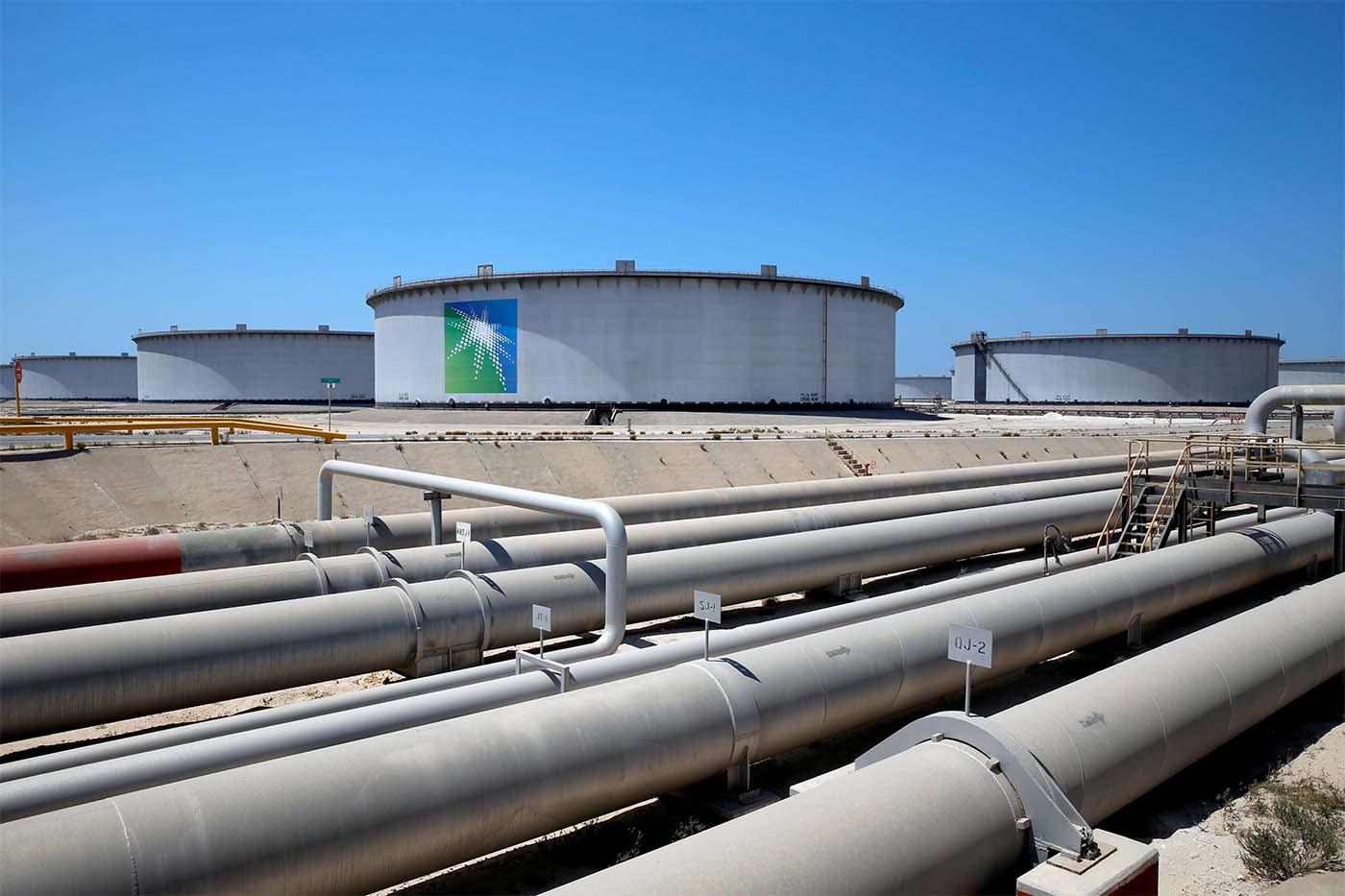
A costly project but safer alternative to the Strait of Hormuz
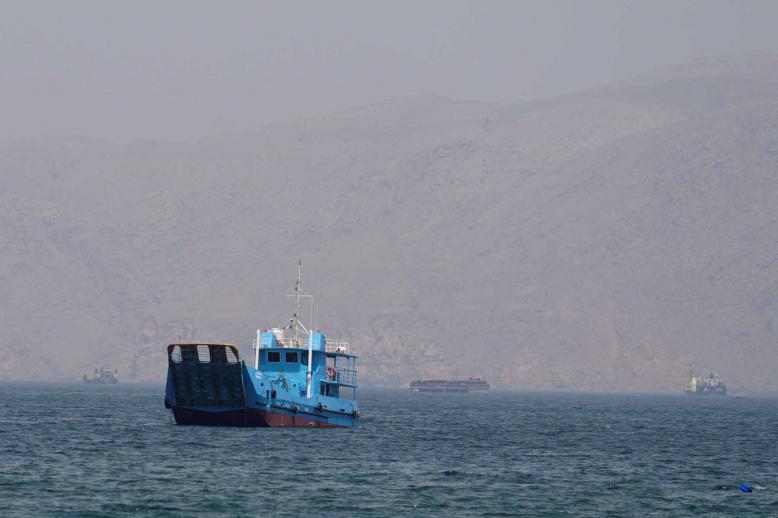
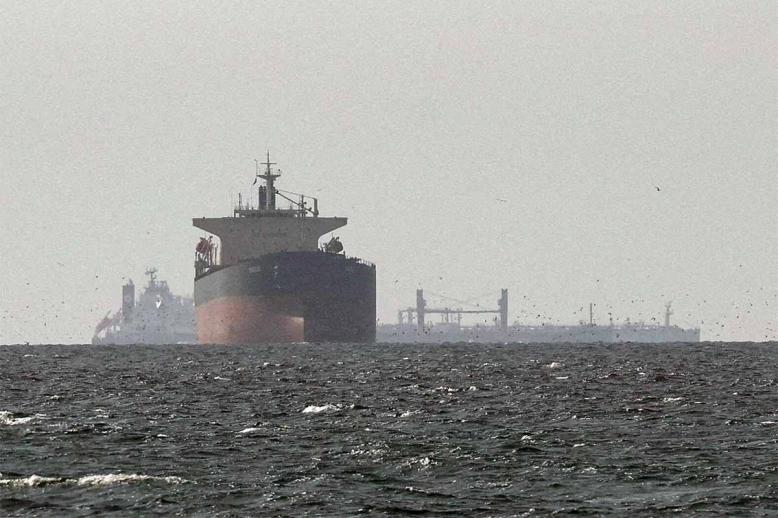
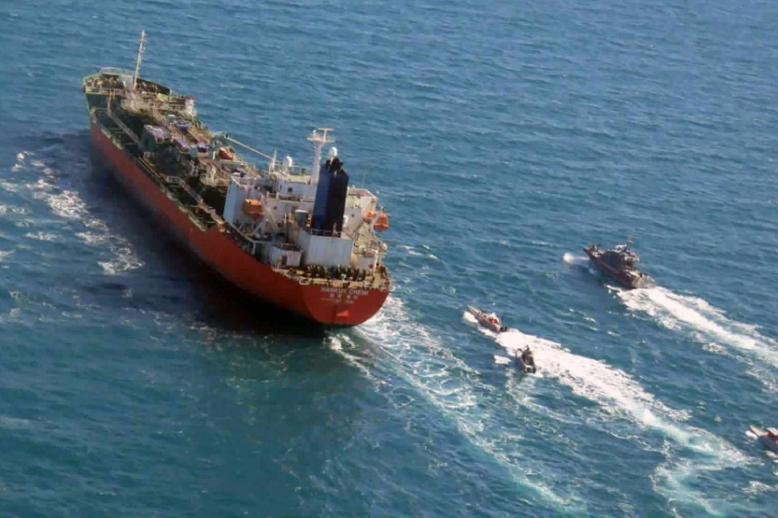
DUBAI - The Strait of Hormuz, through which roughly one-fifth of the world’s seaborne oil normally passes, has been effectively closed for more than a month after Iran barred tankers linked to the US, Israel and their allies. Traffic has plummeted by more than 95 per cent, forcing Gulf oil producers to scramble for alternatives.
Now, senior officials in Saudi Arabia, the UAE and other Gulf states are accelerating work on new pipeline projects designed to replicate and expand the limited overland routes that already exist, people familiar with the discussions told the Financial Times.
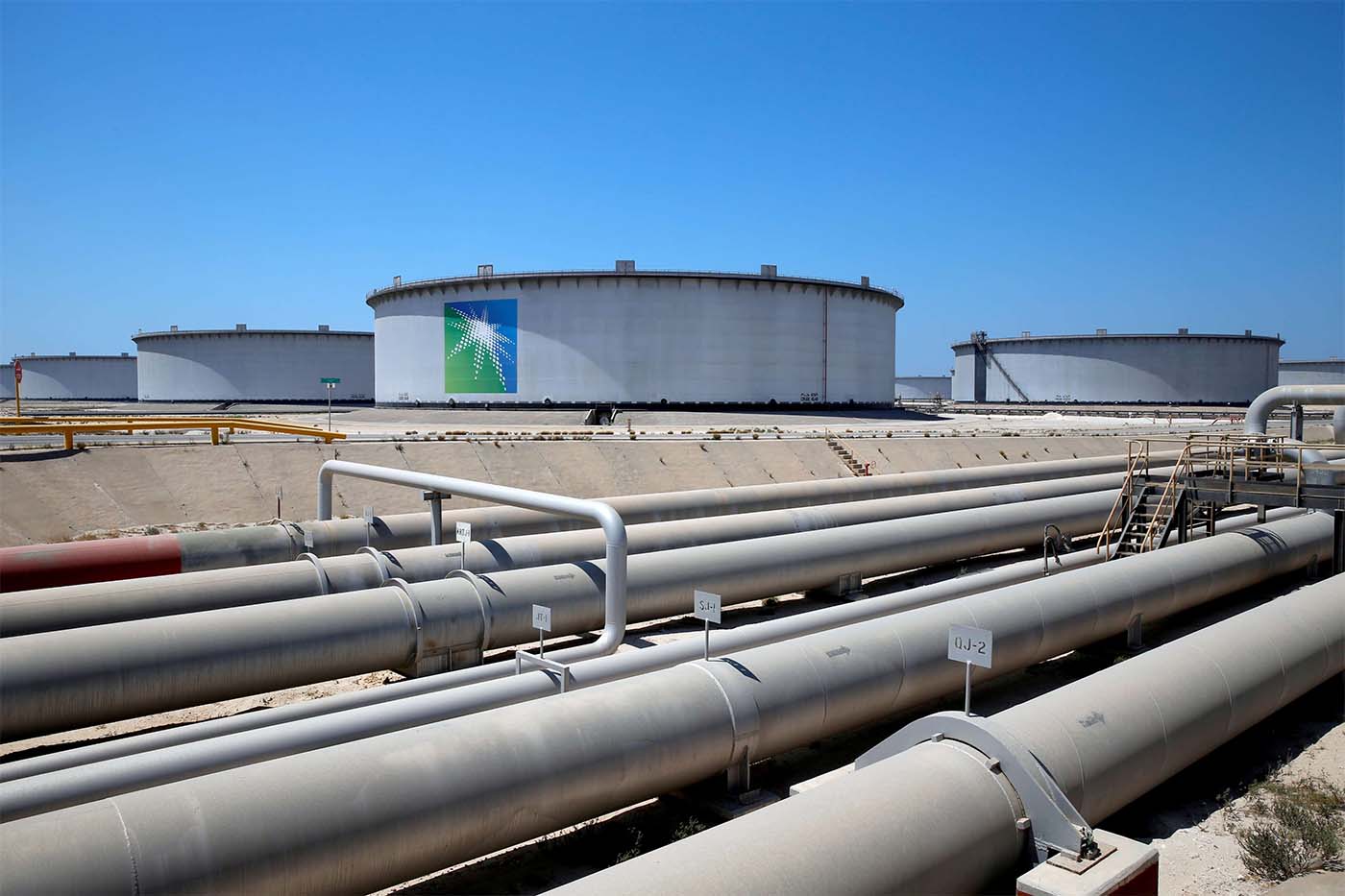
Existing bypass infrastructure has been operating at full throttle. Saudi Arabia’s 1,200km East-West pipeline (also known as Petroline) is pumping at its maximum capacity of 7 million barrels per day to the Red Sea port of Yanbu. The UAE’s Habshan-Fujairah pipeline is moving about 1.7 million bpd to the Gulf of Oman port of Fujairah, beyond the strait.

Yet these two pipelines together can handle only a fraction of the roughly 20mn bpd that used to flow through Hormuz before the crisis. Saudi Arabia alone was exporting about 9mn bpd of crude before the conflict; the UAE around 3.5 million bpd. Qatar, Kuwait and Iraq also rely heavily on the strait for their energy exports.
“Even at full capacity, the existing bypasses leave us exposed,” said one Gulf energy official. “We cannot keep depending on a single vulnerable chokepoint controlled by Iran.”
Discussions now centre on ambitious new routes. One option under active study is an expansion of the UAE’s Fujairah corridor, potentially adding another 1.5mn bpd line from Abu Dhabi’s onshore fields, according to industry executives. Another proposal involves building pipelines from Qatar and the UAE across Saudi Arabia and possibly into Iraq, then onward to Jordan or even the Mediterranean via Israel — a route that would bypass not only Hormuz but also the Bab el-Mandeb strait and Suez Canal.
 The proposed Gulf oil bypass pipeline route
Such a project would cost tens of billions of dollars and face formidable political and engineering hurdles, including crossing multiple borders and traversing difficult desert terrain. Yet the current crisis has removed previous inhibitions about cost and complexity, officials say.
Saudi Arabia’s successful East-West pipeline, built in the 1980s as an insurance policy against Iranian threats, is now being held up as a model to replicate.
Analysts estimate that full independence from Hormuz could require an additional 10-12mn bpd of pipeline capacity across the Gulf.
“The economics have changed overnight,” said a senior banker advising Gulf sovereign wealth funds. “At current oil prices, even a $10 billion line to Oman’s Duqm port could pay for itself in months.”
The push comes as Gulf producers race to maintain export revenues amid the conflict. Red Sea shipments from Yanbu have surged, while Fujairah has become a critical outlet for UAE crude. Storage facilities at both ports have been filled to capacity.
However, the new pipelines would not be immune to risk. Pipelines are fixed targets that could be vulnerable to sabotage or missile strikes — a lesson from past regional conflicts. Security guarantees and international involvement in protecting the infrastructure are likely to be part of any final agreements.
The International Energy Agency has warned that prolonged disruption to Hormuz flows could push global oil prices significantly higher if alternative routes cannot be scaled quickly. Brent crude has already risen sharply since the strait’s closure.
Gulf governments are also exploring rail options and expanded refining capacity closer to alternative export terminals. But pipelines remain the preferred long-term solution because of their lower operating costs and higher volumes once built.