

Evolving security landscape
HADES ambitions mark Morocco’s leap into information warfare
By controlling both aerial and space-based intelligence assets, Rabat aims to reduce dependence on external partners for critical data, while strengthening interoperability with allies.
Wednesday 08/04/2026
Evolving security landscape
RABAT – Morocco’s reported pursuit of the US-developed HADES aerial intelligence system marks more than a routine military upgrade; it signals a deep transformation in doctrine, strategy and regional positioning, as Rabat pivots towards information dominance in an increasingly volatile security environment.
At the heart of this shift is a recognition that modern warfare is no longer defined primarily by firepower, but by the ability to collect, process and act on information faster than adversaries. In this context, intelligence, surveillance and reconnaissance (ISR) capabilities have become the decisive factor shaping outcomes on and off the battlefield.
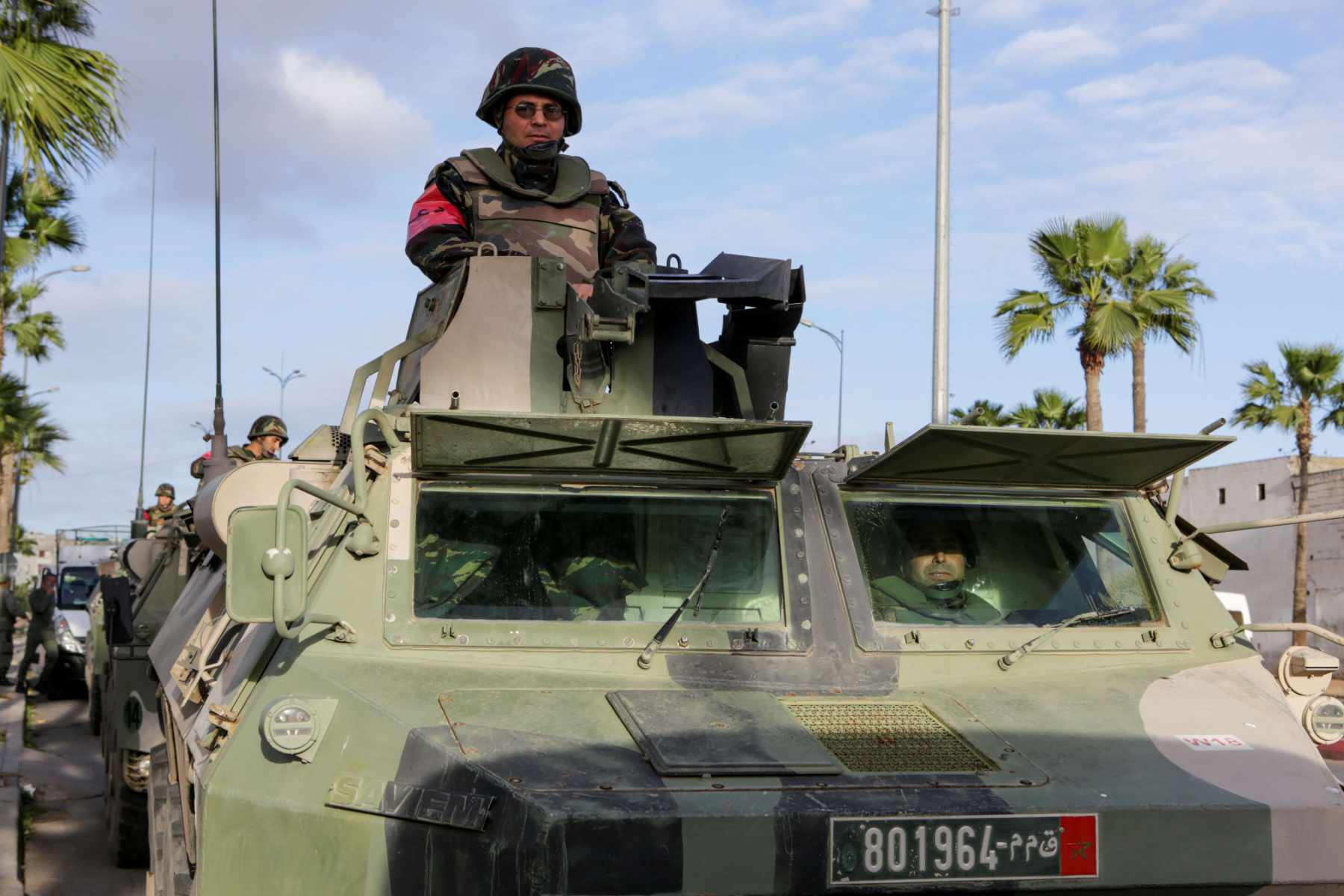
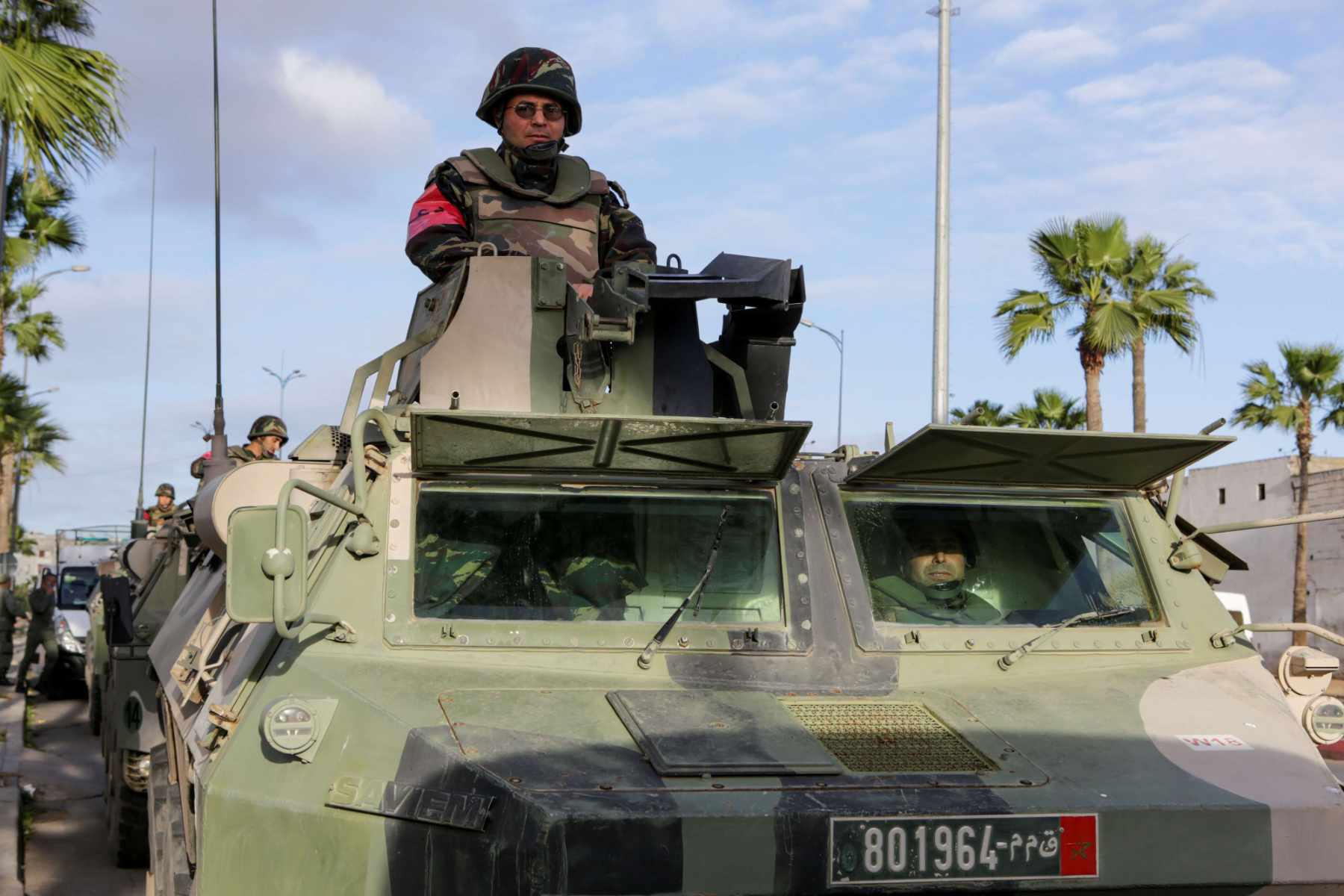
For Morocco, this transition reflects both necessity and ambition. The evolving security landscape across North Africa and the Sahel, characterised by asymmetric threats, cross-border militancy and fragile state structures, demands persistent, high-precision monitoring across vast and often inaccessible terrain.
The limitations of legacy platforms such as the Falcon 20 have become increasingly apparent. Earlier plans to acquire SIGINT-configured Gulfstream aircraft fell short, highlighting the technical and financial complexity of building a modern intelligence capability. The apparent shift towards the HADES system suggests a more integrated approach, one that prioritises a complete intelligence ecosystem rather than standalone assets.
HADES represents a new generation of aerial surveillance: a high-altitude, long-endurance platform capable of operating almost like an “atmospheric satellite.” Its ability to intercept communications, map radar emissions and track moving targets in real time offers a level of situational awareness that fundamentally alters military planning.
Crucially, the system is designed to operate within a broader network that includes satellites, drones and electronic warfare tools. This layered architecture allows for continuous data flows directly to command centres, enabling rapid, informed decision-making and reducing reliance on delayed post-mission analysis.
Morocco’s parallel investment in advanced reconnaissance satellites underscores this ambition for strategic autonomy. By controlling both aerial and space-based intelligence assets, Rabat aims to reduce dependence on external partners for critical data, while strengthening interoperability with allies, particularly the United States through the Foreign Military Sales framework.
The implications extend beyond national defence. Enhanced ISR capabilities would allow Morocco to monitor key maritime routes across the Atlantic and Mediterranean, secure economic interests and play a more prominent role in regional stability efforts. In the Sahel, where non-state actors operate across porous borders, such capabilities could prove decisive in counterterrorism operations.
At a geopolitical level, the move positions Morocco within a select group of countries capable of conducting high-altitude electronic surveillance, reinforcing its status as a major non-NATO ally of Washington and a rising security actor in Africa.
However, the strategy is not without risks. High-tech systems come with significant financial costs, operational complexity and long-term dependency on foreign technology and support. Moreover, the concentration of intelligence power raises questions about escalation dynamics in a region already marked by latent rivalries.
Yet for Rabat, the calculus appears clear: in an era where wars are increasingly won in the realm of data and anticipation, mastering the information space is no longer optional; it is essential.
Morocco’s bet on HADES and next-generation ISR capabilities is, ultimately, a bet on the future of warfare itself.