

Modi’s visit has sparked domestic debate
India expands defence, technology, trade ties with Israel
In defence, India and Israel pledged to expand their already close cooperation, working toward joint development and production of military hardware.
Thursday 26/02/2026
Modi’s visit has sparked domestic debate
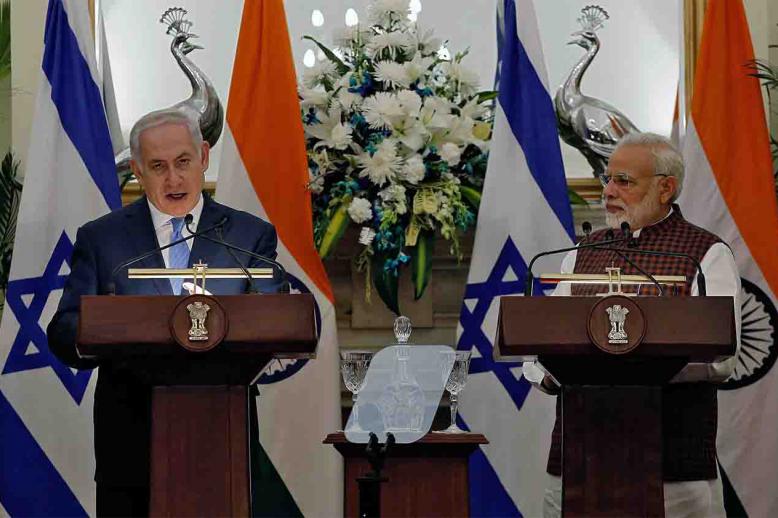
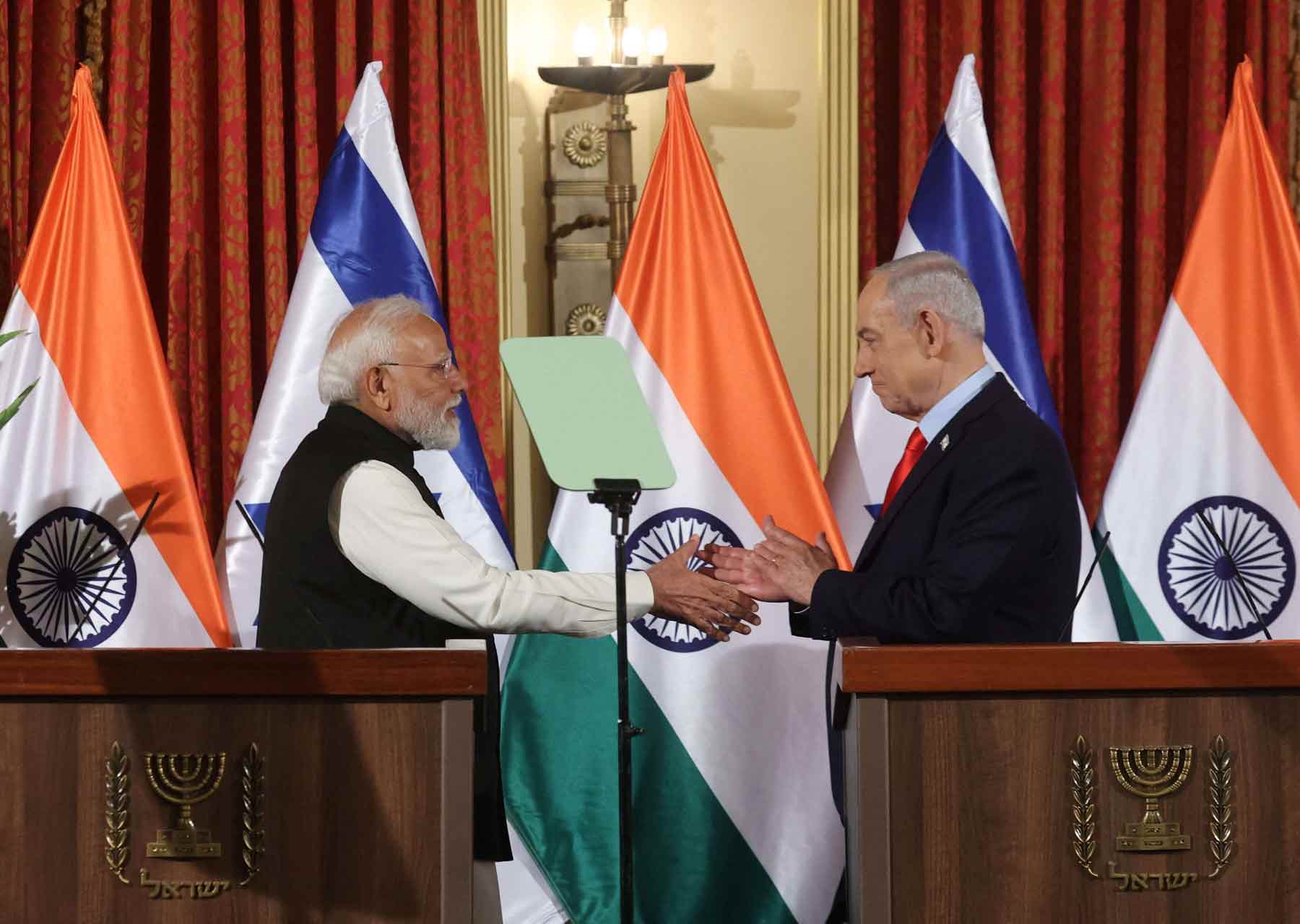
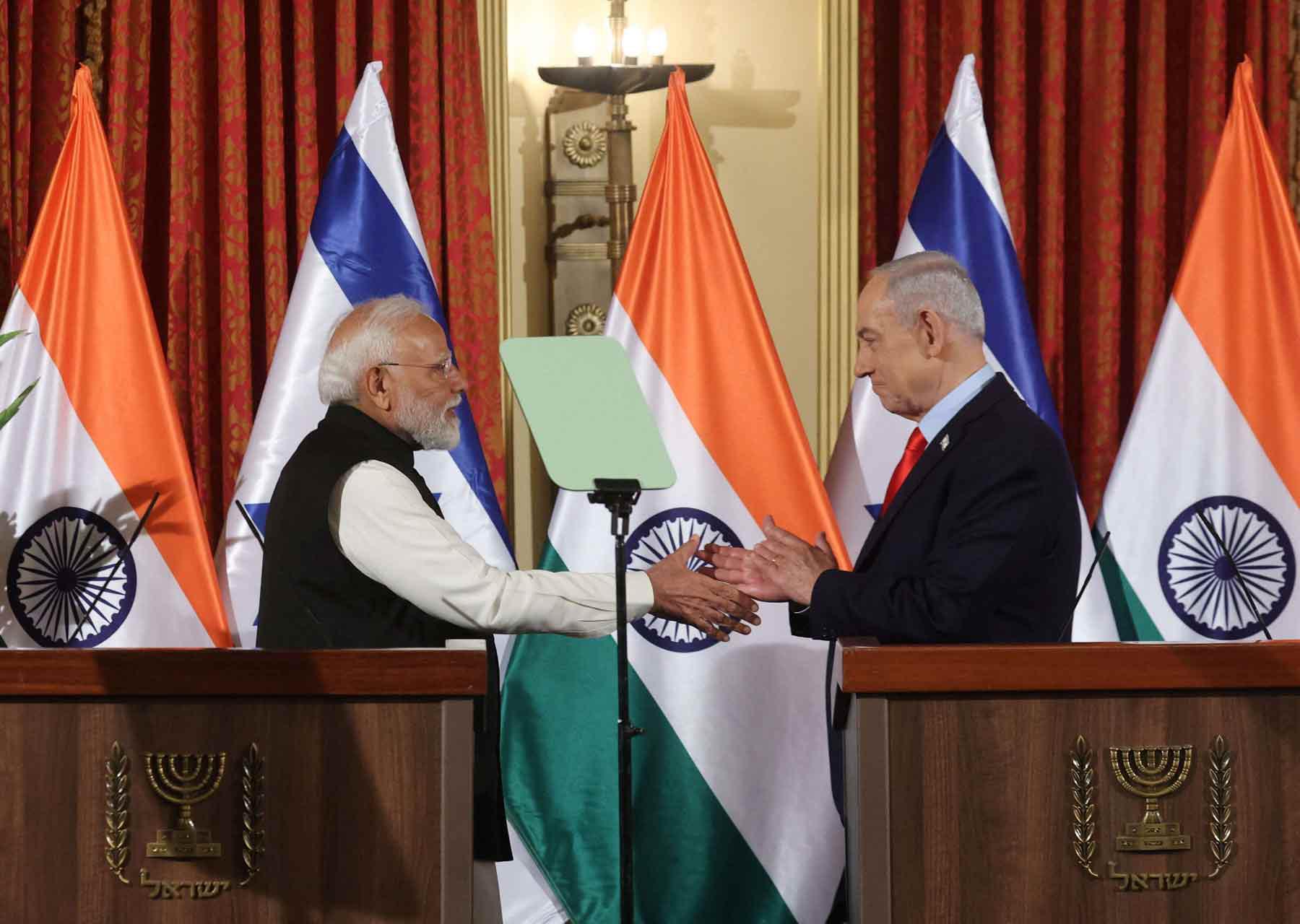
JERUSALEM – India and Israel have agreed to deepen their strategic, economic, and technological partnership, signing a series of agreements covering defence, trade, artificial intelligence and labour mobility, Indian Prime Minister Narendra Modi announced on Thursday following his two-day state visit to Israel.
Speaking at a joint news conference with Israeli Prime Minister Benjamin Netanyahu, Modi said, “Peace and stability in West Asia are directly linked to India’s security interests. Therefore, from the very beginning, we have supported dialogue and a peaceful resolution... India’s position is clear, humanity must never become a victim of conflict. The Gaza Peace Plan has created a pathway toward peace, and India has extended its full support to these efforts. In the future as well, we will continue dialogue and cooperation with all countries.”
During the visit, the two sides elevated their “time-tested” bilateral ties to a special strategic partnership and agreed to firm up a “mutually beneficial” free trade agreement. The agreements also cover innovation, agriculture, energy, cybersecurity, education and digital payments, including the adoption of India’s UPI payment system in Israel.
In defence, India and Israel pledged to expand their already close cooperation, working toward joint development and production of military hardware under a framework for technology transfer. The countries also agreed to cooperate in “horizon scanning” to strengthen strategic foresight, risk assessment and technology planning, leveraging AI-driven tools, joint research and capacity-building programmes.
On labour mobility, Israel will allow an additional 50,000 Indian workers over the next five years, particularly in manufacturing sectors, building on earlier Manpower Mobility agreements. Modi highlighted that Indian workers “have earned trust through their hard work, commitment, and skills” and noted that cooperation is expanding into commerce and services, while establishing the India-Israel Academic Forum to connect youth, researchers and innovators.
Netanyahu said that a government-to-government meeting will be held in India at the earliest opportunity, adding: “The meeting of minds and hearts that we have had here will continue.” He emphasised that “the people of India and Israel are stronger together. The people of India and Israel are more empowered together.”
The visit also included Modi paying respects at Yad Vashem, Israel’s official memorial to Holocaust victims. Both leaders stood in silence at the Hall of Remembrance, while recitations in Kaddish were held to honour the six million Jews murdered by the Nazis and their collaborators.
During bilateral meetings with Israeli President Isaac Herzog, Modi praised Israel’s expertise in water management and agriculture, noting that India continues to adopt best practices in these fields. President Herzog described India as “an essential part of a great future for the Middle East” and emphasised the growing significance of India-Israel cooperation.
The visit, however, has sparked domestic debate. Congress leader Anand Sharma criticised the trip on X, saying: “India should not be seen as endorsing a regime in Israel that has perpetrated genocide in Gaza and forced starvation on thousands of helpless Palestinian civilians, especially children, women and the old, denounced by the UN as a crime against humanity.” He urged that India remain firm on the establishment of an independent and sovereign Palestinian state within secure and defined borders.
Despite these criticisms, Modi’s visit has resulted in multiple signed agreements and memorandums of understanding. The leaders highlighted India and Israel’s shared stance against terrorism, with Modi stating, “India and Israel are completely clear that there is no place for terrorism in the world. India and Israel stood shoulder-to-shoulder in opposing terrorism and its supporters, and we will continue to do so.”