



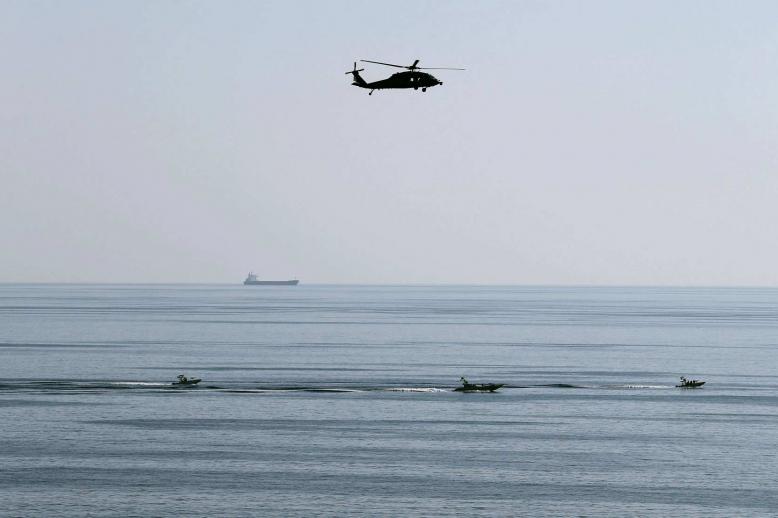
The battle for the control of Strait of Hormuz heats up
Iran’s Revolutionary Guards assert control over strait of Hormuz
The revolutionary guards say passage through the Strait of Hormuz will be under the control of the Islamic Republic in time of war.
Thursday 05/03/2026
The battle for the control of Strait of Hormuz heats up
DUBAI - Iran's revolutionary guards said on Thursday that they have hit a US tanker in the northern part of the Gulf and the vessel is on fire.
The Guards said in the statement carried by state media that, in time of war, passage through the Strait of Hormuz will be under the control of the Islamic Republic.
The IRGC's Navy official, Mohammad Akbarzadeh, emphasized the point in a statement carried by Iran's Fars news agency: "Currently, the Strait of Hormuz is under the complete control of the Islamic Republic’s Navy."
He warned that any vessels attempting to transit the strait risk being targeted by missiles or drones, effectively rendering the chokepoint impassable for commercial shipping. This comes on the heels of reports that the Guards have already struck a US tanker in the northern Gulf, setting it ablaze and signaling a new phase of asymmetric warfare at sea.
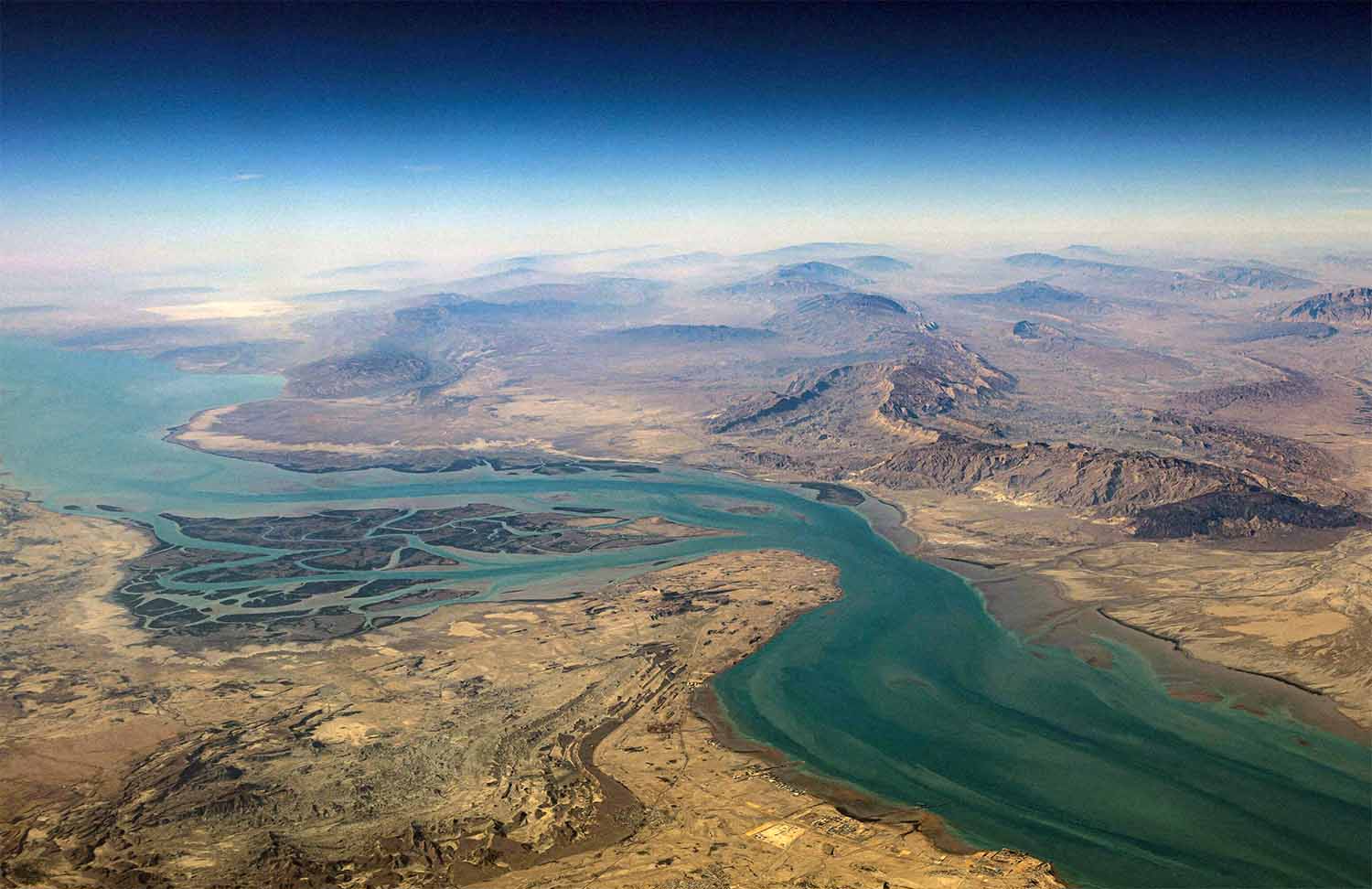
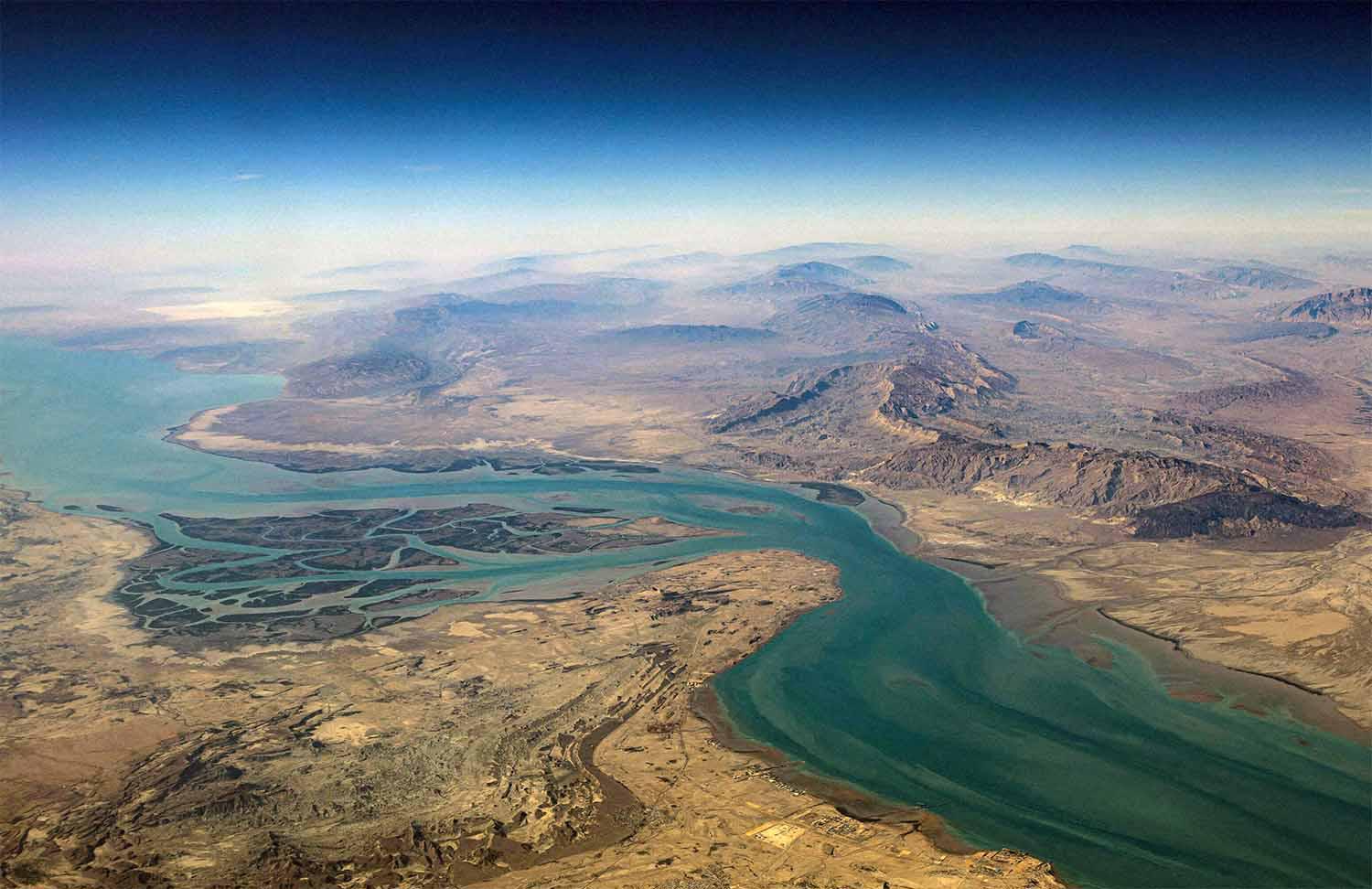
The Strait of Hormuz, a narrow waterway connecting the Persian Gulf to the Arabian Sea, is one of the world's most critical energy chokepoints. Approximately 20-30% of global crude oil supplies transit through it daily, making any disruption a potential catalyst for skyrocketing energy prices and economic turmoil worldwide. With traffic now virtually stalled due to ongoing attacks and electronic interference, insurance for vessels has become nearly unobtainable, further exacerbating the standstill.
This assertion of control follows a series of escalatory events in the conflict, which entered its second week after US-led airstrikes reportedly killed Iran's Supreme Leader Ayatollah Ali Khamenei and prompted Iranian retaliatory missile barrages on US bases and allied targets.
Iranian forces have repeatedly warned that the strait is no longer safe. Some reports indicate a selective approach, with restrictions potentially targeting ships linked to the US, Israel, and European allies, while allowing others to pass under Iranian oversight.
US President Donald Trump has responded by signaling readiness to deploy naval forces to escort tankers through the strait, a move that could lead to direct naval confrontations.
Meanwhile, international bodies like the UK Maritime Trade Operations Center are documenting multiple incidents, including drone strikes on vessels, highlighting the growing risks to global trade.
Analysts warn that a prolonged closure or control by Iran could have severe repercussions, including fuel shortages, inflated prices, and broader economic pressure on oil-dependent nations.
While some experts doubt a full, sustained blockade is feasible due to Iran's military limitations, the current situation has already disrupted supplies and heightened geopolitical tensions. European countries, including Italy, France, and Germany, are coordinating defensive aid to Gulf states, but direct intervention in the strait remains uncertain.