



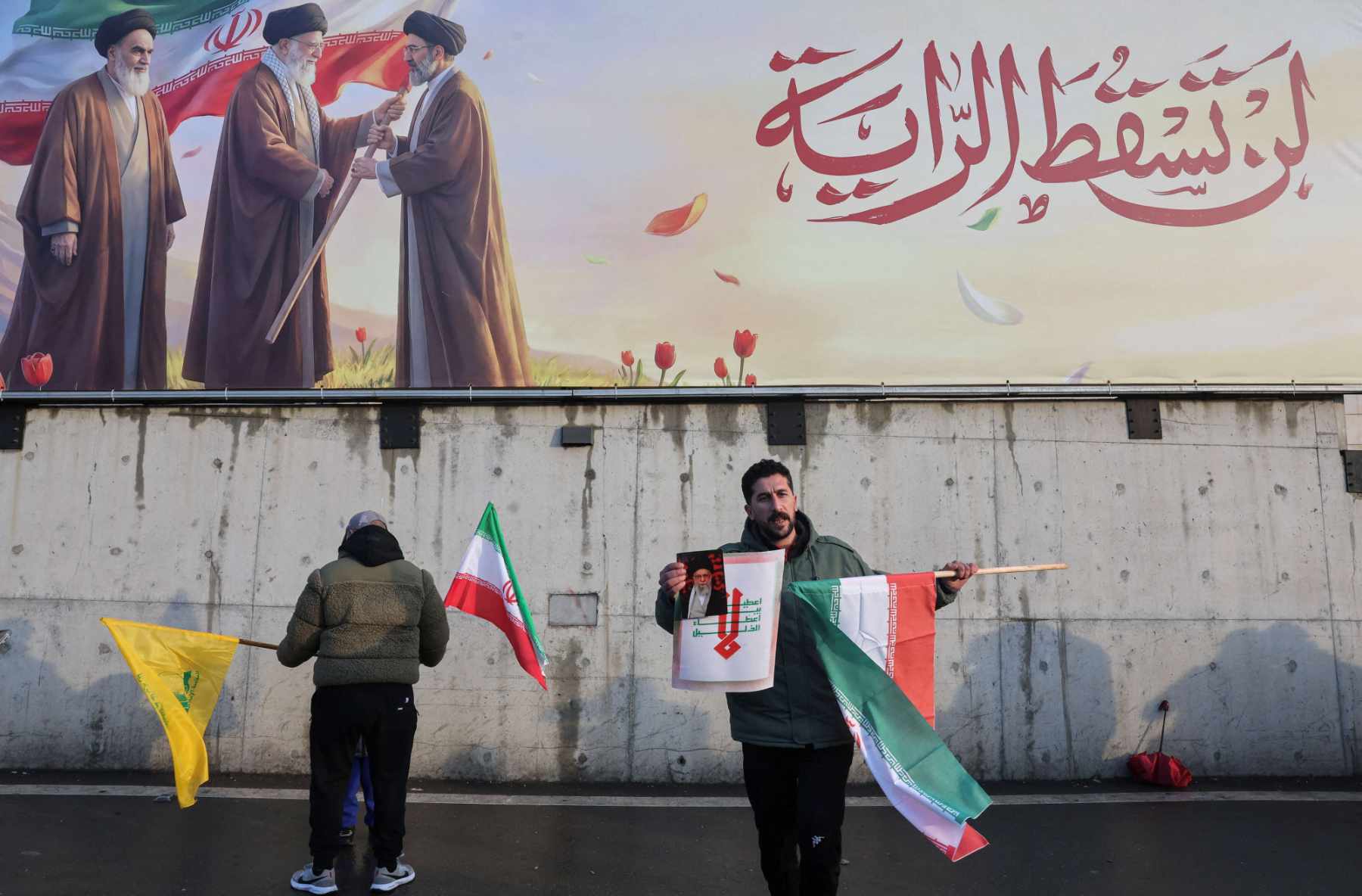
One of the clearest challenges yet to the Lebanese government’s authority
Iran envoy defies expulsion, exposing Hezbollah’s grip on Lebanese state
International reactions to the expulsion were sharply divided. Some Western officials praised Beirut’s move while others questioned whether the government could follow through.
Monday 30/03/2026
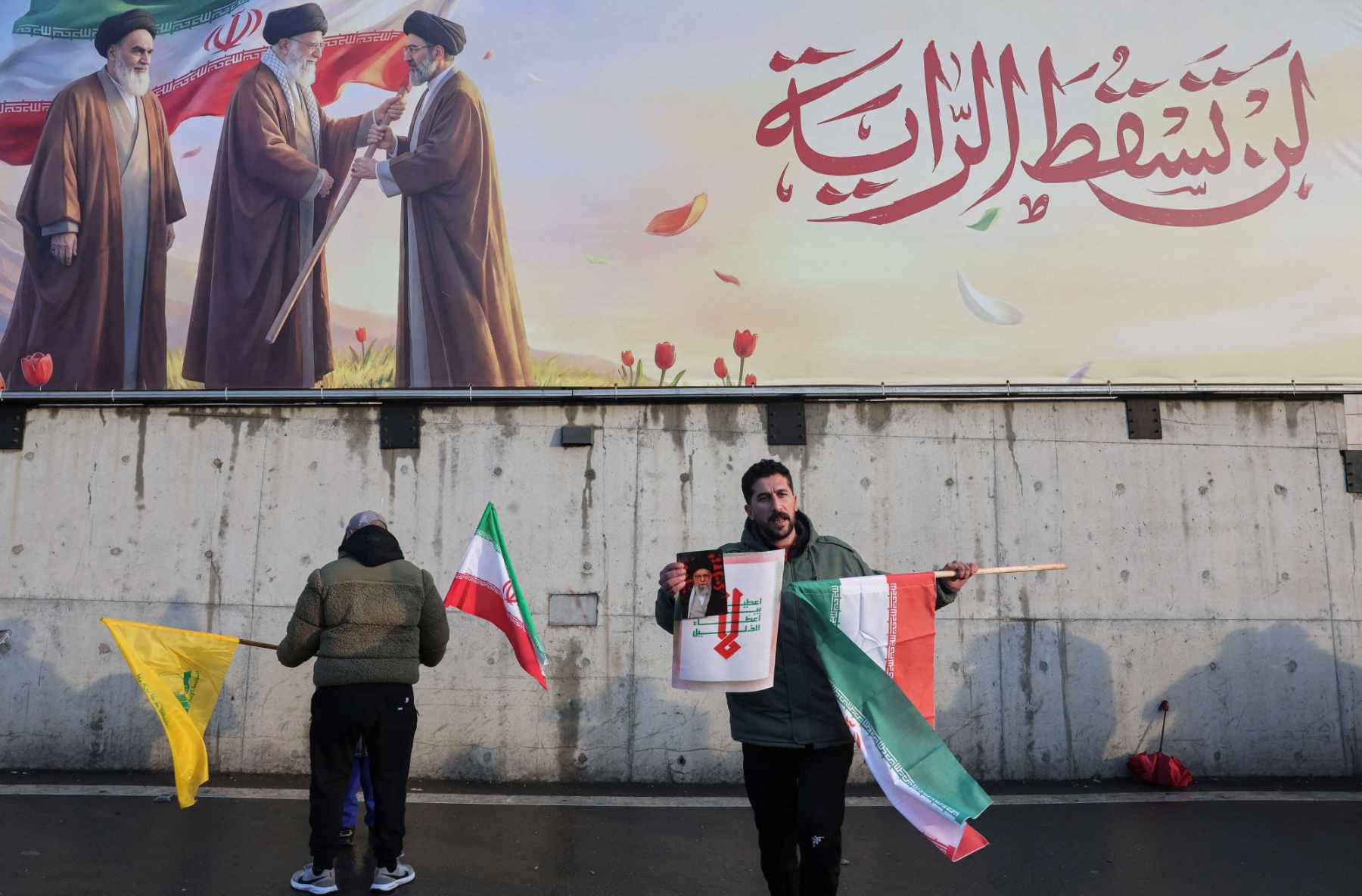
One of the clearest challenges yet to the Lebanese government’s authority
BEIRUT – Lebanon has been thrust into a deepening diplomatic and political crisis after Iran’s ambassador refused to leave the country despite an official expulsion order, exposing the limits of state authority in the face of Hezbollah’s entrenched power.
Tehran’s envoy, Mohammad Reza Sheibani, was ordered to depart by Sunday after Lebanon’s foreign ministry withdrew his accreditation, accusing him of interfering in domestic affairs. But an Iranian diplomatic source said he would remain, in line with the wishes of Hezbollah and its ally, parliamentary speaker Nabih Berri.
The standoff marks one of the clearest challenges yet to the Lebanese government’s authority as it attempts to rein in Hezbollah and reassert sovereignty during a widening regional war.
The expulsion was part of a series of unprecedented steps taken by Beirut since Hezbollah entered a new and destructive conflict with Israel in early March. Authorities have banned Hezbollah’s military activities and the presence of Iran’s Islamic Revolutionary Guard Corps, which Prime Minister Nawaf Salam has accused of directing operations from inside Lebanon.
Yet the ambassador’s defiance underscores how difficult those measures are to enforce.
Hezbollah and the Amal Movement swiftly pushed back, condemning the decision and boycotting a cabinet meeting, while their supporters took to the streets in protest. The backlash illustrates the political weight of Iran’s allies within Lebanon’s fractured system.
International reactions to the expulsion were sharply divided. Some Western officials praised Beirut’s move as a step toward restoring sovereignty, while others questioned whether the government could follow through.
The diplomatic crisis comes against the backdrop of intensifying conflict. Hezbollah has fired rockets into Israel for weeks, prompting heavy Israeli airstrikes and ground operations that have displaced more than a million people in Lebanon.
Israel has also signalled plans to expand a security buffer zone in the south, raising fears of a prolonged occupation and further destabilisation.
Despite government orders, Hezbollah continues to operate militarily, highlighting a long-standing reality in Lebanon: the coexistence of state institutions alongside a powerful armed group.
The current standoff suggests that arrangement may be reaching a breaking point.
As one Lebanese official put it privately, the issue is no longer just about expelling an ambassador, but about whether the state can impose its authority at all.