



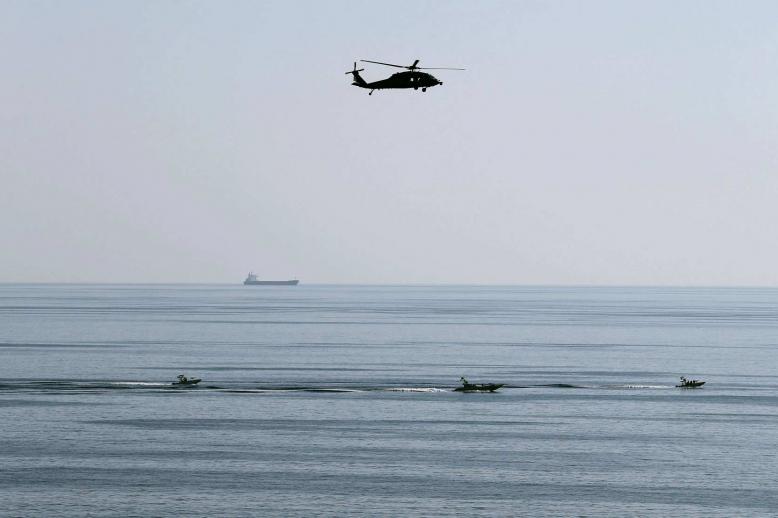
Britain is leading a group of around 40 countries seeking to come up with a military and diplomatic plan to reopen and safeguard Hormuz
Iran to let no more than 15 vessels a day to pass Strait of Hormuz
NATO Secretary General told allies that Trump wants concrete commitments within the next few days for help securing the Strait of Hormuz.
Thursday 09/04/2026
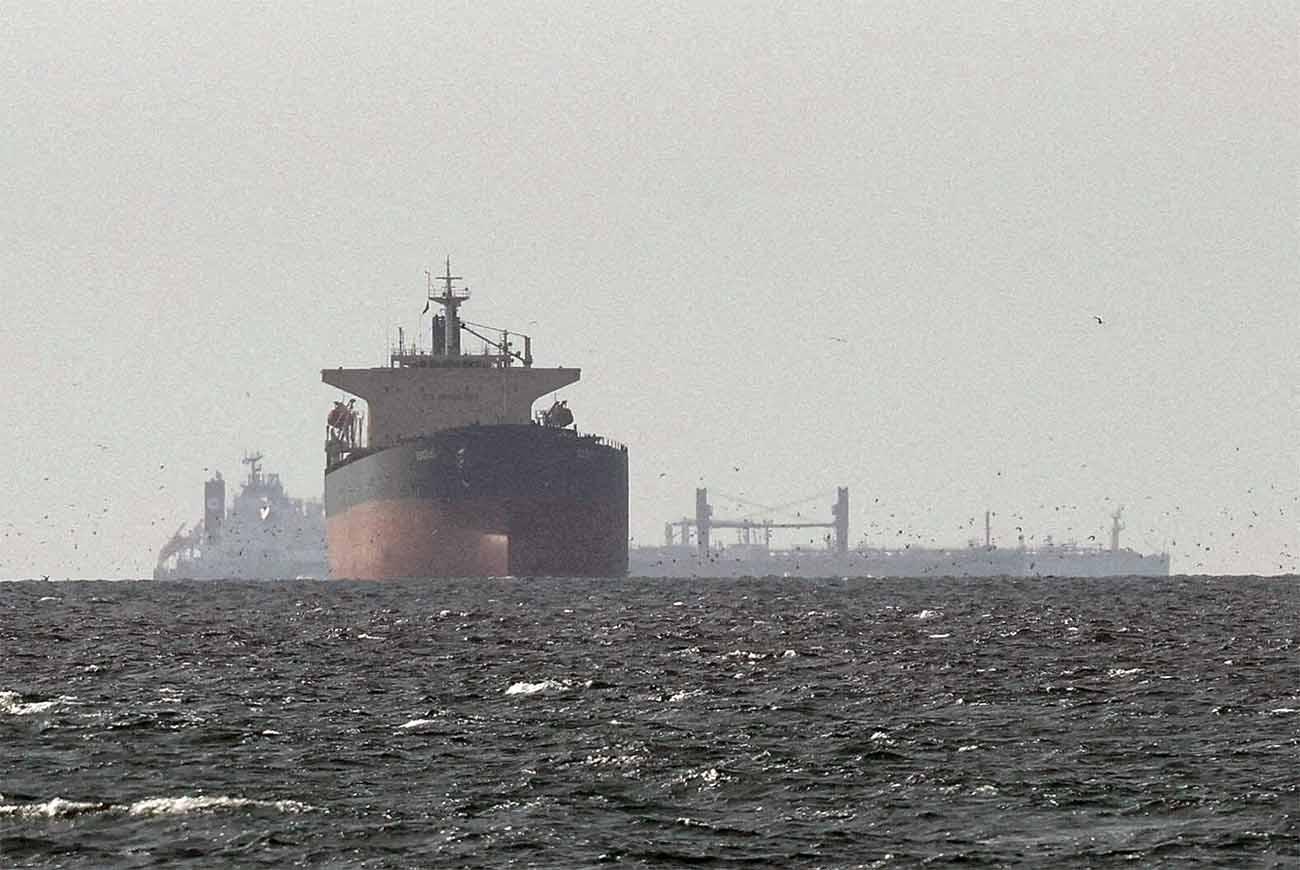
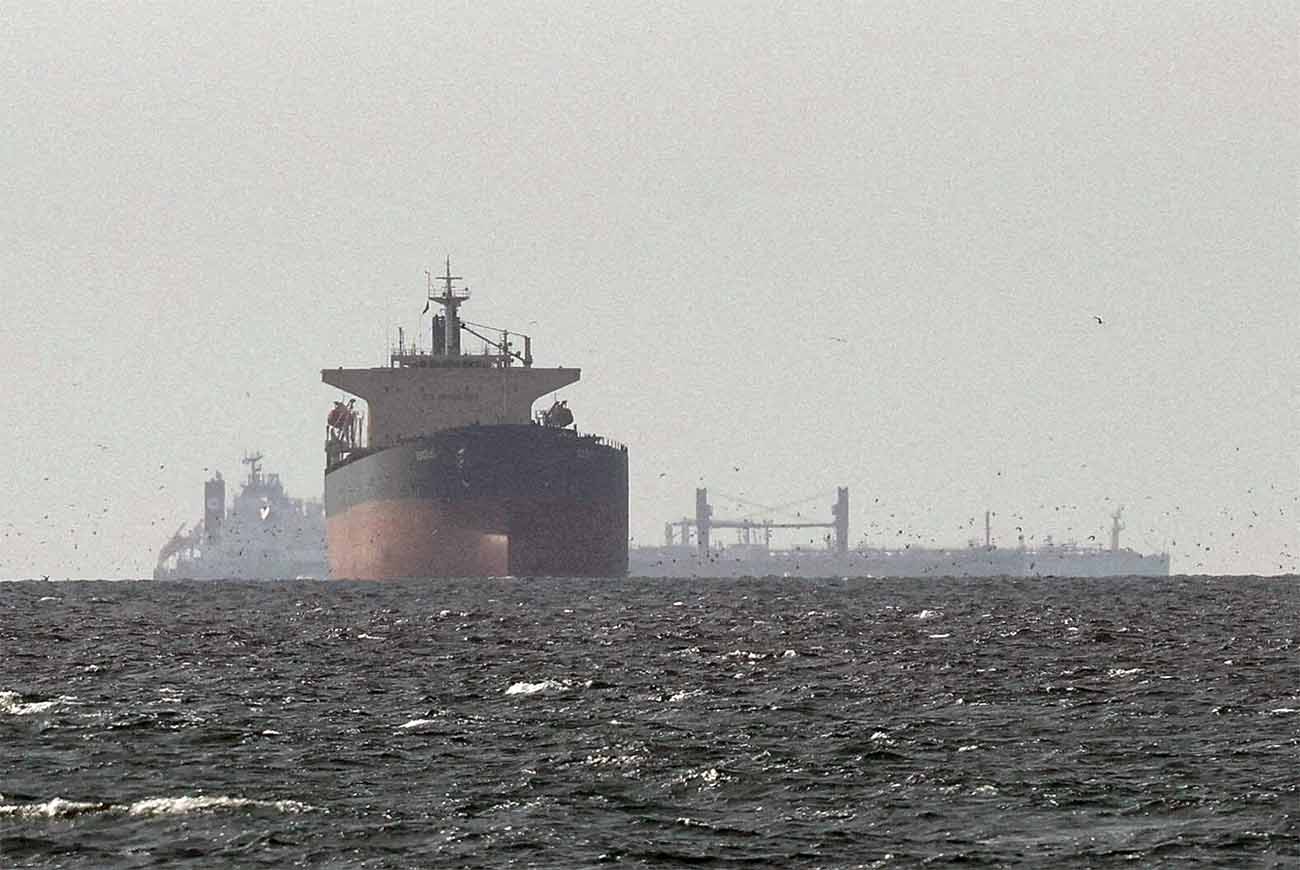
Britain is leading a group of around 40 countries seeking to come up with a military and diplomatic plan to reopen and safeguard Hormuz
MOSCOW - Iran will allow no more than 15 vessels a day to pass through the Strait of Hormuz under the ceasefire agreement it agreed with the United States, Russia's state TASS news agency quoted an unnamed senior Iranian source as saying on Thursday.
The Strait, a strip of water only 34 km (21 miles) wide between Iran and Oman, provides passage from the Gulf to the Indian Ocean and is the main route for about a fifth of world oil supplies and other vital goods including fertilisers.
It has been largely shut by Iran since the start of the conflict at the end of February, leading to a surge in global oil prices.
NATO Secretary General Mark Rutte has briefed some capitals that US President Donald Trump wants concrete commitments within the next few days for help securing the Strait of Hormuz, two European diplomats told Reuters on Thursday.
Rutte met with Trump in Washington on Wednesday, amid tensions within the alliance over the Iran war.
"We note the frustration in Washington, but they did not consult allies either before or after starting this war," said one of the diplomats.
"NATO as such would not play a role in the war against Iran, but allies want to be helpful in seeking longer-term solutions for Hormuz. With negotiations ongoing with Iran, this could be helpful," the diplomat said.
The US president has repeatedly called NATO a "paper tiger" and threatened to withdraw from the 32-member transatlantic alliance in recent weeks, arguing that Washington's European allies have relied on US security guarantees while providing inadequate support for the US-Israeli bombing campaign in Iran.
Although Trump said on Tuesday the attacks on Iran would be paused under a two-week ceasefire, the fallout from the conflict has continued to strain ties. Trump posted on Truth Social after the meeting in capitalized letters that "NATO wasn't there when we needed them, and they won't be there if we need them again."
Dutchman Rutte, known in Europe as a "Trump whisperer" and who has faced criticism for frequently praising the US leader, said in an interview with CNN after Wednesday's meeting that Trump "is clearly disappointed with many NATO allies, and I can see his point."
Britain is leading a group of around 40 countries seeking to come up with a military and diplomatic plan to reopen and safeguard Hormuz but there is little indication it will yield any near-term breakthrough. French President Emmanuel Macron said on Wednesday about 15 countries were planning to facilitate the resumption of traffic through the strait. France's foreign minister Jean-Noel Barrot said on Thursday that Hormuz would be unable to fully reopen until there was a lasting agreement between the US and Iran, while Italy and Britain said Iran's position that it could impose a toll to cross the strait was unacceptable.
"We have an ongoing track on Hormuz, which is largely unrelated to what happened in the White House yesterday," said a third European diplomat. "We know the urgency on the US side, and we know that Rutte is trying to position himself in a way that he is helpful in that conversation. We are willing to make the right noises and even the right actions down the line, but ultimately the problem is not to please the US but to have the right conditions in place," the diplomat added.