


Recovery under strain
Iran war pushes up inflation risks as Egypt growth forecasts fall
Growth slumped to 2.4 percent in 2023/24 but rebounded after March 2024 when Egypt sharply devalued its currency and raised interest rates.
Sunday 26/04/2026
Recovery under strain
CAIRO – Analysts have shaved their forecasts for Egyptian economic growth in a Reuters poll for this year and next as the Iran war drives up energy prices and puts pressure on inflation.
Gross domestic product growth will be 4.6 percent in the year to June, 4.6 percent next year and 5.5 percent in 2027/28, according to the median estimate of 12 economists surveyed April 8-23.
In a January poll, before the war broke out, economists had predicted growth of 4.9 percent, thinking reforms taken under an International Monetary Fund (IMF) programme two years earlier were bearing fruit faster than anticipated.
"We expect energy prices to remain high in the coming quarters, even after the normalisation of flows through the Strait of Hormuz. It will fuel inflationary pressure in Egypt," said Pascal Devaux of BNP Paribas.
"In this context, we expect a slowdown in activity in Egypt, but not a sharp drop."
Growth slumped to 2.4 percent in 2023/24 but rebounded after March 2024 when Egypt sharply devalued its currency and raised interest rates as part of an $8 billion IMF financial support package.
The central bank, citing the Iran war, this month revised down its year-on-year GDP growth forecast for fiscal 2025/26 to 4.9 percent from the 5.1 percent it had predicted in February.
Last week the IMF likewise chopped its projected growth to 4.2 percent in calendar 2026 from an earlier estimate of 4.7 percent.
In addition to raising energy prices, the war could also hurt tourism in Egypt, slow the flow of remittances from Egyptians working in the Gulf and reduce tolls from ships passing through the Suez Canal.
The poll forecast inflation would average 13.5 percent in 2025/26, 12.00 percent in 2026/27 and 9.0 percent in 2027/28. Economists had put inflation at 11.6 percent, 9.1 percent and 8.2 percent in the last poll.
"Inflation is already high and if the conflict in the Middle East continues, and oil prices remain elevated, this will sustain upward pressure on inflation," Harry Chambers of Capital Economics said.
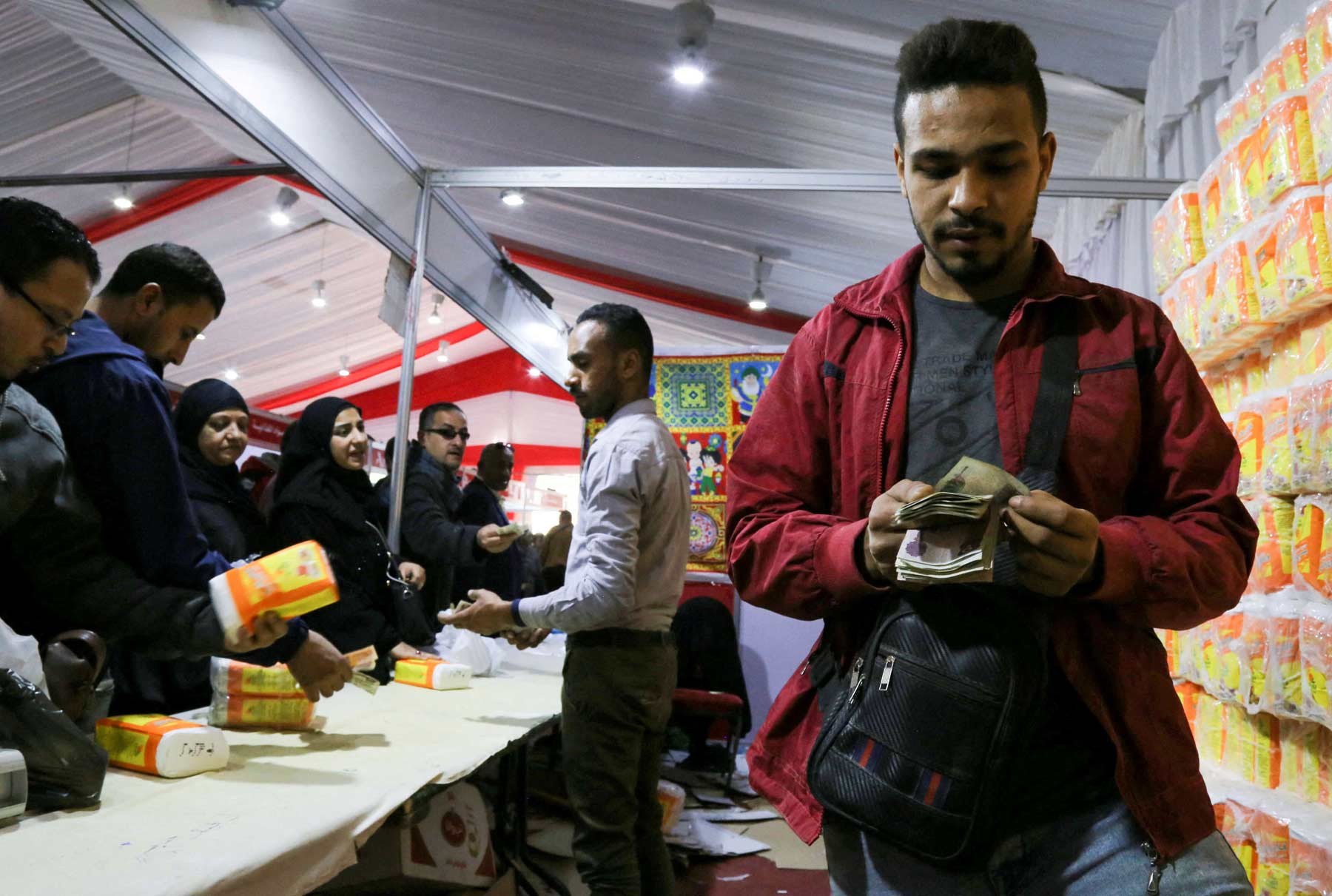
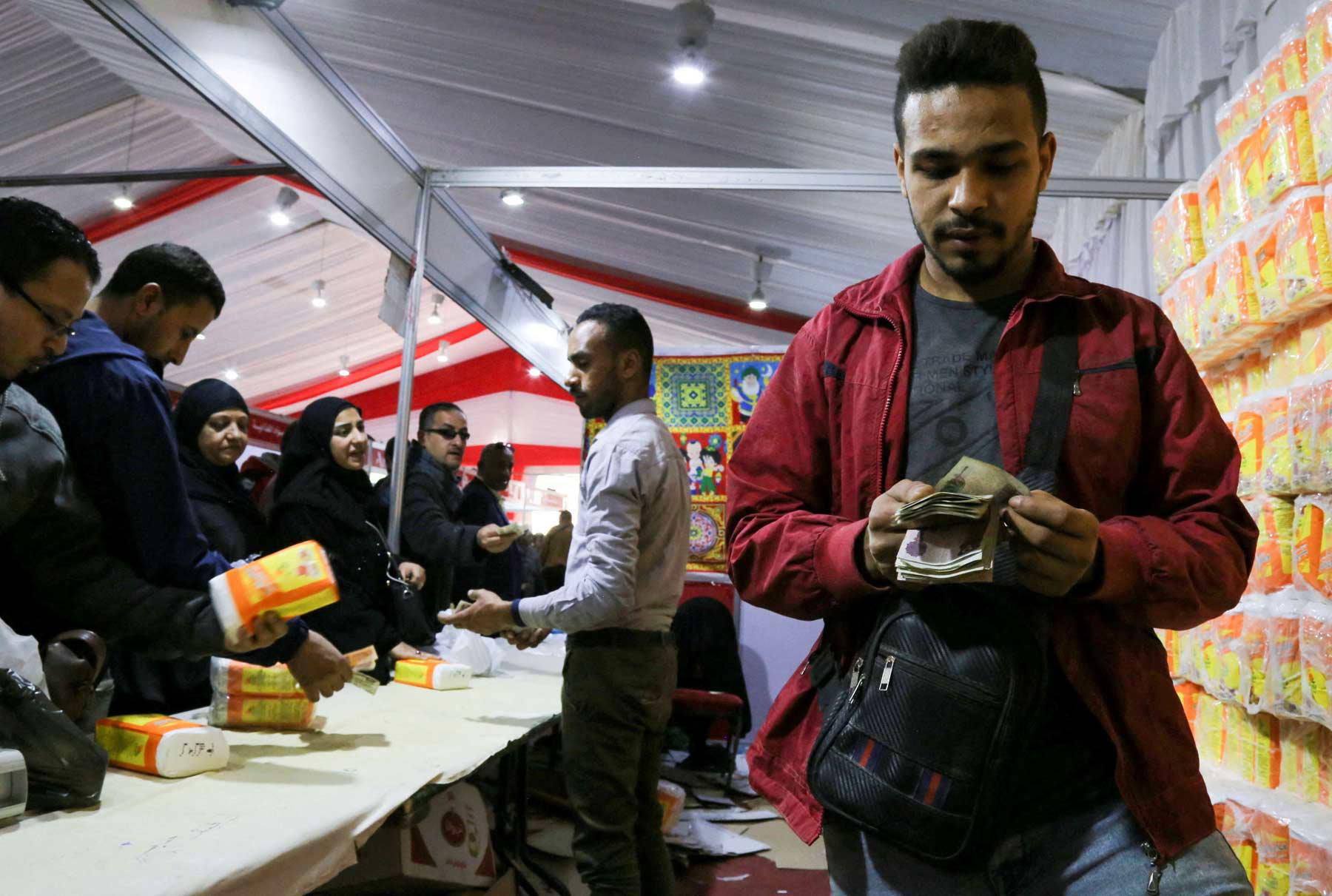
Egypt's annual urban consumer inflation increased to a faster-than-expected 15.2 percent in March from 13.4 percent in February, according to the state statistics agency CAPMAS.
The Iran conflict is seen pushing the central bank to slow an easing cycle of its overnight interest rates begun a year ago.
Analysts forecast the lending rate to still be 20.00 percent by end-June, then slip to 17.0 percent by end-June next year and 13.25 percent end-June 2028. Analysts in the January survey had expected a 200 basis point cut by January and another 500-point cut by June 2027.
The central bank cut its benchmark rate five times in 2025 and yet once again in February for a cumulative drop of 825 basis points.
Contributors expected the Egyptian pound to inch weaker to 51.58 to the US dollar by end-June 2026 from its current 51.06 pounds. It is expected to be 51.50 by end-June 2027 and 51.85 at the end of June 2028.