

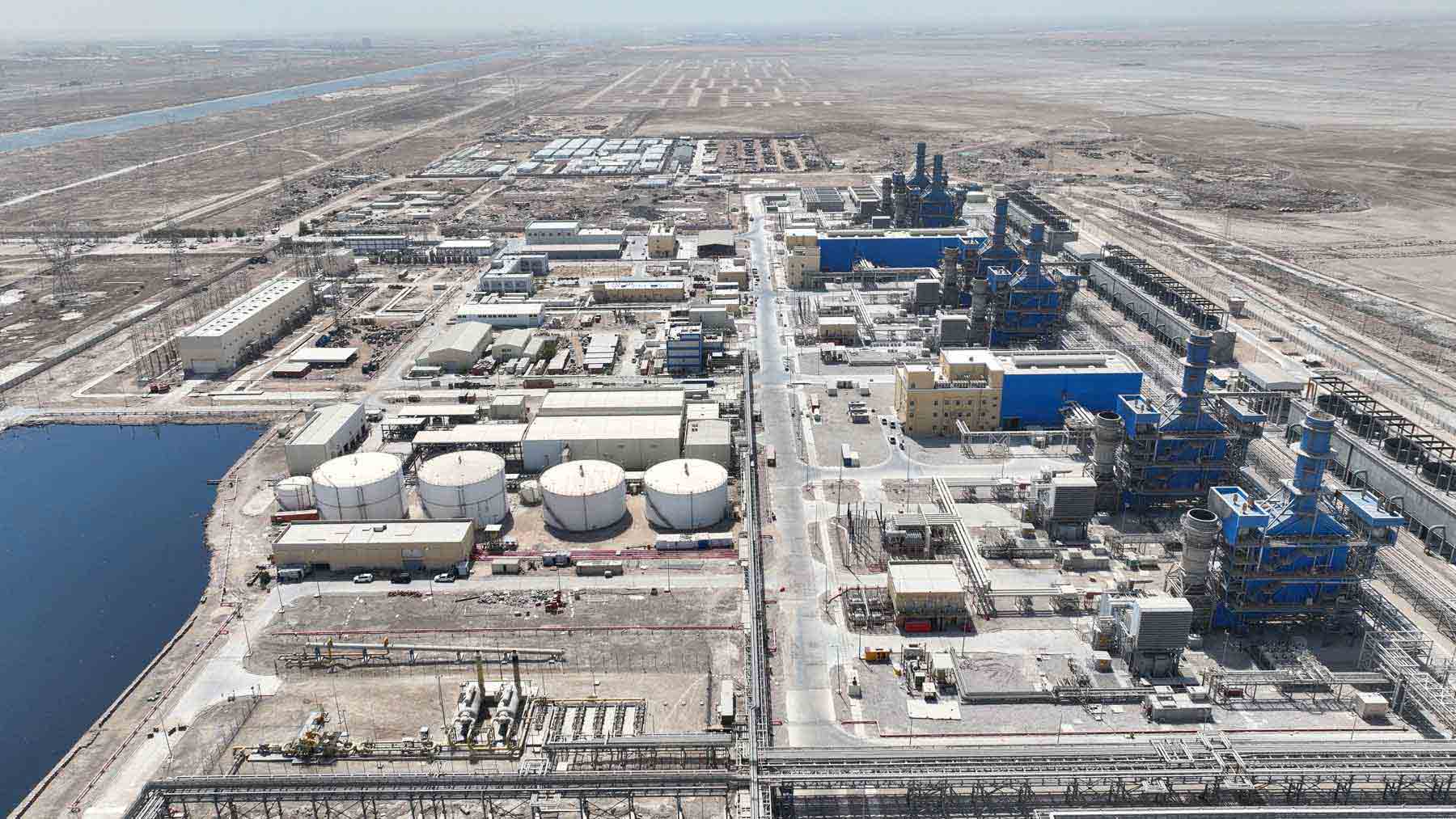
Stable gas supplies remain essential to ensure grid stability
Iranian gas supply resumes as Iraq seeks to stabilise power sector
Domestic gas production falls far short of demand. At peak winter, Iraq consumes over 48,000 megawatts, yet local generation only reaches around 27,000 megawatts.
Thursday 26/02/2026
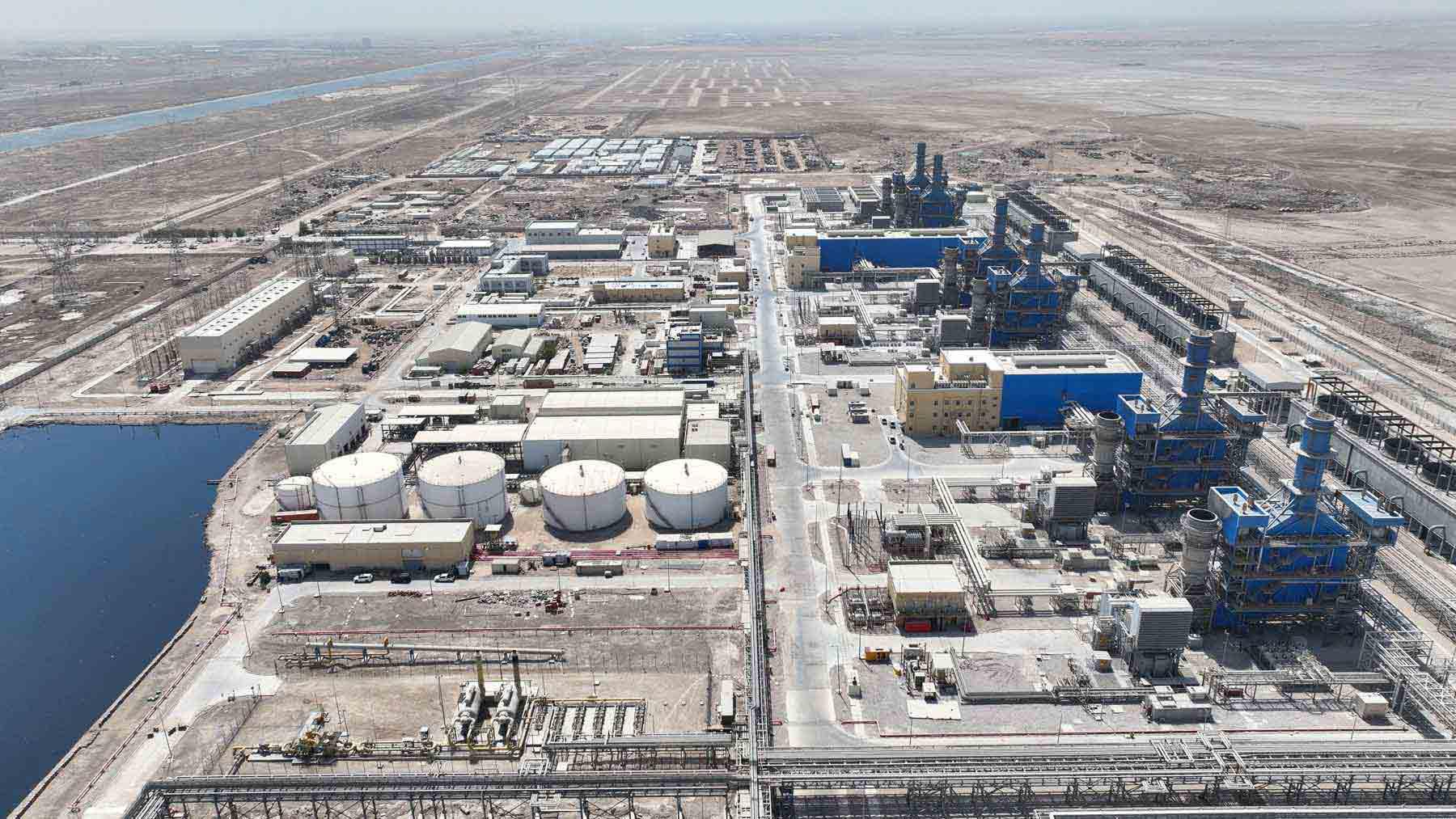
Stable gas supplies remain essential to ensure grid stability
BAGHDAD – Iranian gas exports to Iraq have resumed at a rate of seven million cubic metres per day, a spokesperson for the Iraqi Ministry of Electricity confirmed on Wednesday, offering some relief to a country long plagued by chronic energy shortages.
The resumption follows a halt in Iranian gas deliveries in December, which coincided with the shutdown of several generating units and widespread load shedding across the country. Gas from Iran accounts for 40 percent of Iraq’s power needs, making it a critical lifeline for the national electricity grid.
The interruption of gas exports resulted in the loss of between 4,000 and 4,500 megawatts of electricity, according to the ministry.
“The suspension of gas exports by Iran to Iraq has had a direct impact on the power stations that provide electricity to Baghdad, the central regions, and the south,” said Ahmed Musa, spokesperson for the ministry of electricity.
Gas imports remain vital as Iraq’s domestic production falls far short of demand. At peak winter, the country consumes over 48,000 megawatts, yet local generation only reaches around 27,000 megawatts. Even under normal conditions, Iraq produces between 20,000 and 25,000megawatts, leaving a substantial shortfall that has historically forced reliance on imported fuel.
The suspension, which began on January 24, dealt a heavy blow to the national grid and forced electricity production down to roughly seventeen thousand megawatts, leaving Iraq exposed ahead of the hot summer season when demand is expected to exceed 30,000 megawatts.
The disruption is also closely tied to international developments. In March last year, the United States ended a sanctions waiver that had previously allowed Baghdad to purchase electricity from Iran, part of former President Donald Trump’s maximum pressure campaign against Tehran.
Following the waiver’s expiry, Iraqi Prime Minister Mohammed Shiaa al-Sudani urged energy officials to explore alternative options, including expanding domestic natural gas production and importing electricity from neighbouring countries such as Jordan, Turkey and Turkmenistan.
At the same time, Iraq is moving to diversify its energy mix. Last year, the ministry announced it was close to signing agreements with companies based in the United Arab Emirates and Saudi Arabia to develop solar power projects. Officials say this is part of a broader push to reduce reliance on imported fuel and build a more sustainable energy infrastructure.
With summer temperatures in Iraq frequently exceeding 50 degrees Celsius, stable gas supplies remain essential to prevent widespread blackouts and ensure grid stability.
The resumption of Iranian gas exports offers some immediate relief, but Iraq continues to face structural energy challenges that require a combination of domestic production, regional imports and investment in renewable energy to secure long-term power stability.