



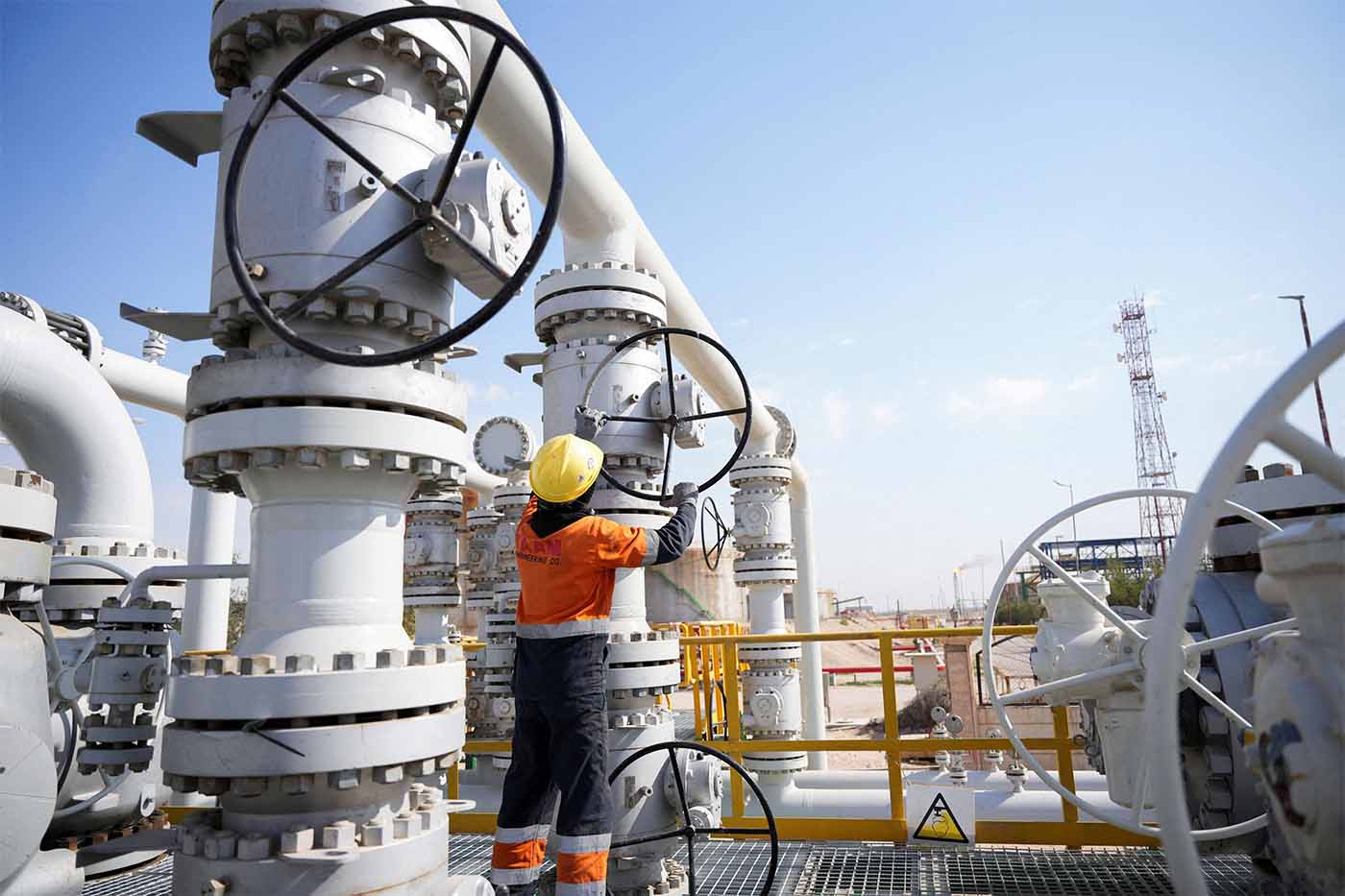
Rumaila oil field
Iraq in contact with Iran to allow oil tankers through Strait of Hormuz
Iraq is also working to resume exports through the Kirkuk-Ceyhan pipeline to Turkey as it seeks to offset disruptions to shipments caused by the Hormuz crisis.
Tuesday 17/03/2026
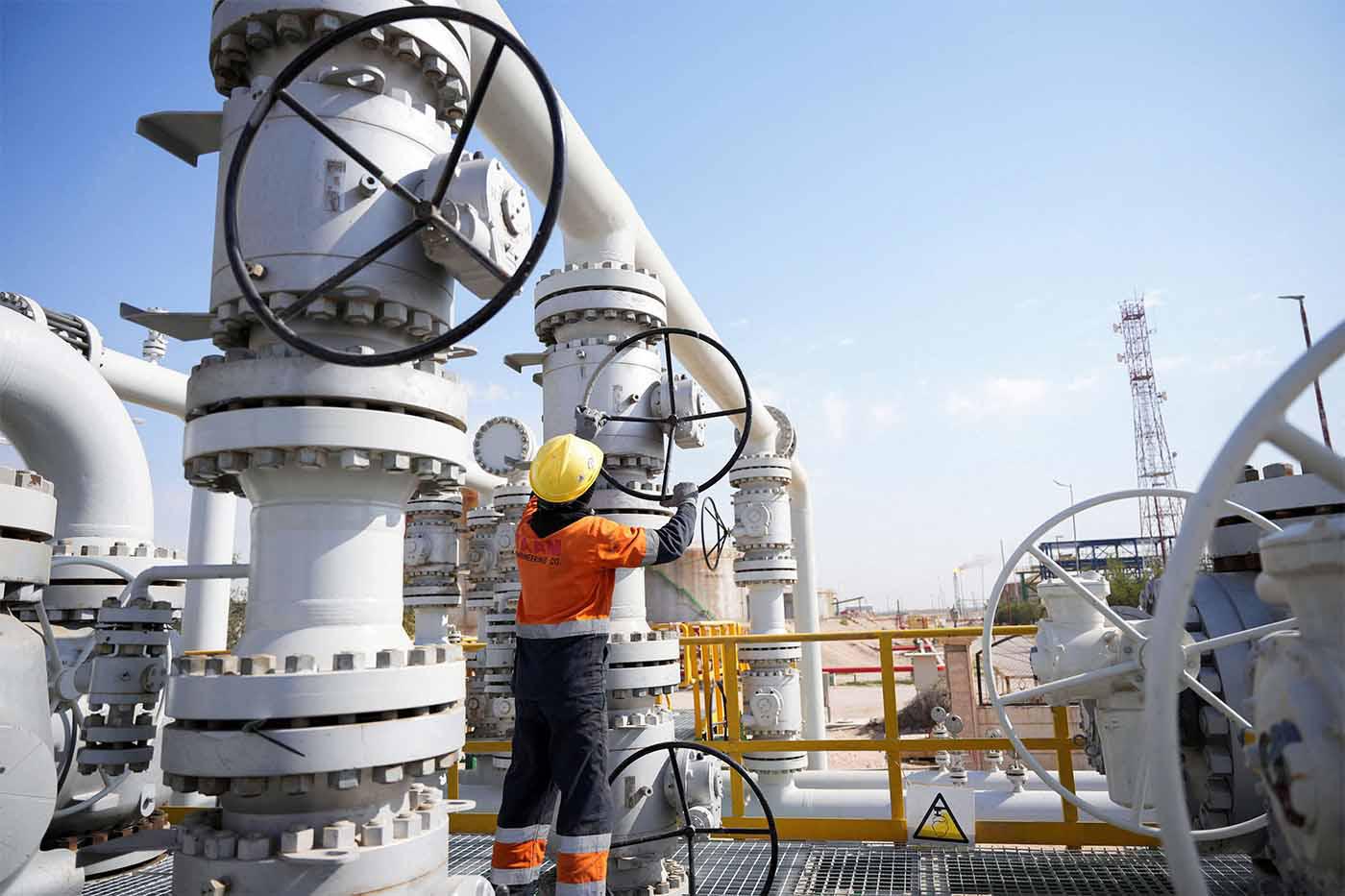
Rumaila oil field
DUBAI - Iraq's oil minister Hayan Abdul Ghani said Baghdad is in contact with Iran to allow some oil tankers to pass through the Strait of Hormuz, the state news agency reported on Tuesday.
Iraq is also working to resume exports through the Kirkuk-Ceyhan pipeline to Turkey as it seeks to offset disruptions to shipments caused by the Hormuz crisis, after some vessels were attacked off the Iraqi coast during transfers.
The Strait of Hormuz, the narrow chokepoint connecting the Persian Gulf to the open ocean, handles roughly one-fifth of global seaborne oil trade under normal conditions—around 20 million barrels per day in recent years.
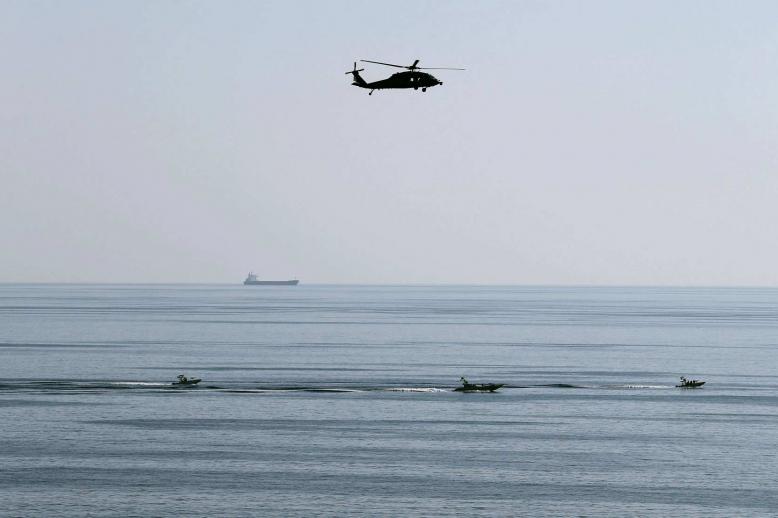
Since the conflict escalated on February 28, with joint US and Israeli strikes on Iran, Tehran has effectively closed the strait to most international shipping. Iranian forces, including the Islamic Revolutionary Guard Corps (IRGC), have threatened or carried out attacks on vessels attempting to pass, leading to a dramatic drop in traffic.
Hundreds of tankers remain idle, oil prices have surged above $100 per barrel at times, and regional producers like Iraq have seen sharp declines in output and exports.
Iraq, one of the OPEC members most dependent on southern Gulf terminals (such as Basra), has been particularly hard-hit. Pre-conflict production hovered around 4.3 million barrels per day (bpd), but reports indicate a plunge of 60-70% in southern fields due to tanker shortages and blocked exports. Storage facilities have filled rapidly, forcing shutdowns at major sites like Rumaila. This disruption threatens Iraq's economy, where oil revenues account for the vast majority of government income.
In response, Iraq's oil minister stated that Baghdad is in talks with Iran to permit "some oil tankers" to navigate the strait. The negotiations align with Iran's selective approach to the blockade. Tehran has maintained that the strait remains open to non-hostile parties while barring US, Israeli, and allied vessels. Iran's own oil exports have continued relatively unimpeded—estimates suggest millions of barrels have transited since late February—providing crucial revenue for its war effort.
Iran's ambassador to Iraq, Mohammad Kazem Al-Sadeq, has outlined conditions for passage: tankers must clearly declare their identity, destination, and ownership, and avoid links to US or Israeli companies.
Similar exceptions have been granted to vessels from countries like India, Pakistan, and Turkey following bilateral discussions, often involving assurances or alternative payment terms (such as using Chinese yuan for some cargoes). Iraq's proximity to Iran, shared border, and ongoing economic ties—including natural gas imports from Iran that reportedly tripled recently—may facilitate such an arrangement.