


On edge
Iraq mourns Khamenei as Iran-backed militias demand escalation
Grand Ayatollah Ali al-Sistani, the country’s most senior cleric, urged Iranians to remain united in the face of what he called aggression aimed at destabilising the Islamic Republic.
Sunday 01/03/2026
On edge
BAGHDAD – Iraq’s government declared three days of national mourning on Sunday following the killing of Iran’s Supreme Leader Ayatollah Ali Khamenei in US-Israeli strikes, as anger surged among powerful Iran-backed factions and protesters attempted to storm the US embassy compound in Baghdad.
In a statement, the office of Prime Minister Mohammed Shiaa al-Sudani condemned what it described as a “blatant act of aggression” that violated international law and humanitarian norms. The government called for an immediate and unconditional halt to military operations that it said were pushing the region towards “unprecedented levels of violence” and undermining international peace and security.
Iranian state television had earlier confirmed Khamenei’s death in wide-ranging strikes on Tehran on Saturday. Tehran declared 40 days of official mourning, closed government offices for seven days and issued statements from the Revolutionary Guards and the army vowing revenge.
Iraq, where Iran wields deep political and military influence, reacted swiftly. Grand Ayatollah Ali al-Sistani, the country’s most senior Shiite cleric, urged Iranians to remain united in the face of what he called aggression aimed at destabilising the Islamic Republic. He expressed condolences to the Iranian people and said their unity would be crucial in thwarting the goals of their enemies.
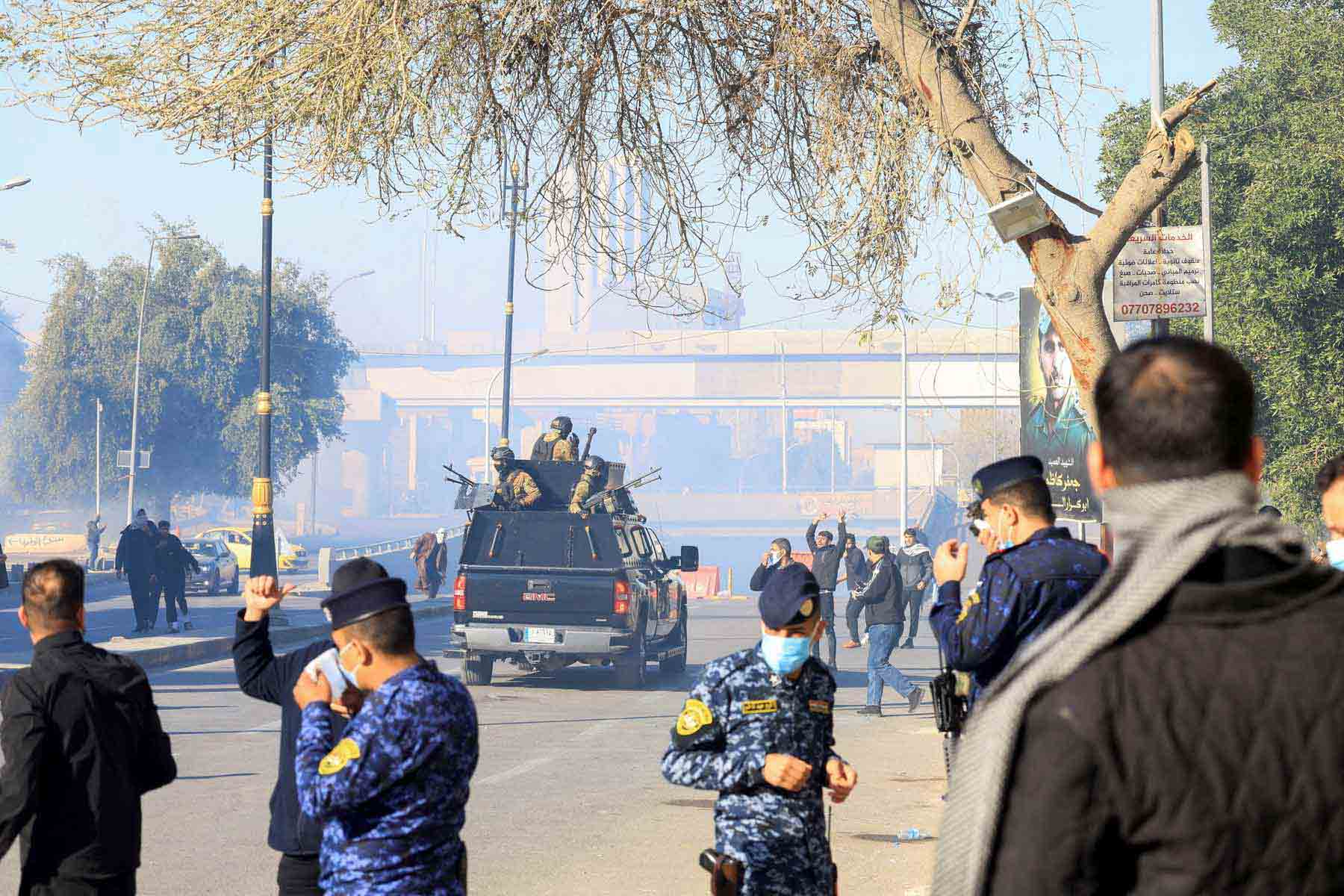
In Baghdad, hundreds of protesters gathered from the early hours of Sunday outside the fortified Green Zone, which houses the US embassy. Iraqi security forces used tear gas and water cannon to disperse demonstrators, many of them supporters of Iran-aligned armed groups, who attempted to breach concrete barriers near the Suspension Bridge leading into the compound.
Video footage circulating on social media showed riot police pushing back crowds amid heightened tension at entrances to the presidential and diplomatic district.
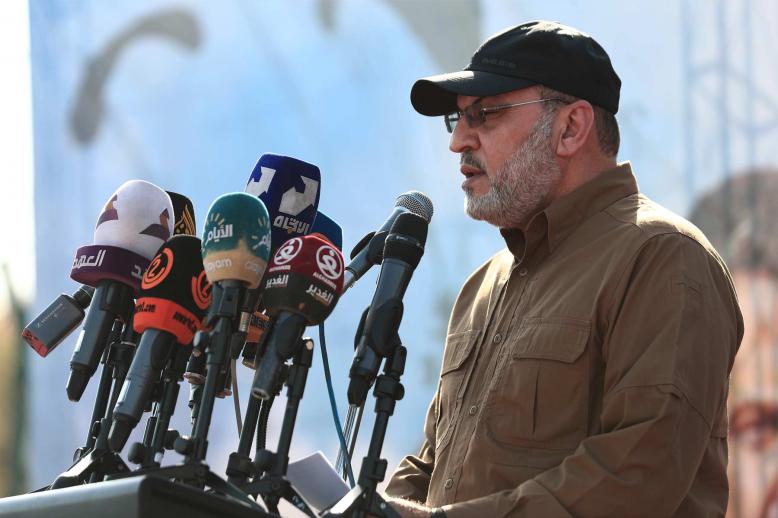
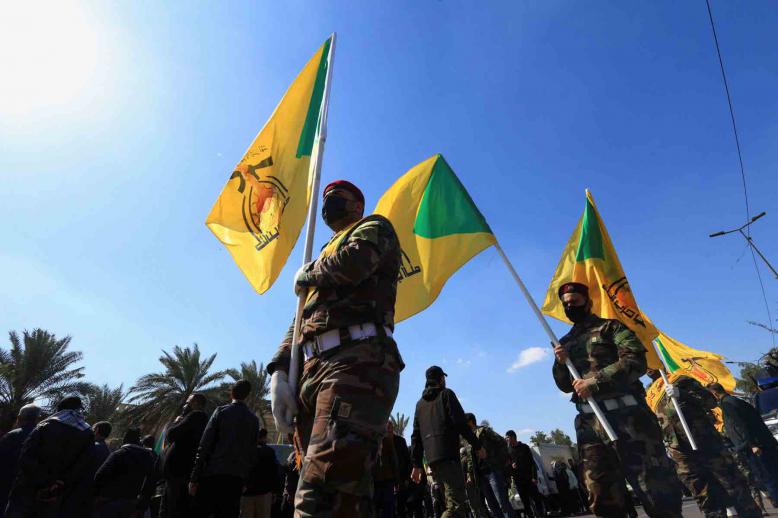
Iran-backed militias in Iraq called for escalation. Kataib Hezbollah described the current moment as a decisive turning point in the conflict and urged armed factions in Palestine, Lebanon and Syria to intensify confrontation with Israel and US forces. The group called for operations inside Israeli territory, framing them as retaliation for what it described as bloodshed across the region.
Harakat al-Nujaba, another powerful faction, said neutrality was “no longer an option” in what it termed a decisive regional confrontation. Its leader, Akram al-Kaabi, called for a long war of attrition against US military presence in Iraq and the wider region, insisting that the path of “resistance” would continue.
Iraq’s Foreign Ministry condemned attacks that targeted areas in central Iraq and in the autonomous Kurdistan region, describing them as a direct threat to national stability. A drone crashed near Erbil International Airport early Sunday, according to local media. The airport hosts a US military base.
Kurdistan’s Counter-Terrorism Service said several armed drones and rockets had been intercepted around Erbil on Saturday by coalition forces fighting Islamic State. No casualties or material damage were reported. Authorities did not identify who launched the projectiles.
The Iraqi government warned that such attacks appeared designed to drag the country into the wider regional war. It reiterated its long-standing position in favour of dialogue and negotiations, noting that Baghdad had supported recent talks between Iran and the United States.
The Foreign Ministry also condemned the ongoing military campaign against Iran and warned that any expansion of the conflict would endanger all states in the region. It expressed solidarity with neighbouring countries and rejected attacks on Gulf states, calling for respect for sovereignty and adherence to international law to prevent further escalation.
Khamenei’s death has intensified Iraq’s precarious position. For decades, the country has been a proxy battleground between Washington and Tehran. Iran maintains close ties with influential Shiite political blocs grouped under the Coordination Framework, which issued a statement mourning the “martyred leader” and declaring that his legacy would endure.
Cleric Moqtada al-Sadr also announced three days of mourning, expressing condolences to the wider Islamic world.
With tensions rising, Iraq now finds itself once again balancing between its powerful neighbour Iran, entrenched militia networks and its strategic relationship with the United States, as the wider Middle East edges towards a potentially broader confrontation.