


A heavy reliance on imports
Iraq taps UAE expertise to boost local automotive industry
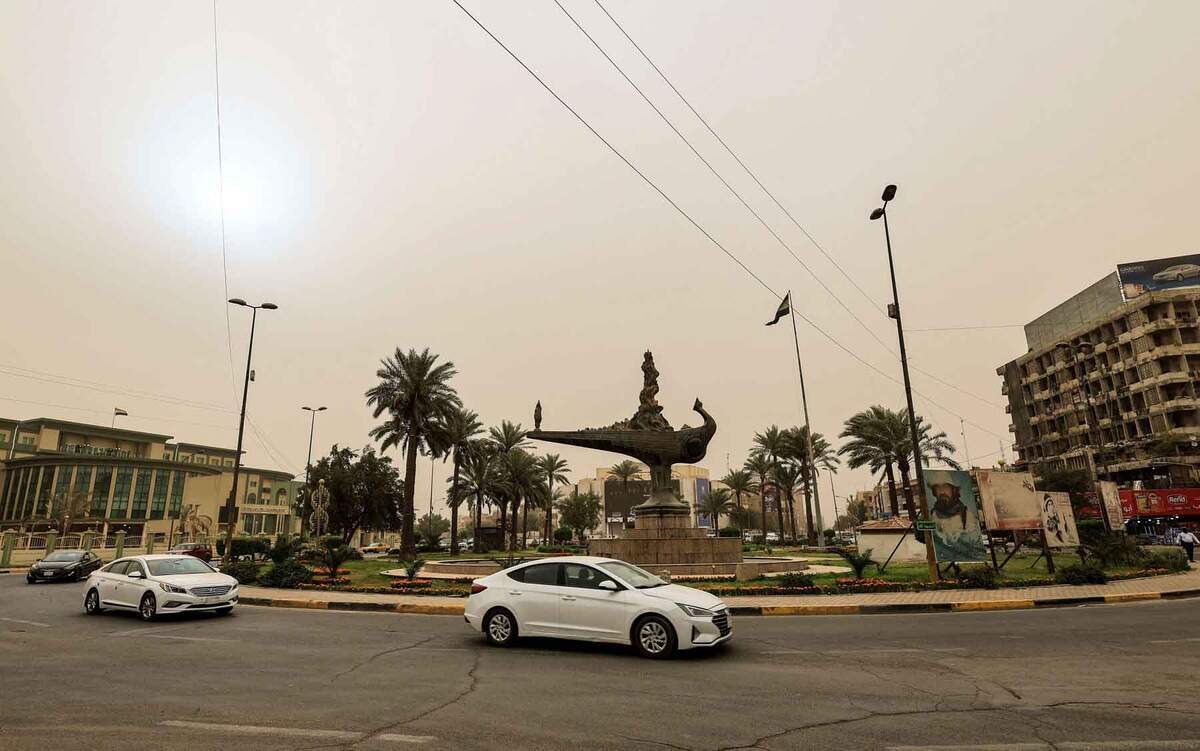
For Iraq, the drive to assemble and manufacture vehicles locally comes amid a heavy reliance on imports. In 2024, the country imported over $700 million worth of Japanese vehicles.
Monday 16/02/2026

A heavy reliance on imports
BAGHDAD – Iraq is aiming to capitalise on the United Arab Emirates’ advanced automotive industry, signing a landmark partnership to develop a fully integrated vehicle assembly and production system. On Sunday, the General Company for Automotive and Equipment Industry, a subsidiary of Iraq’s Ministry of Industry and Minerals, announced agreements with both Emirati and local firms to create a comprehensive manufacturing ecosystem. The initiative will cover buses, light trucks, passenger cars, heavy trucks, and specialised equipment, alongside technical and engineering collaboration with leading international automotive companies.
Officials from the UAE highlight that their country offers significant advantages for automotive manufacturing, including state-of-the-art infrastructure, highly skilled labour, experience in vehicle production, industry incentives, and streamlined export-import channels thanks to a strategic geographic position. The UAE already produces several components for luxury vehicles and has built a robust industrial base encompassing a wide range of materials and parts.
Dana Saadallah Saeed, Director General of Iraq’s automotive company, described the agreement as part of a national vision to localise industrial production, reduce import dependence, and open new avenues for industrial investment in support of Iraq’s economy. “This partnership represents a crucial step towards developing Iraq’s automotive industry and fostering economic growth,” she said in a statement.
Earlier this month, the company marked a milestone by producing the first batch of 360 Kia 2700 field vehicles at its Babil assembly plant, fully assembled by Iraqi hands in partnership with Kia Motors of South Korea.
The production line involved eight major stages, including chassis assembly, installation of fuel and cooling systems, body integration, technical and engineering inspections, and road testing under direct quality control supervision. This batch represents the first of a planned 1,000 vehicles to be produced locally.
Iraq has also previously signed agreements with international firms from Germany, China, and Brazil to establish car production lines in the country.
The ministry’s spokesperson Mohammed Hanoun confirmed that the project is proceeding in line with technical and regulatory procedures in collaboration with multiple multinational partners. He added that the initiative aligns with the broader goal of promoting a “Made in Iraq” label, creating local jobs, and producing affordable, environmentally friendly vehicles.
The new partnership with UAE companies is expected to provide a major boost to Iraq’s domestic industry. Abu Dhabi is among the fastest-growing automotive markets globally, with the sector playing a key role in driving economic growth.
The rapid adoption of electric vehicles and advanced automotive technologies in recent years has accelerated industrial transformation, and the market is projected to expand by 10 percent by 2030. Growth areas include electric vehicles, advanced technologies, aftermarket parts, and digital systems, with the UAE increasingly focused on local production.
For Iraq, the drive to assemble and manufacture vehicles locally comes amid a heavy reliance on imports. In 2024, the country imported over $700 million worth of Japanese vehicles, while South Korea’s Kia brand registered the fastest growth in domestic sales. Analysts say that the combination of foreign expertise, local production capacity and strategic investment could mark the beginning of a new era for Iraq’s automotive sector, reducing import dependence and providing opportunities for skilled employment and economic diversification.
By leveraging UAE know-how and fostering international partnerships, Iraq seeks not only to build vehicles but also to establish an industrial ecosystem capable of supporting a long-term economic transformation.