

Israeli occupation puts ceasefire on shaky ground
Israel, Lebanon to hold first talks since ceasefire as US pushes extension
Lebanese Parliament Speaker Nabih Berri told the pan-Arab Asharq al-Awsat that the United States is making an effort to extend that 10-day ceasefire between Israel and Lebanon.
Monday 20/04/2026
Israeli occupation puts ceasefire on shaky ground
JERUSALEM – Israeli and Lebanese representatives will hold talks in Washington on Thursday, an Israeli source speaking on the condition of anonymity said on Monday.
Israel will be represented by its ambassador to the United States Yechiel Leiter, the source added.
The Lebanese delegation for the bilateral negotiations will be led by former ambassador to the United States Simon Karam, President Joseph Aoun confirmed on Monday.
In parallel, Lebanese Parliament Speaker Nabih Berri told the pan-Arab Asharq al-Awsat that the United States is making an effort to extend that the ceasefire. Berri spoke to the newspaper after a meeting with the US ambassador to Lebanon Michel Issa.
In a parallel development, Lebanese Energy Minister Joe Saddi said that a map published by the Israeli military showing a “naval forward defence area” extending from the Lebanese coastline into the sea does not impact the maritime border agreed between Lebanon and Israel in 2022.
“From a legal point of view, this map doesn’t change anything about the fact that there is a maritime border agreement,” he said. “Very simply, the agreement is in effect and nothing is changing.”
That map was published on Sunday, days after the ceasefire with Hezbollah took effect, and came alongside a separate Israeli military map of a new ground deployment line inside Lebanon.
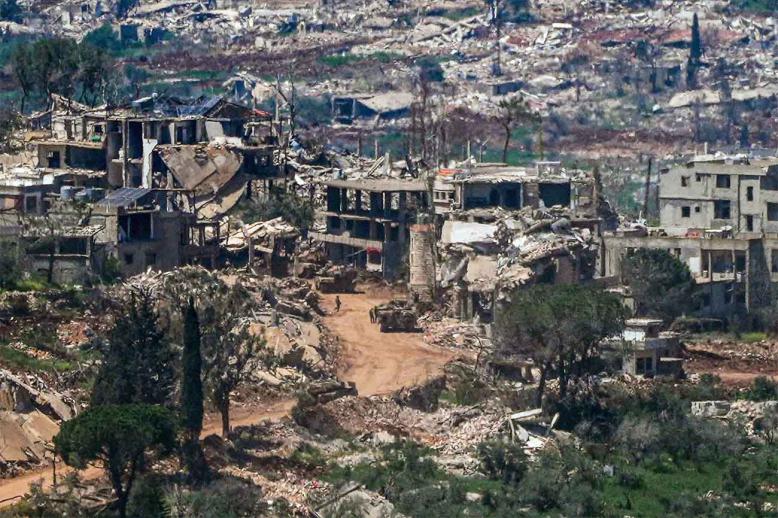
Stretching east to west, that line runs 5-10 km deep from the border, bringing dozens of mostly abandoned Lebanese villages under Israeli control. The military said five divisions, alongside naval forces, are operating south of what it called the “forward defence line” to dismantle Hezbollah infrastructure and prevent threats to northern Israeli communities.
Israeli military on Monday warned residents in southern Lebanon not to move south of a specified line of villages or approach areas near the Litani River, saying its forces remain deployed in the area during a ceasefire due to what it described as continued Hezbollah activity.
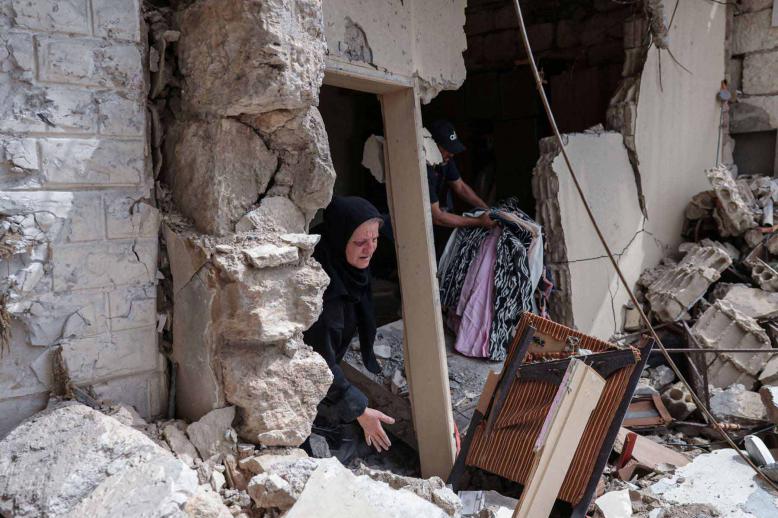
In a statement, military spokesman Avichay Adraee also urged civilians not to return to multiple border villages until further notice, citing security risks.
Defence Minister Israel Katz said on Sunday that homes on the border exploited by Hezbollah would be demolished and that any structure threatening Israeli soldiers or any road suspected of being planted with explosives must be immediately destroyed. There was no immediate comment from Lebanese officials or from Iran-backed Hezbollah.
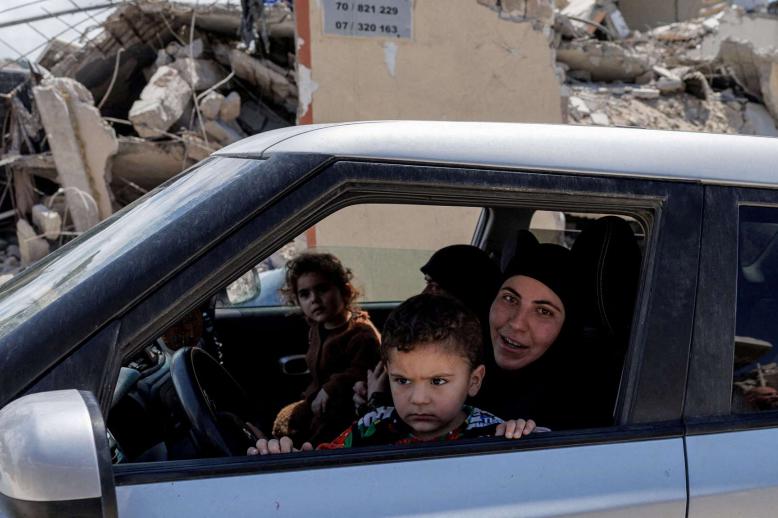
Lebanese civilians have been able to access some villages on or beyond the Israeli-set line, but Israeli forces still prevent people from accessing most of those south of the line, a Lebanese security source said. The ceasefire deal, which followed the first direct talks in decades between Israel and Lebanon on 14 April, is meant to enable broader US-Iran negotiations but with Israeli forces maintaining positions deep inside southern Lebanon.
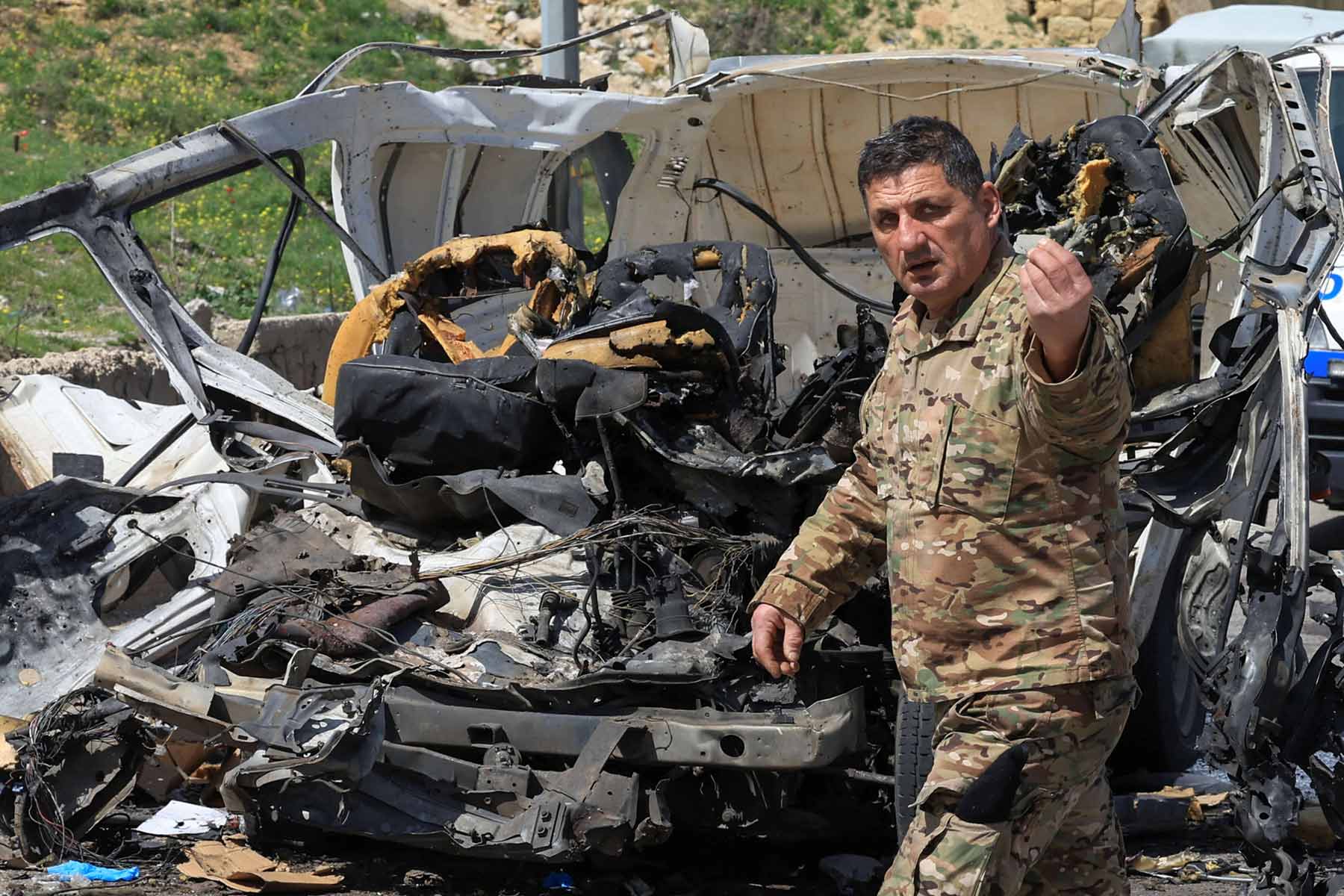
Lebanon was dragged into the war on 2 March, when Hezbollah opened fire in support of Tehran, prompting an Israeli offensive that has killed more than 2,100 people, including 177 children, and forced more than 1.2 million to flee, according to Lebanese authorities. Hezbollah has fired hundreds of rockets and drones at Israel, killing two civilians, while 15 Israeli soldiers have died in Lebanon since 2 March, Israel says.