

A particularly strong surge in footfall
Jeddah draws vast Ramadan crowds amid heritage revival drive
For many, the revival of Old Jeddah is about more than seasonal celebration. It represents a broader effort to preserve a past that underpins national identity.
Thursday 26/02/2026
A particularly strong surge in footfall
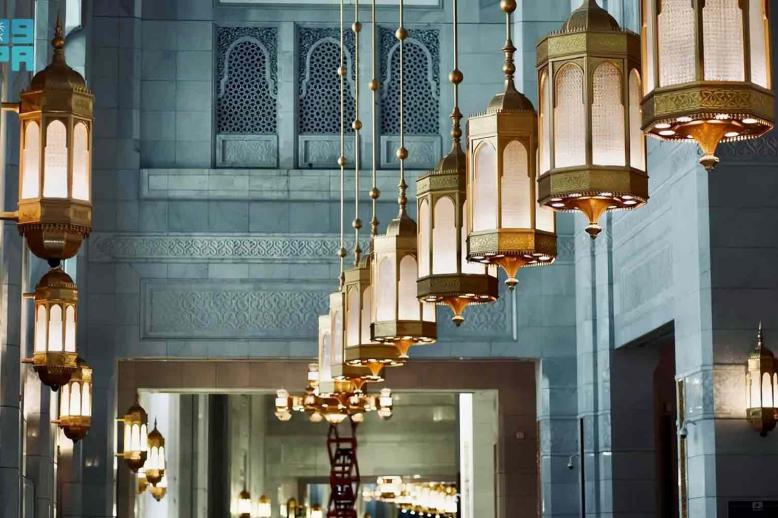
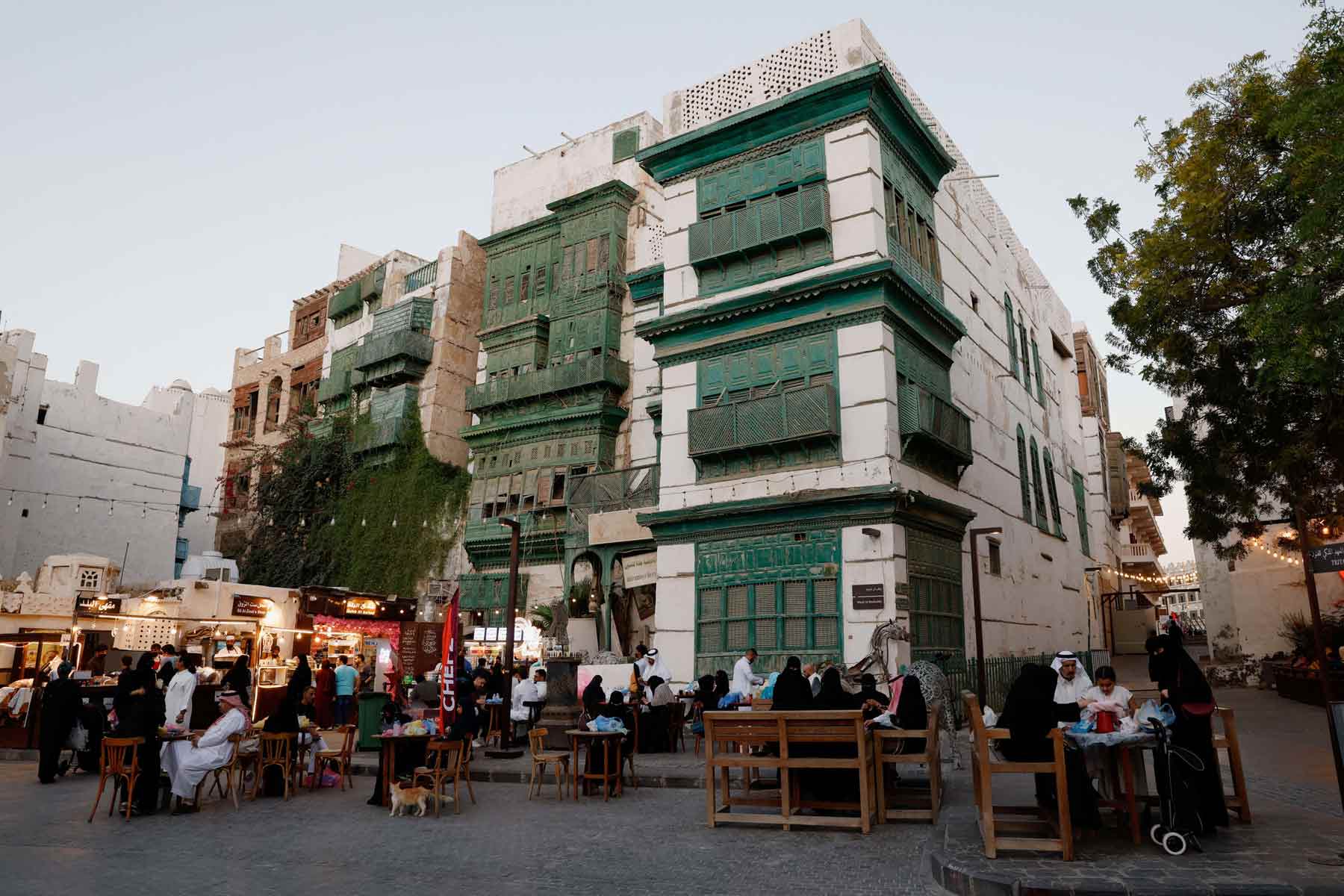
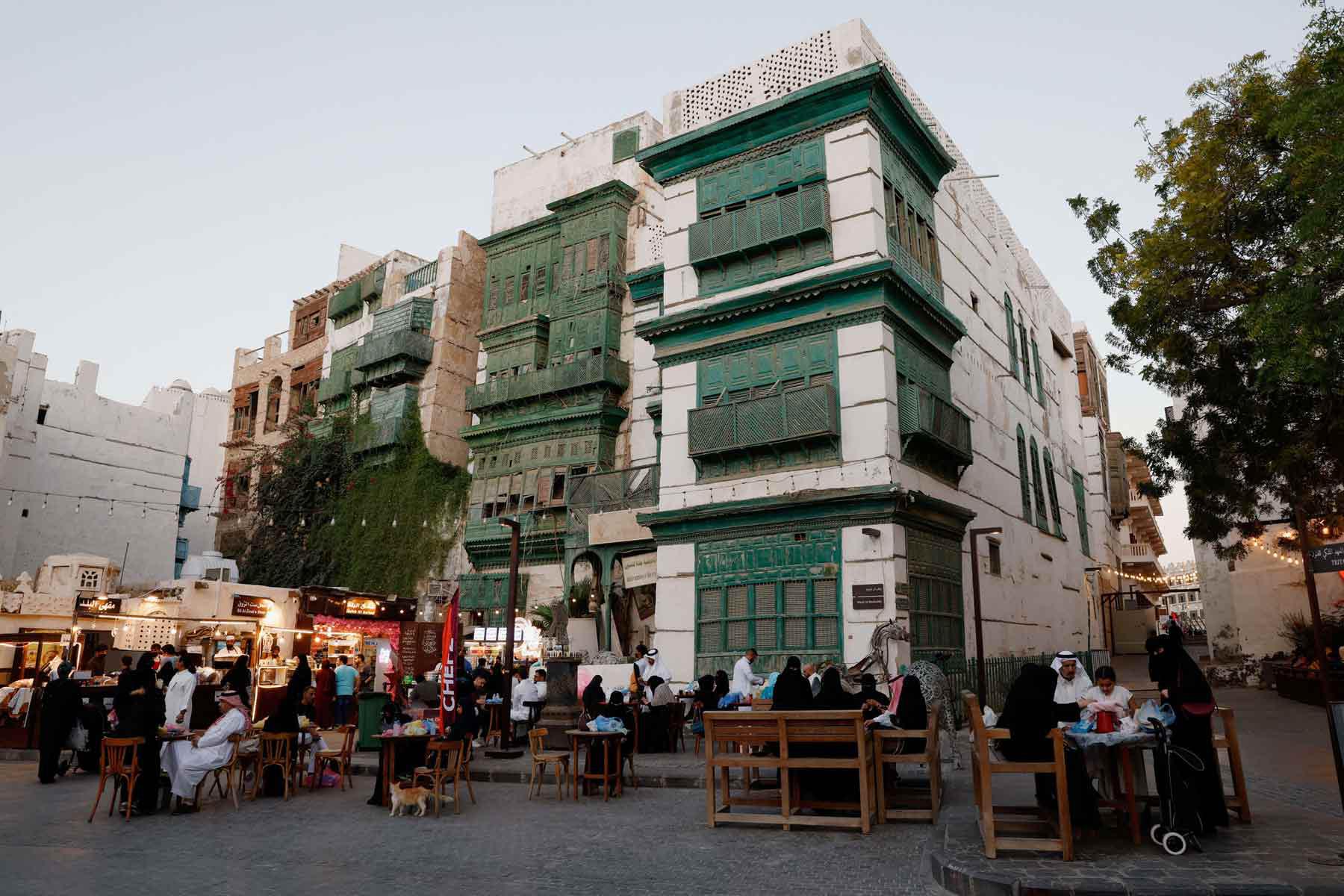
JEDDAH – The narrow streets of Jeddah’s historic quarter were packed on Tuesday night as residents and visitors gathered beneath glowing minarets and strings of lights, crowding shopfronts and food stalls to break their fast during the holy month of Ramadan.
Known locally as Al-Balad, the historic heart of the Red Sea city sits at its centre and is recognised as a World Heritage Site by UNESCO. Since its inscription in 2014, authorities have accelerated restoration efforts, refurbishing around 650 heritage buildings and reinvigorating local commerce in an area once threatened by neglect.
This year’s Ramadan has brought a particularly strong surge in footfall. Traders report higher demand than in previous seasons, with families descending on the old quarter to share iftar and suhoor meals in what many describe as a uniquely atmospheric setting. Food kiosks reported brisk business, crediting both careful organisation and a spirit of conviviality among the crowds for the smooth flow of the evenings.
UNESCO has described Old Jeddah as “the only surviving urban ensemble on the Red Sea,” distinguished by its coral-stone houses adorned with elaborately carved wooden balconies, standing alongside mosques dating back to the earliest centuries of Islam. The district rose to prominence when the third caliph, Uthman ibn Affan, declared it the official port of Makkah in the 7th century, cementing its place in the region’s religious and commercial history.
Despite Jeddah’s evolution into one of the kingdom’s principal modern commercial hubs, the migration of traders to newer districts over past decades left Al-Balad in relative decline. For many Saudis, however, Ramadan has always drawn people back to the historic streets, a tradition passed down through generations. Families speak of returning each year to relive childhood memories and reconnect with the architectural and cultural legacy of their forebears.
In 2021, Crown Prince Mohammed bin Salman launched a major regeneration initiative aimed at transforming Old Jeddah into a vibrant cultural and living district, investing in infrastructure, heritage preservation and economic development as part of Saudi Arabia’s Vision 2030 reform agenda. The project seeks not only to safeguard the area’s architectural fabric but also to position it as a driver of tourism, entrepreneurship and cultural exchange.
Recent celebrations marking Saudi Founding Day on February 22 further amplified the district’s revival. Squares and alleyways filled with families, young people and tourists dressed in traditional attire representing different regions of the kingdom. Cultural performances and art installations recreated scenes of daily life from earlier eras, while historic façades and wooden Roshan balconies were illuminated in national colours, casting a dramatic interplay of light against ancient stone.
Landmarks such as Souq Al-Alawi and Souq Al-Nada regained a sense of their former vibrancy, their restored buildings providing a backdrop for festivities that blended heritage with modern organisation.
For many, the revival of Old Jeddah is about more than seasonal celebration. It represents a broader effort to preserve a past that underpins national identity. As one visitor reflected, a community without memory cannot shape its present, and safeguarding what remains of that past is essential to sustaining both.