



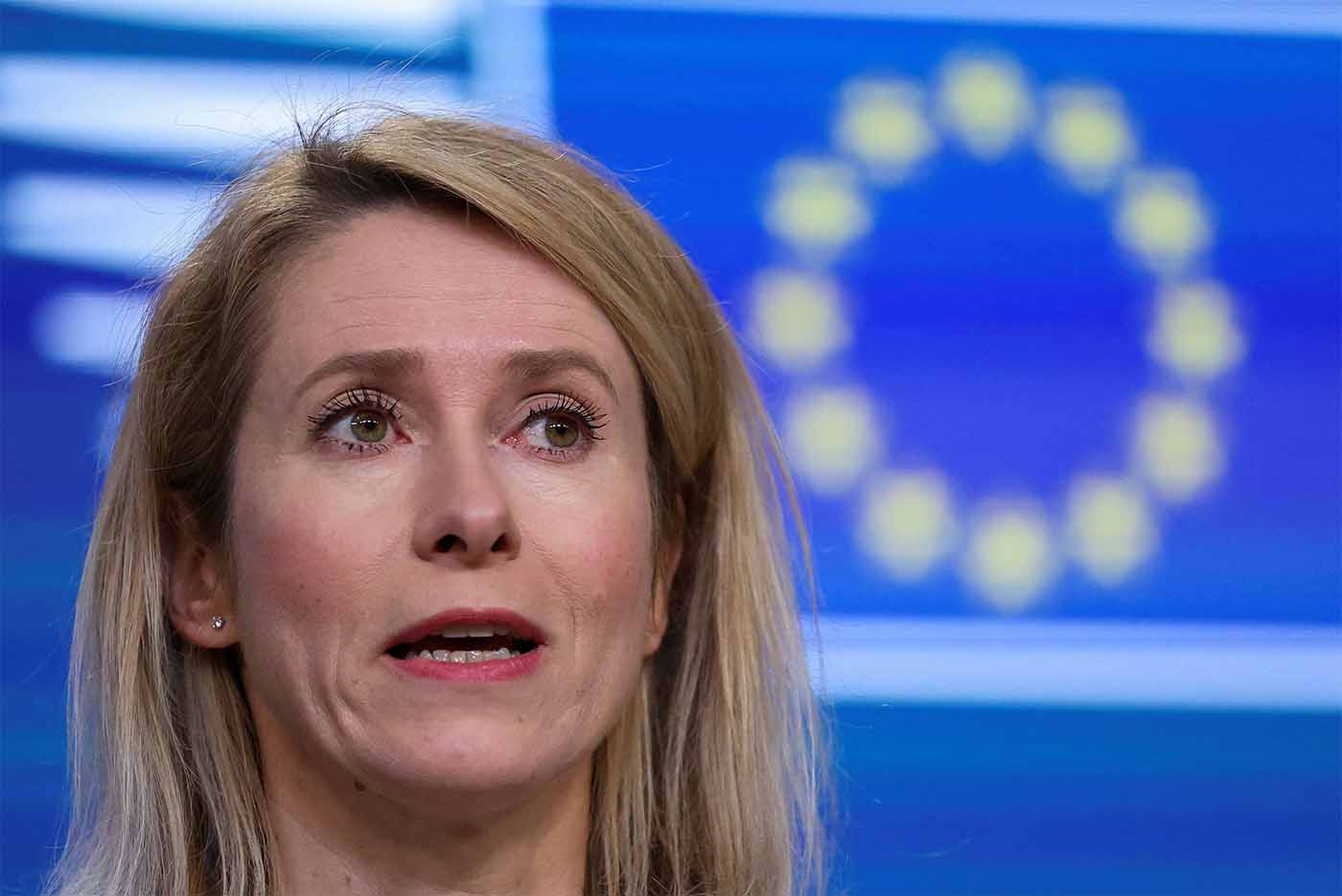
Kallas urged global coalition to prevent Tehran from dominating the vital oil route.
Kallas says Iran's control of Hormuz Strait could lead to 'slippery slope'
The Top EU diplomat warns that allowing Iran to exert control over the Strait of Hormuz would set a dangerous precedent with far-reaching consequences for international security and the global economy.
Thursday 09/04/2026
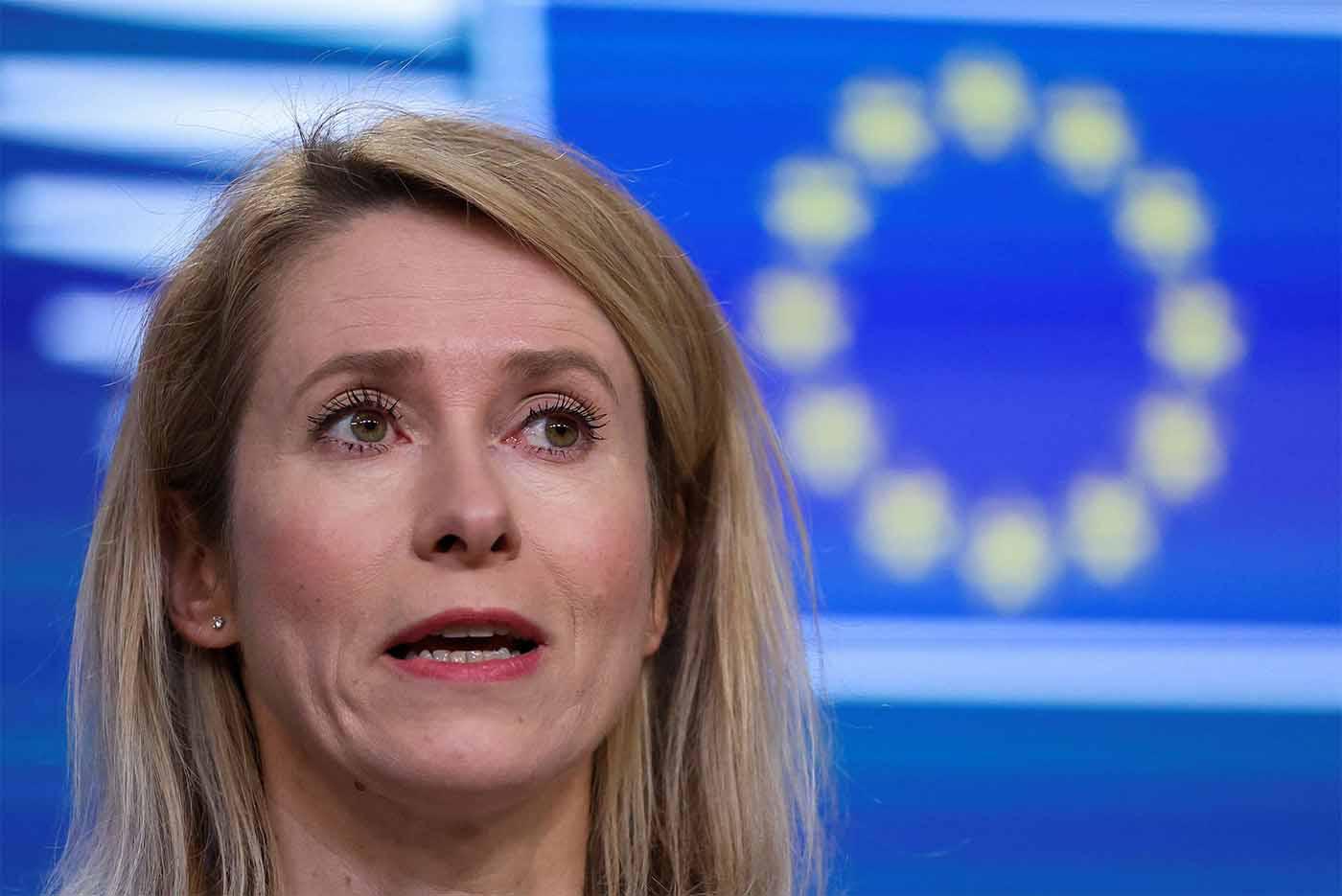
Kallas urged global coalition to prevent Tehran from dominating the vital oil route.
BRUSSELS — European Union High Representative for Foreign Affairs and Security Policy Kaja Kallas has issued a stark warning that allowing Iran to exert control over the Strait of Hormuz would set a dangerous precedent with far-reaching consequences for international security and the global economy.
Speaking during a high-level EU foreign ministers’ meeting in Brussels, Kallas described any Iranian dominance of the narrow waterway — through which roughly one-fifth of the world’s oil and a significant portion of liquefied natural gas passes — as a potential “slippery slope” that could embolden further aggression and destabilise entire regions.
“We cannot allow one actor to hold the global energy market hostage,” Kallas said. “If Iran is permitted to control or disrupt the Strait of Hormuz, it opens the door to similar tactics elsewhere, with catastrophic implications for international trade, energy security, and peace.”
Her remarks come as the month-long conflict between Iran and Gulf states enters its sixth week. Since February 28, Iranian forces have launched hundreds of ballistic missiles, cruise missiles, and drones targeting the UAE, Kuwait, and Iraq, with recent strikes causing fires and operational suspensions at critical energy facilities including Abu Dhabi’s Habshan gas complex and foreign oil storage sites west of Iraq’s Basra.
Heightened Risks to Global Energy Flows
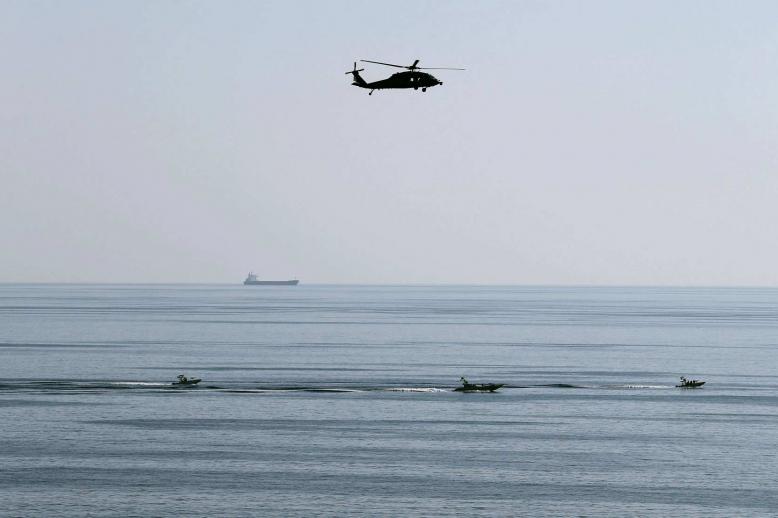
The Strait of Hormuz has become the focal point of the crisis. Iran has repeatedly threatened to close or mine the waterway in response to US and Israeli military actions, prompting fears of a major disruption to global oil supplies and a sharp spike in energy prices.
US President Donald Trump stated on Friday that American forces could reopen the strait “with a little more time,” while simultaneously pressing Gulf nations to take greater responsibility for their own maritime security. Secret talks involving the US, Iran, and regional mediators are reportedly discussing a possible 45-day ceasefire that could lead to a permanent end to hostilities, but no agreement has yet been reached.
Kallas emphasised that the European Union stands firmly with its Gulf partners and called for a coordinated international response — including enhanced naval patrols, diplomatic pressure, and support for de-escalation efforts — to safeguard freedom of navigation.
“Europe, like the rest of the world, cannot afford a prolonged closure or Iranian control of this chokepoint,” she added. “The economic ripple effects would be immediate and severe, hitting consumers, industries, and developing economies hardest.”
EU’s Position in the Wider Conflict
The EU foreign policy chief’s comments reflect growing concern in European capitals over the conflict’s impact on energy prices and supply chains at a time when the bloc is still recovering from earlier energy shocks. Several EU member states have already begun contingency planning for potential oil and gas shortages.
Kallas also stressed the need for any future ceasefire agreement to include clear guarantees on the free flow of commercial shipping through the strait, describing it as a non-negotiable red line for international stability.
Analysts note that her “slippery slope” warning serves as a broader signal: unchecked Iranian actions in one of the world’s most strategic maritime passages could encourage similar behaviour by other actors in other critical sea lanes, from the South China Sea to the Red Sea.
As ceasefire negotiations continue behind the scenes, Kallas urged all parties to prioritise diplomacy and de-escalation to prevent the current crisis from spiralling into a wider confrontation with global consequences.
The EU is expected to discuss further measures to support regional stability and energy security at an emergency meeting later this week.