

Internal developments in Iran may have cross-border reverberations
Kurdish factions unite in Erbil, call for regime change in Iran
After years of divergence in priorities, Iranian Kurdish forces appear to have concluded that the current political climate offers an opportunity to consolidate the opposition’s ranks.
Monday 23/02/2026

Internal developments in Iran may have cross-border reverberations
ERBIL – Iranian Kurdish groups operating from within Iraq’s Kurdistan Region have announced the formation of a unified political framework under the name Coalition of Political Forces of Iranian Kurdistan (CPFIK), placing the overthrow of Iran’s ruling system at the top of their agenda. The coalition has also reaffirmed what it describes as the Kurdish people’s “right to self-determination,” a move that comes amid renewed US threats of possible military action against Tehran and speculation over the potential for regime change.
The announcement marks a shift towards more structured coordination among factions that have long operated independently. It comes at a time when Iran is grappling with mounting internal tensions and severe economic pressure. After years of divergence in rhetoric and priorities, Iranian Kurdish forces appear to have concluded that the current political climate offers an opportunity to consolidate the opposition’s ranks.
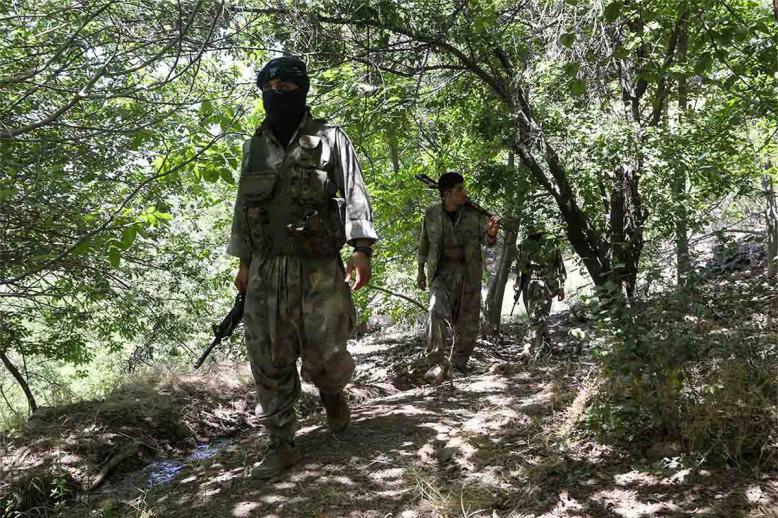
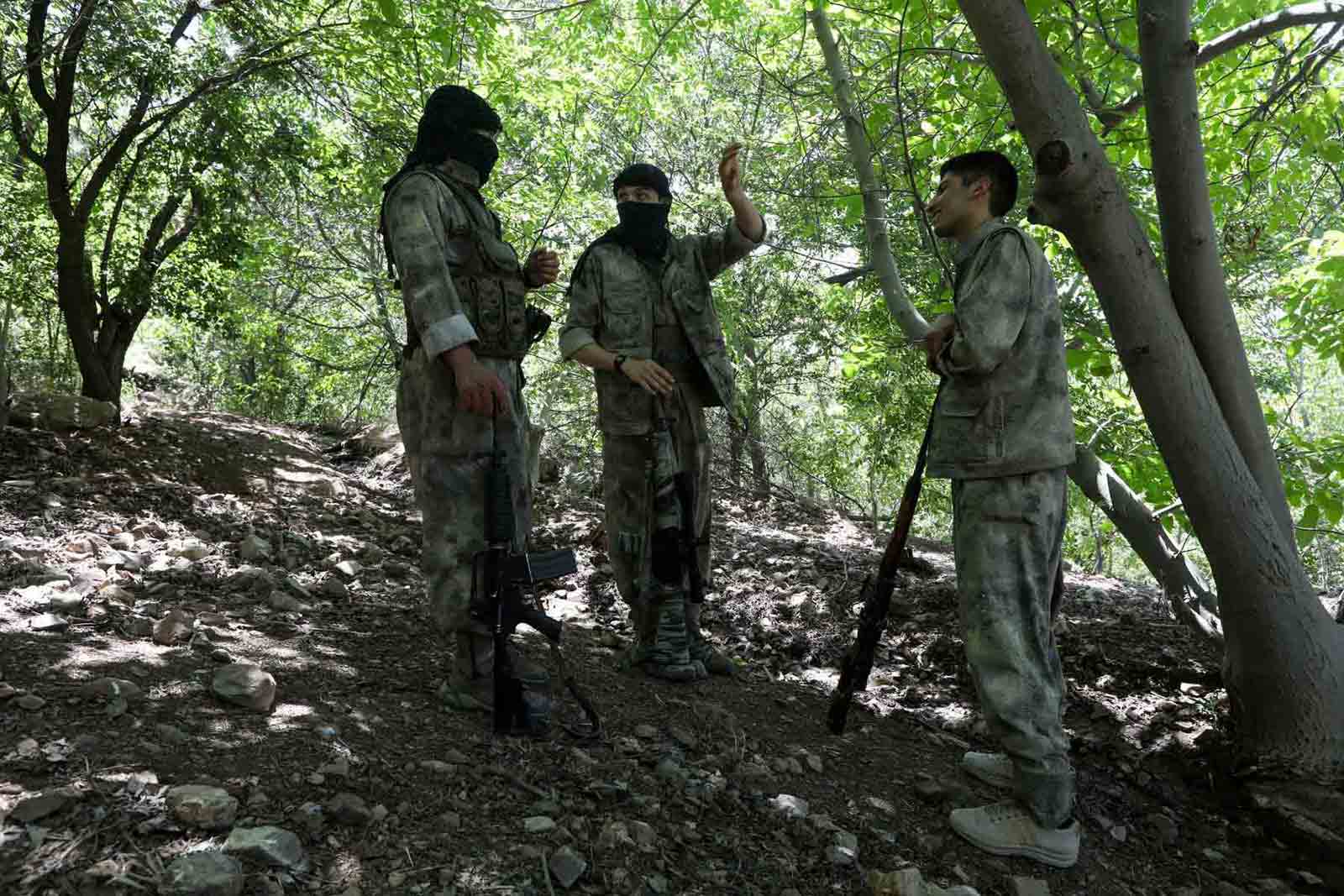
The coalition brings together several of the most prominent Iranian Kurdish organisations, including the Kurdistan Democratic Party of Iran (KDPI), the Kurdistan Free Life Party (PJAK) and the Kurdistan Freedom Party (PAK). In a joint statement, the groups said their unification aims to coordinate political and media efforts, support protests inside Iran, and expand partnerships with other opposition movements and civil society organisations.
The move unfolds against the backdrop of a protracted crisis within Iran. International sanctions and worsening living conditions have fuelled repeated waves of protest across multiple cities in recent years. The Kurdish factions argue that the Iranian government has lost its political legitimacy and that the current moment requires opposition forces, including those rooted in ethnic and nationalist movements, to move beyond traditional divisions.
The presence of Iranian Kurdish organisations in northern Iraq is not new. For decades, several have maintained bases in areas of the Kurdistan Region, benefiting from its semi-autonomous administrative status and its proximity to the Iranian border. Their activities, however, have long been a source of friction with Tehran, which designates many of these groups as “terrorist” organisations and accuses them of involvement in unrest inside Iran. In recent years, Iranian forces have carried out cross-border strikes targeting their positions, underscoring the sensitivity of the issue for the Iranian authorities.
In response to the latest announcement, officials in Erbil were quick to reiterate that the Kurdistan Region’s territory would not be used as a launchpad for operations threatening neighbouring states. The statement reflects the regional government’s effort to preserve a delicate balance in its relations with Tehran, given the extensive economic and security ties between the two sides.
For now, the declaration of the coalition appears primarily political rather than a signal of an imminent return to armed struggle. Most of the participating organisations have scaled back military activity in recent years, focusing instead on media engagement and building links with broader opposition networks. Nonetheless, unifying their rhetoric around the explicit objective of toppling the Iranian system provides renewed momentum, particularly as domestic unrest in Iran continues to simmer.
National identity remains central to the coalition’s vision. The statement underscores what it frames as the Kurdish right to determine their political future within a framework different from the existing order. Kurds constitute one of the largest non-Persian ethnic groups in Iran, and segments of their political movement have long called for expanded autonomy or a redefinition of their relationship with the central government.
While the formation of the coalition is unlikely to alter the balance of power on the ground in the immediate term, it signals renewed activity within the broader Iranian opposition camp. It also sends a political message that internal developments in Iran may have cross-border reverberations. For Iraq’s Kurdistan Region, the move presents a fresh test of its ability to manage the implications of transnational opposition activity in an already volatile regional environment.