


Widening rift within Lebanon’s political landscape
Lebanon expels Iran's envoy as Hezbollah vows to counter Israeli push in south
The move marks a rare and significant step in Lebanon’s handling of its relationship with Tehran, a key backer of Hezbollah.
Tuesday 24/03/2026
Widening rift within Lebanon’s political landscape
BEIRUT – Lebanon has escalated its diplomatic stance against Iran and hardened its political posture toward Hezbollah as regional tensions intensify, withdrawing accreditation from the Iranian ambassador and declaring him persona non grata, while also ordering his departure by Sunday, the Ministry of Foreign Affairs said on Tuesday.
The ministry said it had also summoned Lebanon’s ambassador to Iran for consultations, citing what it described as violations of diplomatic norms and established practices between the two countries.
The move marks a rare and significant step in Lebanon’s handling of its relationship with Tehran, a key backer of Hezbollah, amid mounting pressure on the Lebanese state to assert greater control over armed actors operating on its territory.
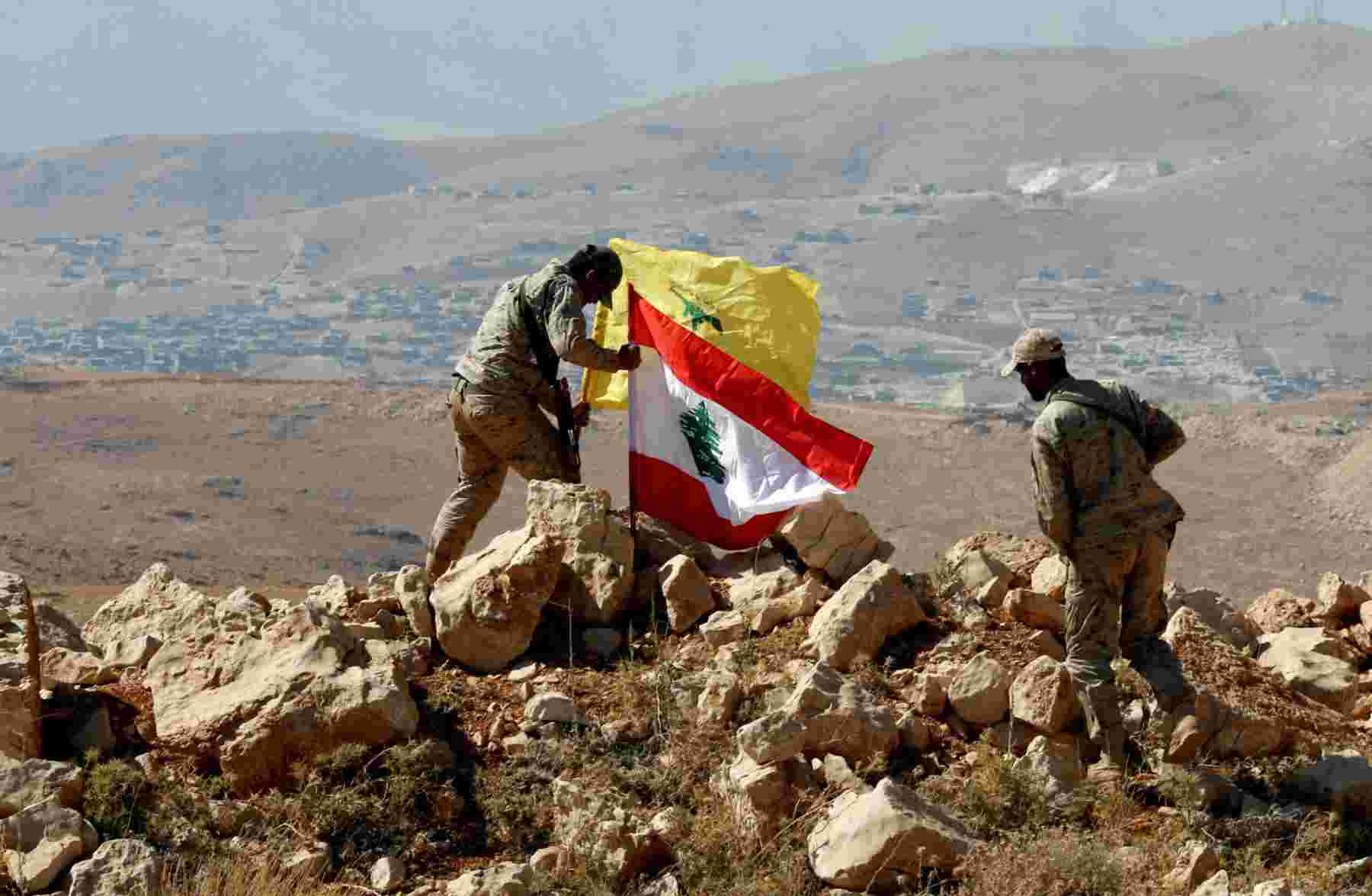
At the same time, Lebanon faces renewed internal and external pressure linked to the armed group Hezbollah, which said it would resist any Israeli attempt to establish a presence in southern Lebanon.
Senior Hezbollah lawmaker Hassan Fadlallah warned that any Israeli move to impose a so-called “security zone” south of the Litani River would be treated as an existential threat.
“We have no choice but to confront this aggression and cling to the land,” he said, according to remarks reported Tuesday.
His comments came after Israel’s defence minister reportedly instructed the military to establish a security zone south of the Litani River, which lies roughly 30 kilometres north of the Israeli border.
Hezbollah reiterated that any Israeli occupation of southern Lebanon would be met with resistance, framing such an outcome as a direct threat to the Lebanese state itself.
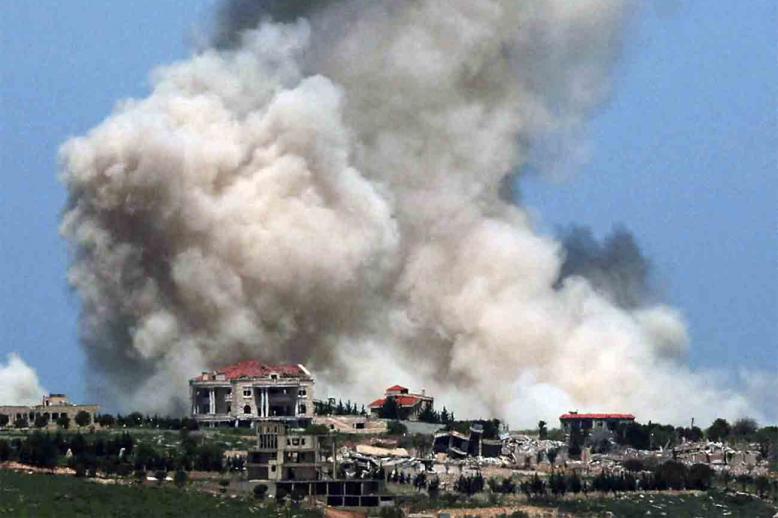
The escalation follows a period of heightened military activity along the border. Israel has destroyed five bridges over the Litani River since March 13 and accelerated the demolition of homes in villages near the frontier, describing the operations as targeting Hezbollah infrastructure rather than civilians.
Under international law, attacks on civilian infrastructure, including homes and bridges, are generally prohibited.
Israeli officials have previously warned that Lebanon’s government could lose territory if it fails to disarm Hezbollah, the Iran-backed group that has long operated outside state control and has drawn Lebanon into wider regional confrontations.
Hezbollah, which has maintained its weapons since the end of Lebanon’s civil war in 1990, has resisted repeated calls for disarmament. The group argues its arsenal remains necessary for deterrence against Israel, particularly in light of repeated Israeli strikes in recent months.
Lebanon’s government has in recent months taken steps aimed at asserting state authority over armed groups. Earlier this month, it banned military activities by Hezbollah following a strike carried out by the group against Israel.
Prime Minister Nawaf Salam said at the time the state rejected any military action launched from Lebanon “outside the framework of its legitimate institutions,” stressing that decisions of war and peace rest solely with the government.
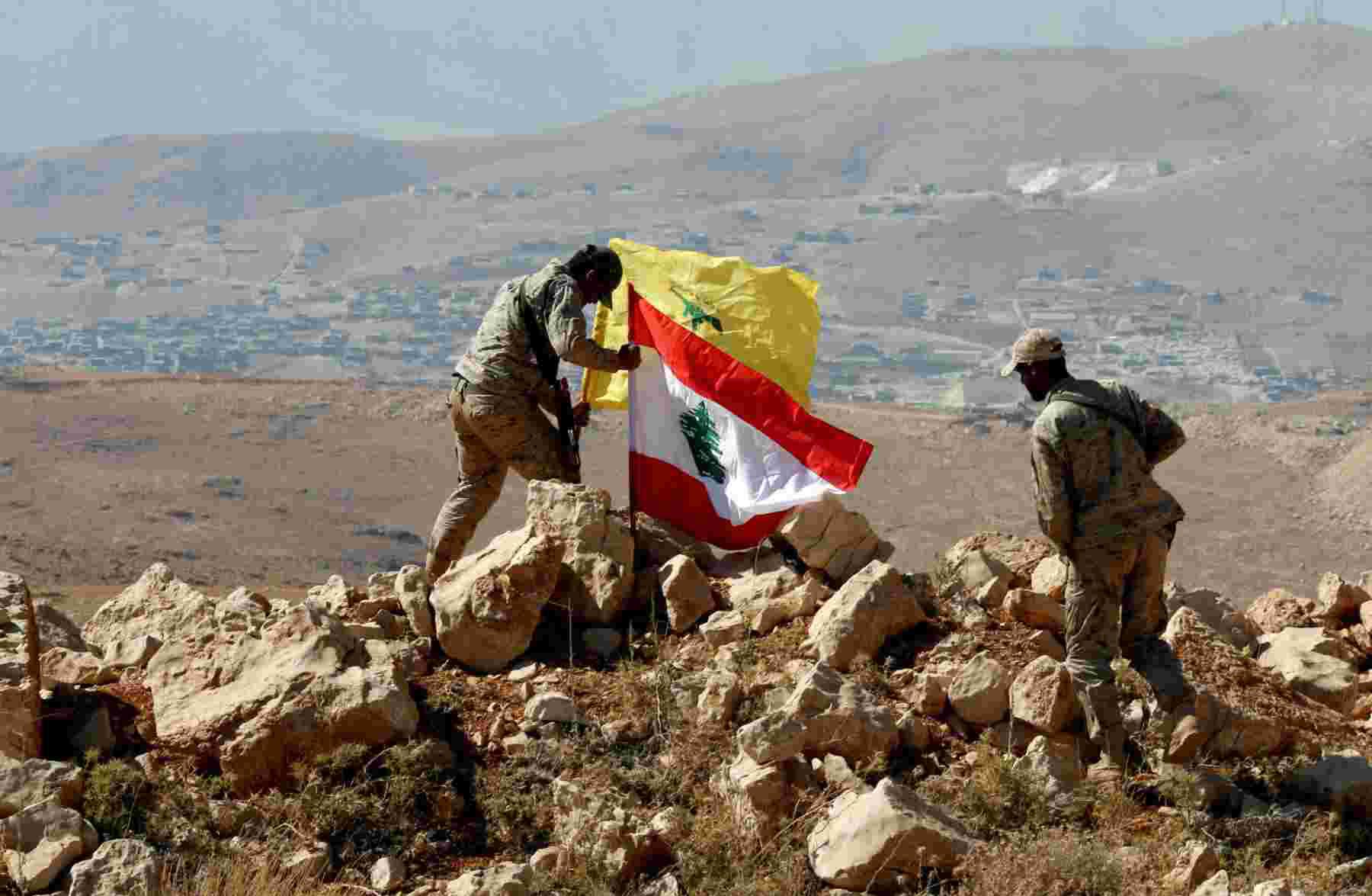
The developments reflect a widening rift within Lebanon’s political landscape, where Hezbollah’s role as both a political actor and armed group continues to challenge the authority of state institutions.