

Painful but necessary reforms
Lebanon raises VAT, fuel prices while boosting public sector pay
To finance the wage adjustments and boost state revenues, the cabinet approved an increase in VAT by one percentage point, raising it from 11 percent to 12 percent.
Tuesday 17/02/2026
Painful but necessary reforms
BEIRUT – Lebanon’s government approved an increase in value-added tax and fuel prices alongside long-awaited salary rises for public sector employees and pensioners, in a move reflecting the country’s struggle to balance social pressures with urgent fiscal reforms as it seeks to stabilise its shattered economy and restore international confidence.
Information Minister Paul Morcos announced the measures at a news conference in Beirut following a cabinet meeting, saying the government had approved a pay rise equivalent to six monthly salaries for public sector workers, based on the wage scale established in 2019, when salaries ranged between roughly $100 and $120 per month.
Morcos explained that the increase would be paid as a separate monthly allowance rather than incorporated into basic salaries. The measure will benefit around 251,000 public employees and retirees.
He said the annual cost of the salary increases was estimated at approximately $800 million, noting that payments would begin only after legislation raising VAT is formally enacted, without specifying a timeline.
To finance the wage adjustments and boost state revenues, the cabinet approved an increase in VAT by one percentage point, raising it from 11 percent to 12 percent.
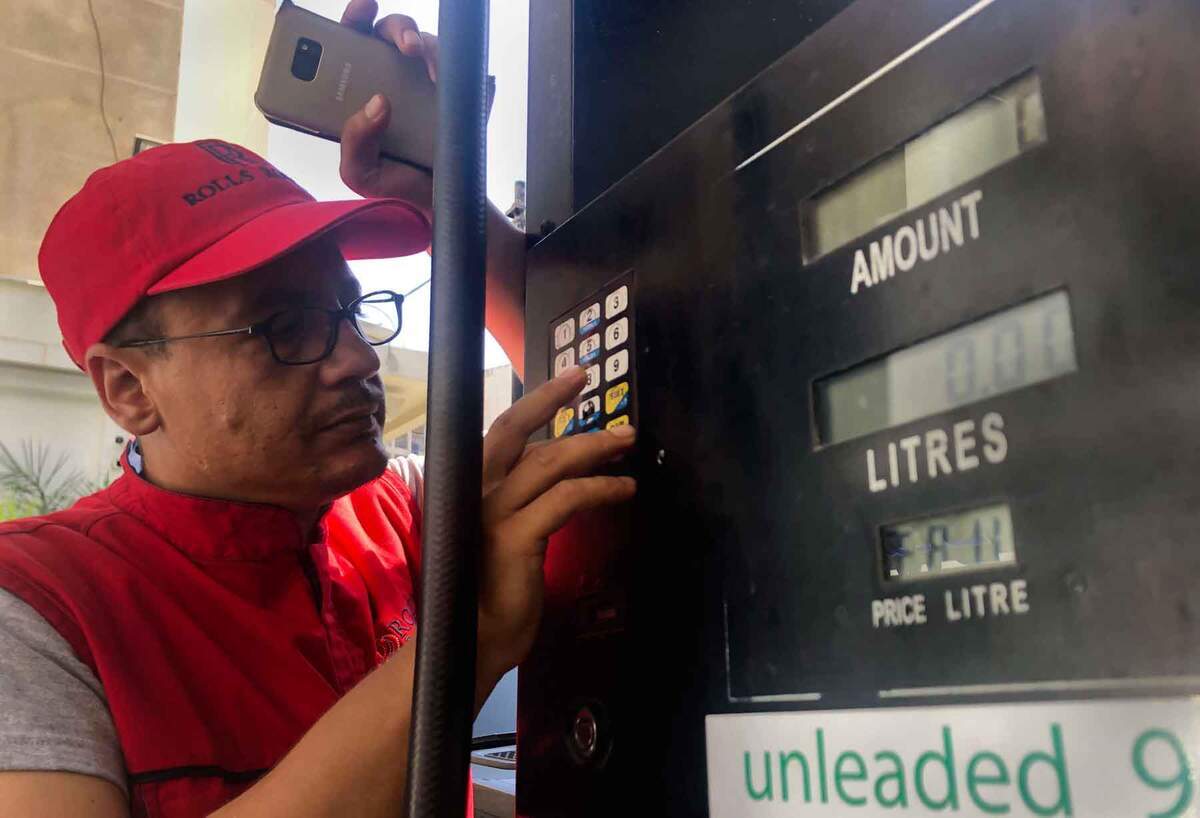
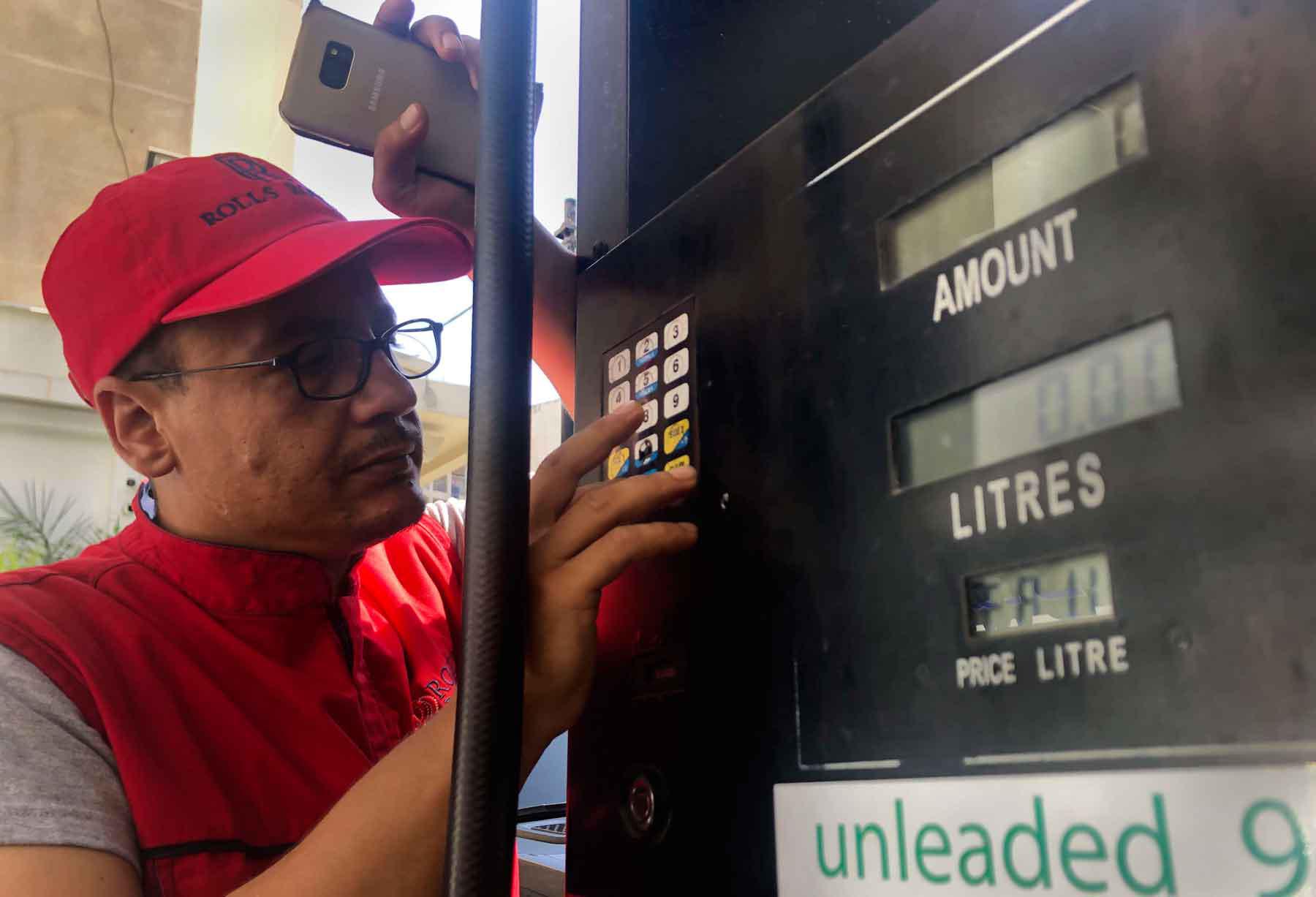
The government also increased the price of a 20-litre petrol canister by 300,000 Lebanese pounds, equivalent to about $3.50, and raised customs fees on shipping containers, signalling a broader effort to enhance fiscal income amid chronic budget shortfalls.
Morcos said the cabinet had stressed the importance of improving tax collection, enforcing payment orders and tightening controls at border crossings to reduce smuggling and increase state revenues before approving the wage increases. At the same time, the government abolished a previously imposed levy on diesel fuel, a move likely intended to ease pressure on key sectors reliant on diesel, including electricity generation and transport.
The measures come after widespread protests in Beirut in late January, when hundreds of civil servants, teachers and judicial assistants demonstrated outside parliament, demanding higher wages and the restoration of what they called their “professional dignity.” Protesters called for salary increases of at least 50 percent to offset the collapse in purchasing power caused by the country’s financial crisis.
Lebanon has been mired in one of the world’s worst economic crises since 2019, when a financial meltdown pushed the country into sovereign default on approximately $30 billion in international bonds in 2020. The crisis triggered a dramatic collapse of the Lebanese pound, wiping out the real value of salaries, savings and pensions, and plunging much of the population into poverty.
Public sector workers have been among the hardest hit, as their wages lost most of their value amid hyperinflation and currency depreciation.
The government is now seeking to restructure the country’s banking sector to restore confidence in financial institutions and revive economic activity. It is also pursuing comprehensive economic reforms aimed at securing a $3 billion support programme from the International Monetary Fund.
However, the IMF has conditioned its assistance on the implementation of key structural reforms, foremost among them the passage of a banking sector restructuring law and measures to improve fiscal transparency and accountability.
The success of these reforms is widely seen as essential to unlocking broader international aid and investment needed to rebuild Lebanon’s economy.
Alongside domestic reforms, Beirut has intensified contacts with Arab and international partners to reintegrate Lebanon into the regional and global economic system.
Relations with Saudi Arabia have improved noticeably, amid indications of Gulf willingness to support investment and infrastructure projects, provided Lebanon ensures political and financial stability. The United Arab Emirates has also expressed interest in expanding cooperation in areas such as digital transformation, energy and post-crisis reconstruction.
Internationally, the United States and several European countries have reiterated their support for Lebanon’s stability, while linking meaningful financial assistance to the implementation of concrete reforms and the strengthening of state institutions.
These developments come amid shifting domestic political dynamics, which observers say may provide the government with greater room to pursue economic policies less constrained by previous political polarisation.
Despite the wage increases, the simultaneous rise in taxes and fuel prices underscores the difficult balancing act facing Lebanon’s leadership, as it attempts to ease social pressures while implementing painful but necessary fiscal reforms to pull the country back from prolonged economic collapse.