

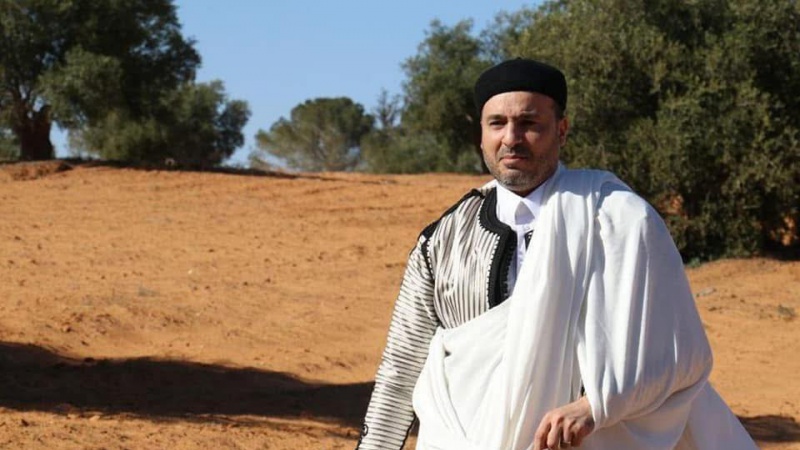
Abdelati’s case is no longer just about one man
In Libya, activist’s disappearance exposes a system under strain
The UN Support Mission in Libya described Abdelati’s detention as part of a wider system of arbitrary arrests carried out by security bodies operating with little accountability.
Monday 30/03/2026
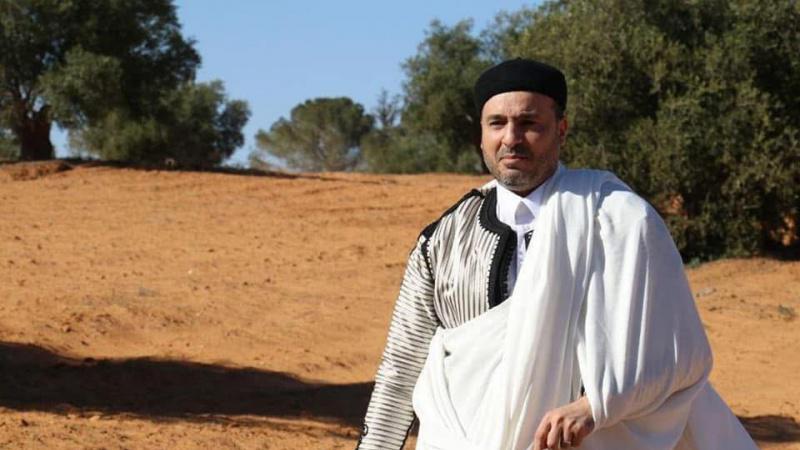
Abdelati’s case is no longer just about one man
MISRATA – When Mahdi Abdelati was taken from the streets of Misrata on a March evening, it was not just the disappearance of a political activist. For many Libyans, it felt like the return of a familiar fear.
Abdelati, a prominent critic of corruption and state abuses, vanished into the custody of security forces, according to the United Nations. Days passed without answers. Then came the rumours: torture, a hospital transfer, a body pushed to its limits somewhere behind closed doors.
No official confirmation followed. No clear charge. No explanation.
Instead, what emerged was something more telling, a pattern.
The UN Support Mission in Libya described Abdelati’s detention as part of a wider system of arbitrary arrests carried out by security bodies operating with little transparency or accountability. The European Union echoed those concerns, warning of a shrinking civic space where dissent is no longer tolerated.
In Misrata, anger has been building. Families, activists and local leaders have taken to the streets, demanding answers not only about Abdelati, but about a system that allows people to disappear without trace.
His case has struck a nerve because it sits at the intersection of Libya’s unresolved contradictions: a state that claims legitimacy yet struggles to control its own security apparatus; a political process that promises participation while narrowing the space for criticism.
Abdelati had spent years speaking out against corruption and the networks he said were siphoning off Libya’s wealth under the cover of political division. That made him a target, his supporters say, not for what he had done, but for what he had exposed.
His family now fears for his life. They say he has been tortured. They say his health is failing. And they have placed responsibility squarely on the government in Tripoli.
Officials have remained largely silent.
Across Libya, the implications are reverberating. Activists warn that if Abdelati’s disappearance goes unchallenged, it will send a clear message: that criticism carries a cost, and that the boundaries of acceptable speech are tightening.
For a country still struggling to emerge from years of conflict and fragmentation, that message could prove decisive.
Because the question raised by Abdelati’s case is no longer just about one man.
It is about whether Libya’s fragile political order can tolerate dissent, or whether it is beginning to close in on itself.