

Economy suffers price of division
Libya frets over surprise import taxes amid record dinar plunge
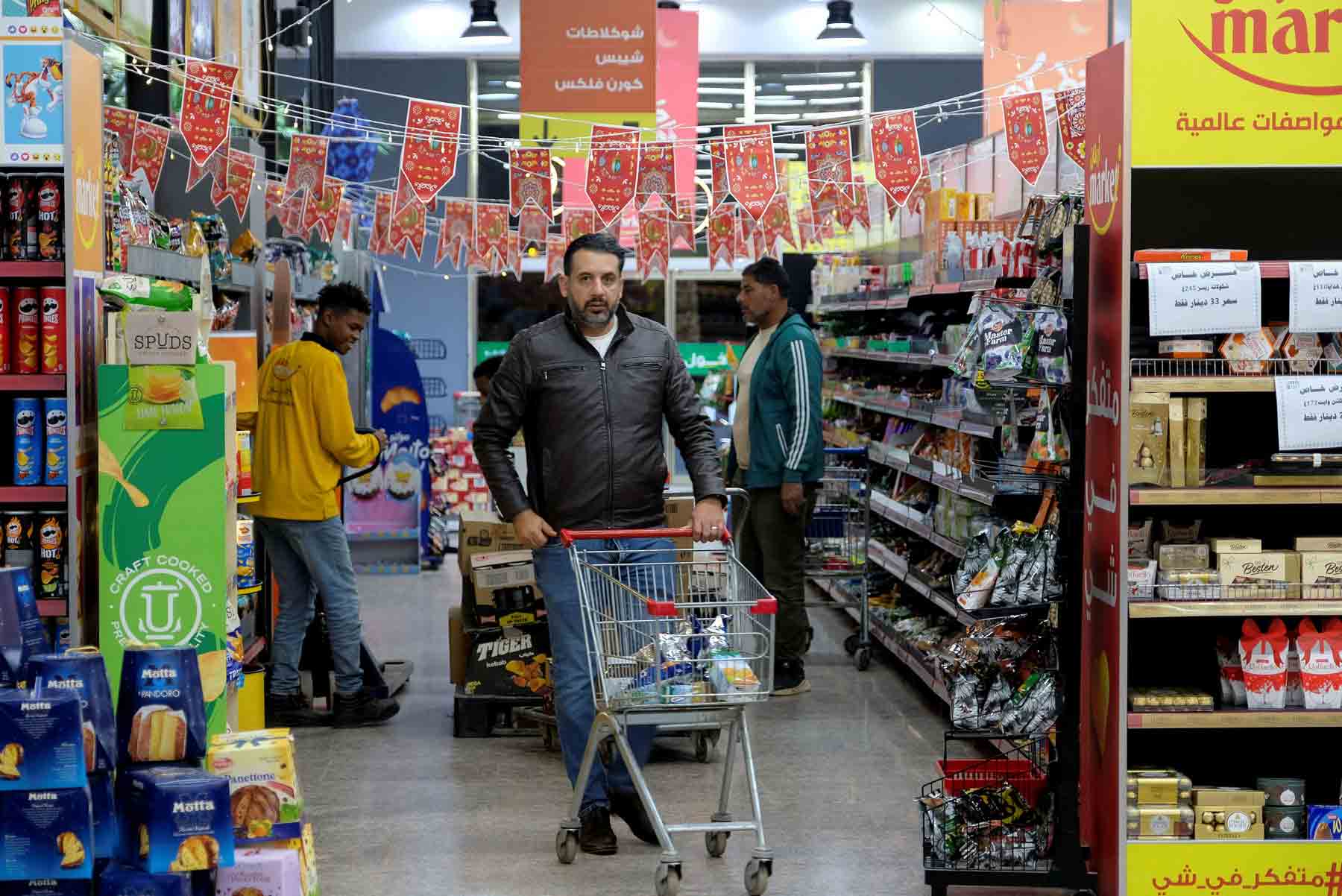
The sudden imposition of import taxes has intensified public anger, with citizens and businesses warning that the measure would raise the cost of living.
Wednesday 25/02/2026
Economy suffers price of division
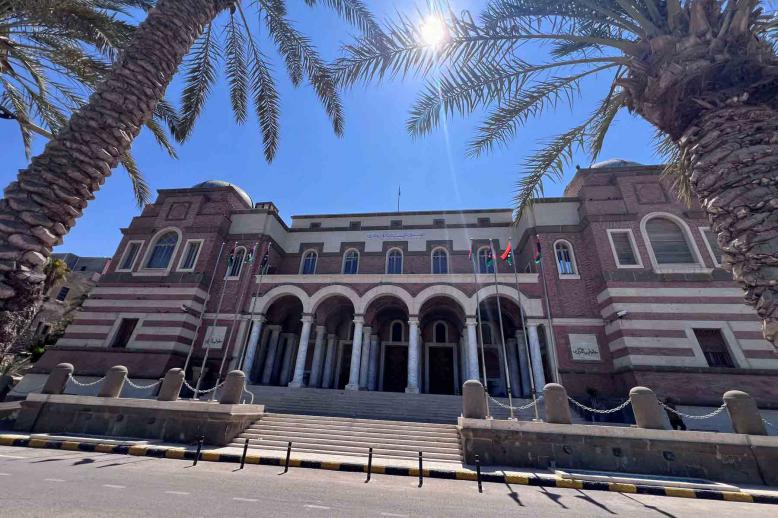
TRIPOLI – Libya has been rocked by public outrage after the Central Bank of Libya (CBL) began implementing new import taxes on a wide range of goods without prior notice, triggering widespread criticism from citizens, traders, and the Government of National Unity. The move comes amid a sharp collapse of the Libyan dinar on the black market, which hit an unprecedented LD 10.45 to the US dollar on Monday evening.
The sudden taxes, announced unofficially through banking channels, exempt basic staples such as cooking oil and tomato paste but impose levies ranging from 7 percent on some food items and raw materials, 12 percent on consumer goods, cleaning products and auto parts, up to 25 percent on building materials, clothing, household appliances and cars under 20 horsepower. Electronics, high-capacity vehicles and jewellery face 30-35 percent, while tobacco and cigarettes are taxed at 40 percent.
Traders reported that they first learned of the measures through letters of credit submitted to the Central Bank, sparking anger on social media and the viral hashtag #NoTaxes7MillionLibyans. Citizens accused both the CBL and the House of Representatives (HoR) of acting unilaterally and disregarding the principle of separation of powers.
The Tripoli-based Government of National Unity, led by Prime Minister Abdulhamid Dbeibah, rejected the taxes outright. In a statement, the government condemned the measures as “unilateral steps taken by the presidency of the HoR that affect state fiscal and monetary policy without coordination with the executive or cabinet approval,” warning that they would “disrupt markets, deepen economic uncertainty, and increase the burden on citizens without addressing the root causes of the crisis.”
According to the government, the collapse of the dinar is primarily linked to massive parallel spending in eastern Libya, far exceeding the state’s financial capacity, which has driven up demand for foreign currency and weakened the national currency. Dbeibah emphasised that tackling the currency crisis requires strict adherence to the US-brokered Unified Development Programme, designed to regulate public spending and stabilise the economy.
Meanwhile, 107 HoR members issued a joint statement distancing themselves from the tax decision, clarifying that the House as a whole has not passed any valid or enforceable measure imposing taxes or financial burdens. They stressed that any correspondence or communications circulating on the issue “do not reflect the true will of the House and carry no legal force unless issued through proper procedures in a formal session with a quorum.”
Libya remains divided between two rival governments: the Tripoli-based Government of National Unity controlling the west, and the eastern administration led by Osama Hammad, appointed by the HoR, which governs the east and southern regions. Both rely on parallel and often overlapping spending, contributing to economic instability and inflation, while the UN continues to mediate efforts to unify state institutions and pave the way for elections.
The sudden imposition of import taxes has intensified public anger, with citizens and businesses warning that the measure would raise the cost of living and fail to resolve the fundamental economic challenges. Analysts say the dispute highlights the persistent institutional and political fragmentation in Libya, and the urgent need for a coherent, unified fiscal strategy.