

Greece is seeking to reassert its role as a key European actor in Eastern Mediterranean energy diplomacy
Libya, Greece pledge continued talks on disputed maritime borders
While both governments publicly committed to dialogue based on international law, the underlying dispute remains unresolved and politically sensitive.
Tuesday 28/04/2026
Greece is seeking to reassert its role as a key European actor in Eastern Mediterranean energy diplomacy
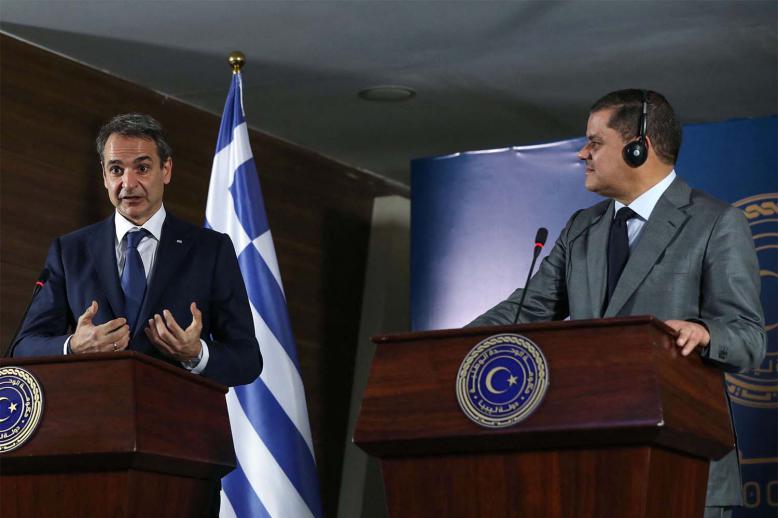
TRIPOLI – Monday’s talks between Libya and Greece reflect a broader attempt to stabilise one of the Eastern Mediterranean’s most complex diplomatic fault lines, where maritime borders, energy exploration and shifting alliances continue to collide.
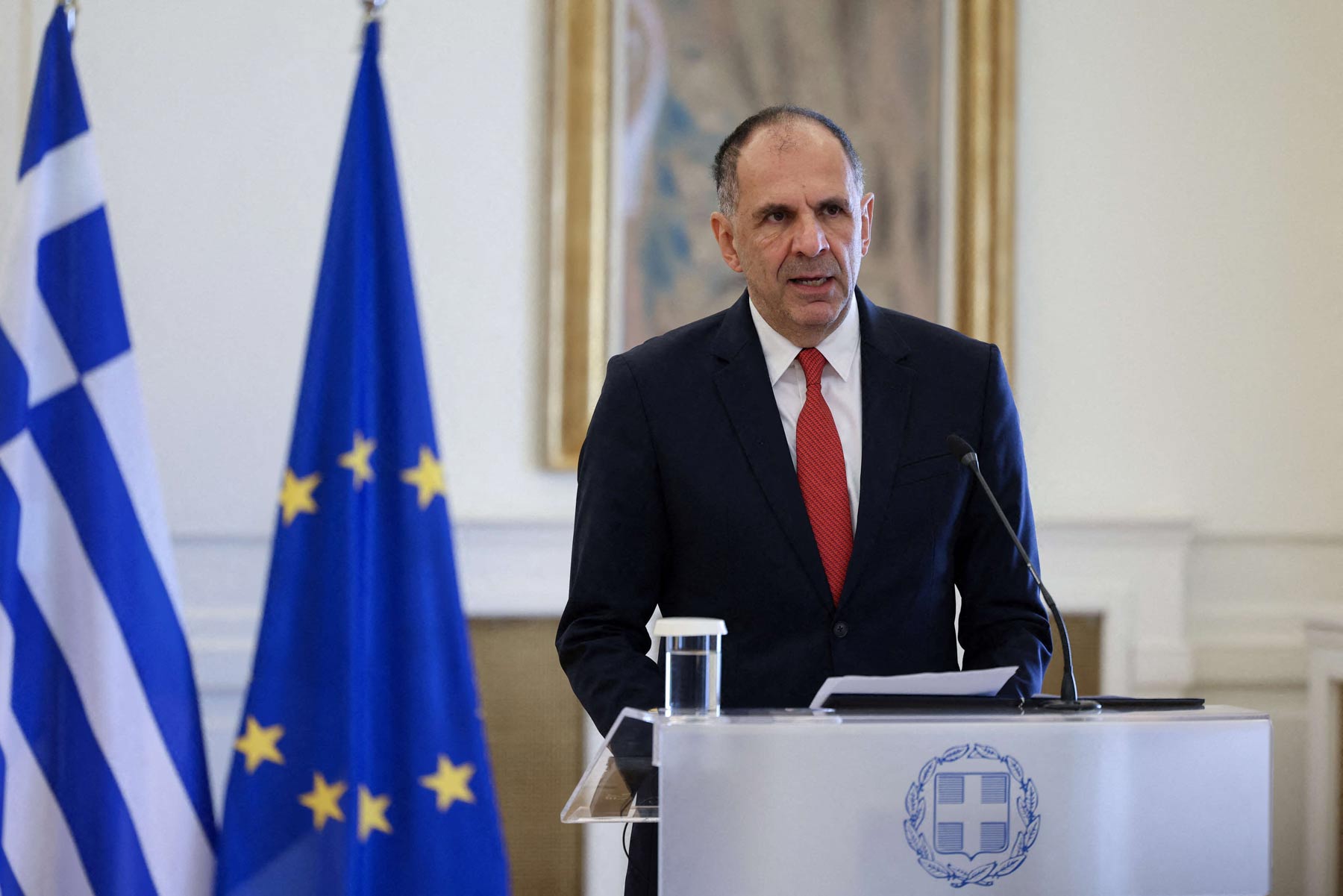
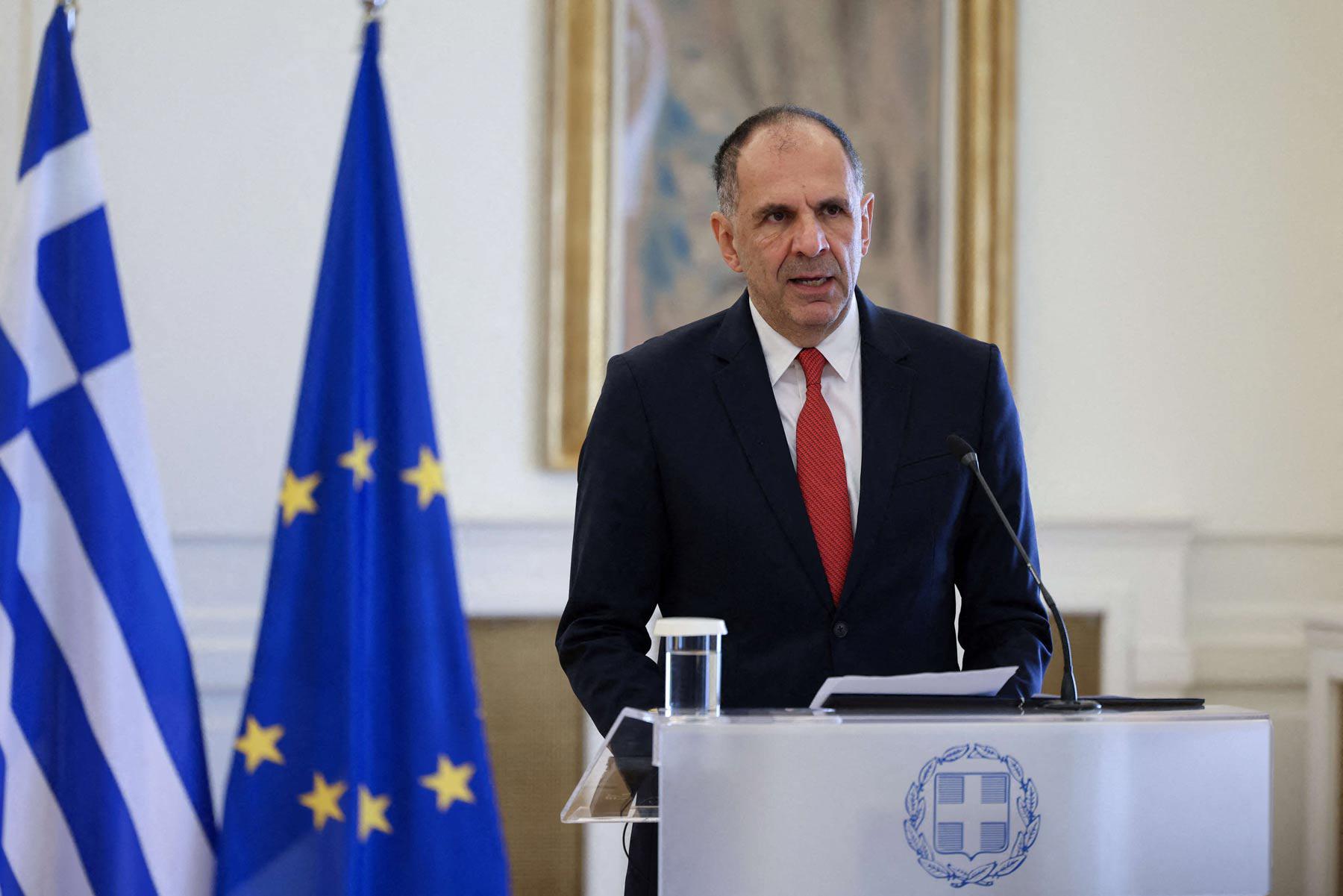
At the centre of the discussions between Taher al-Baour and Giorgos Gerapetritis were overlapping claims to maritime zones, particularly in waters south of Crete, an area believed to hold significant hydrocarbon potential and long contested by both sides.
While both governments publicly committed to dialogue based on international law, the underlying dispute remains unresolved and politically sensitive, shaped in part by Libya’s 2019 maritime agreement with Turkey, which Athens views as undermining its own maritime claims.
That agreement has become a persistent source of friction in Greek-Libyan relations and a wider point of contention in Eastern Mediterranean geopolitics, where energy exploration rights have increasingly intersected with shifting regional alliances.
The talks also highlighted how migration has become inseparable from maritime diplomacy. Greece has faced sustained arrivals from eastern Libya, and Athens has pushed for stronger Libyan cooperation on border control, training and security coordination.
Libya, in turn, has framed migration as a shared Mediterranean challenge requiring burden-sharing, technical assistance and international support, rather than unilateral containment measures.
Beyond these immediate issues, both sides also signalled interest in expanding economic cooperation, particularly in energy, infrastructure and maritime transport. For Libya, reconstruction remains a central priority, and engagement with European companies is seen as part of efforts to revive its economy under the Return of Life initiative.
Greece, meanwhile, is seeking to reassert its role as a key European actor in Eastern Mediterranean energy diplomacy, especially as competition over offshore resources intensifies.
The maritime dispute itself has deep roots, with negotiations over sea boundaries dating back decades and repeatedly stalled by political crises in Libya and regional disagreements. A joint technical committee established in 2020 resumed discussions only recently, underscoring how slowly progress has moved.
Tensions escalated again after Greece moved forward with hydrocarbon exploration licensing south of Crete in 2025, including areas Libya considers disputed, prompting renewed objections from Tripoli.
Despite these tensions, both sides appear keen to avoid escalation. The emphasis on “international law” in Monday’s joint messaging reflects an effort to contain disputes within legal and diplomatic channels rather than allow them to spill into broader confrontation.
However, the structural challenges remain significant. Libya’s fragmented political landscape continues to complicate long-term negotiations, while Greece’s energy ambitions and regional alliances limit flexibility.
For now, the renewed dialogue signals cautious diplomatic engagement rather than resolution. But with energy security, migration pressure and competing maritime claims all converging, the Eastern Mediterranean dispute between Libya and Greece remains far from settled.