

US-Israeli war on Iran drove up the shipping costs
Lloyd introduces war risk surcharge for Gulf cargo due to volatile Gulf waters
The German shipping group says the charge will be $1,500 per TEU for standard containers and $3,500 per container for reefer containers and special equipment.
Monday 02/03/2026
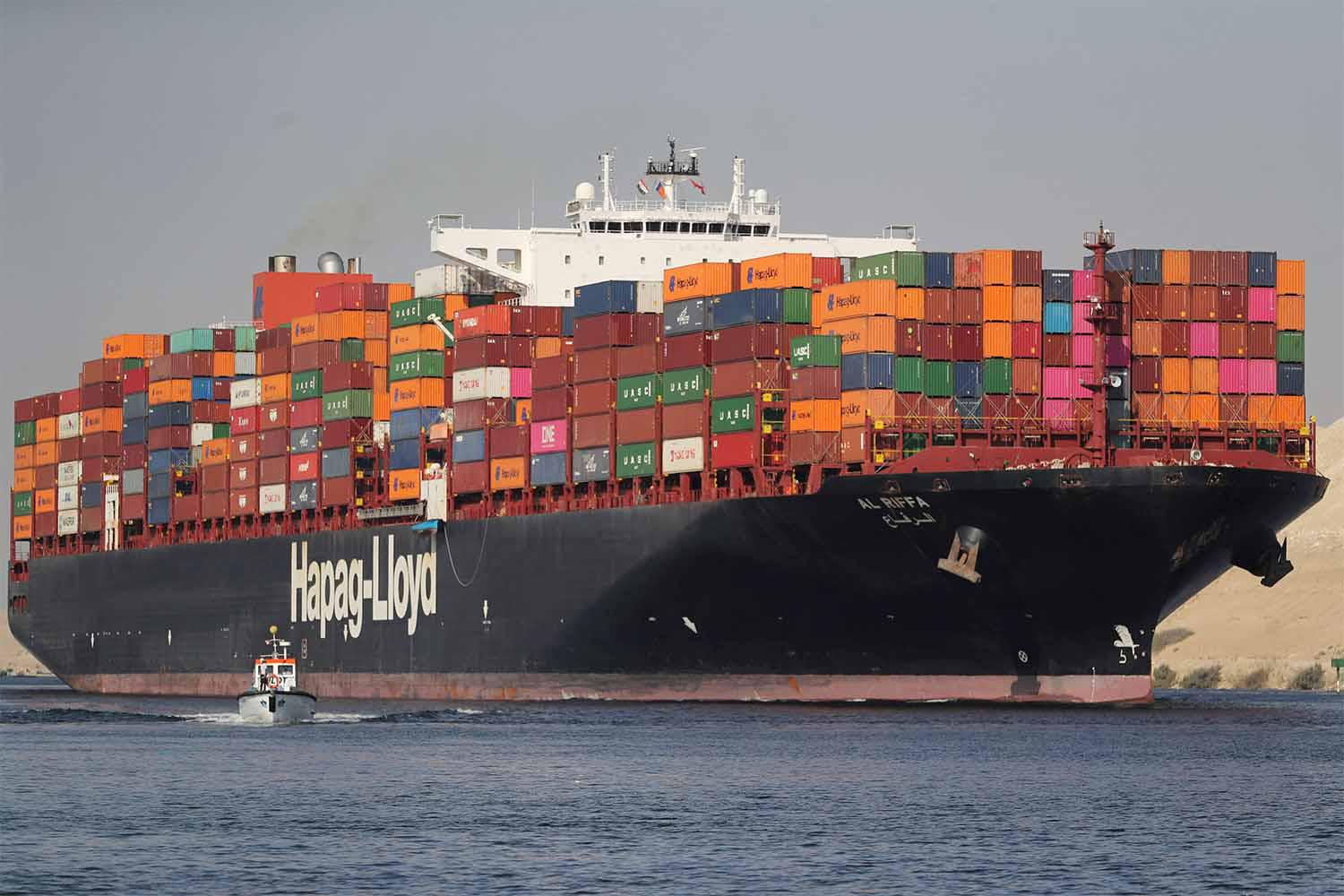
US-Israeli war on Iran drove up the shipping costs
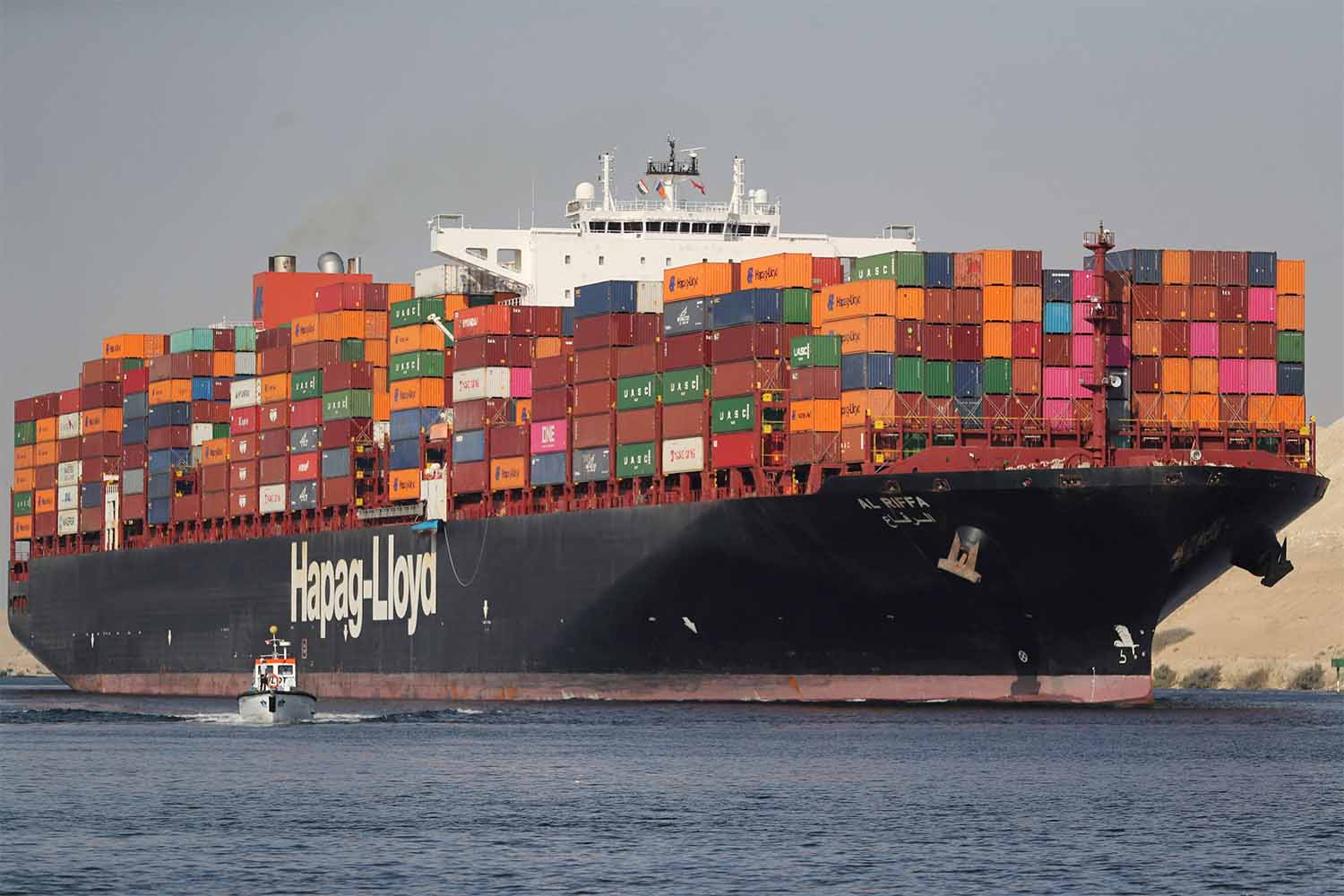
BERLIN - German shipping group Hapag-Lloyd is introducing a war risk surcharge for cargo to and from the Upper Gulf, Arabian Gulf and Persian Gulf from March 2 until further notice due to the dynamic situation around the Strait of Hormuz and disruption.
The charge will be $1,500 per TEU for standard containers and $3,500 per container for reefer containers and special equipment, it said in a statement on its website on Sunday.
The charge will be borne by the booking party (typically the shipper or forwarder), reflecting the additional costs and elevated risks faced by carriers operating in the volatile Gulf waters.
Hapag-Lloyd cited the "dynamic situation around the Strait of Hormuz" and the need for enhanced security measures as the primary drivers behind the decision.
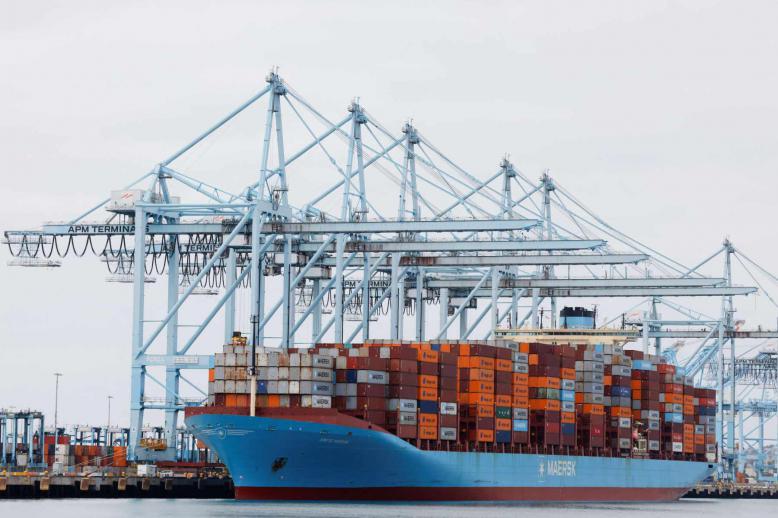
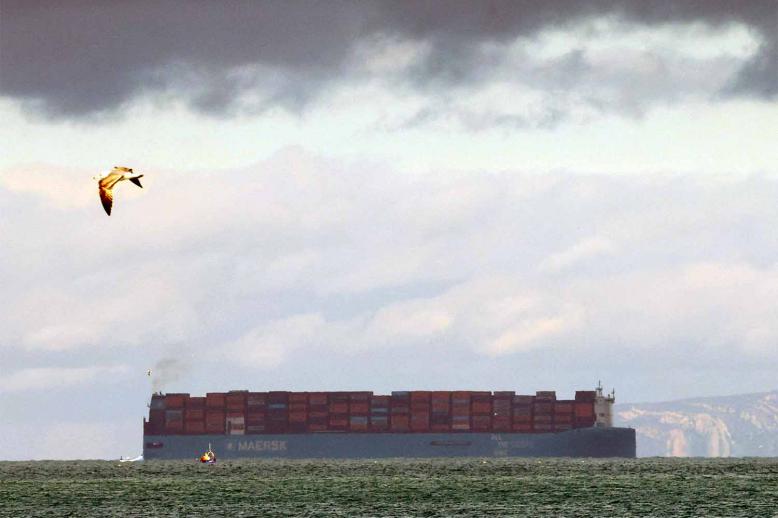
The shipping group’s announcement aligns with a wave of adjustments across the global shipping sector triggered by the rapid escalation in the Middle East. Major carriers including Maersk and CMA CGM have paused or rerouted sailings through the Bab el-Mandeb Strait and are diverting vessels around the Cape of Good Hope to avoid conflict zones.
CMA CGM introduced its own emergency conflict surcharge for a wider list of destinations, including Iraq, Bahrain, Kuwait, Yemen, Qatar, Oman, UAE, Saudi Arabia, Jordan, Djibouti, Sudan, Eritrea, and the Red Sea port of Ain Sokhna.
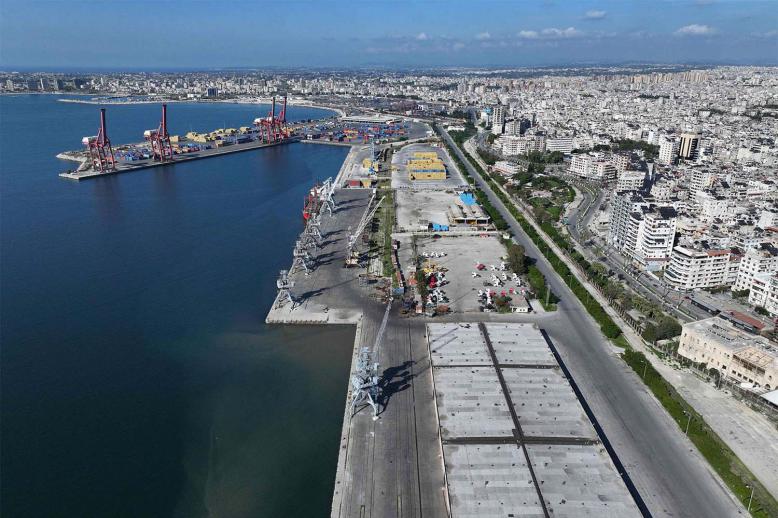
Ports such as Jebel Ali in Dubai (operated by DP World)were temporarily suspended operations as a precautionary measure following reports of missile activity in the area.
Insurers have canceled or sharply increased war risk premiums for vessels transiting the Gulf and Strait of Hormuz, with rates reportedly rising by up to 50% from previous levels of around 0.25% of a ship's replacement value.
These measures highlight the severe impact of the conflict on maritime trade routes, particularly the critical chokepoint of the Strait of Hormuz, through which roughly 20-30% of global seaborne oil and a significant portion of liquefied natural gas pass.
The surcharge and rerouting decisions are expected to drive up freight costs for importers and exporters reliant on Gulf ports, potentially adding hundreds to thousands of dollars per container depending on equipment type and route.
Delays from longer voyages around Africa, combined with capacity constraints and insurance hikes, could further strain supply chains already under pressure from geopolitical uncertainty.