



The total 1.65-billion-dirham envelope will be drawn from existing budgetary reserves and contingency funds
Morocco approves $167 million economic shield against Middle East war fallout
The government freezes butane, electricity and professional transport prices in a sweeping support package to protect households and businesses from energy shock and inflation.
Friday 03/04/2026
The total 1.65-billion-dirham envelope will be drawn from existing budgetary reserves and contingency funds
RABAT — Morocco’s government on Thursday approved a comprehensive emergency package valued at 1.65 billion dirhams ($167 million) designed to cushion the national economy from the ripple effects of the ongoing Middle East war, officials announced following a cabinet meeting.
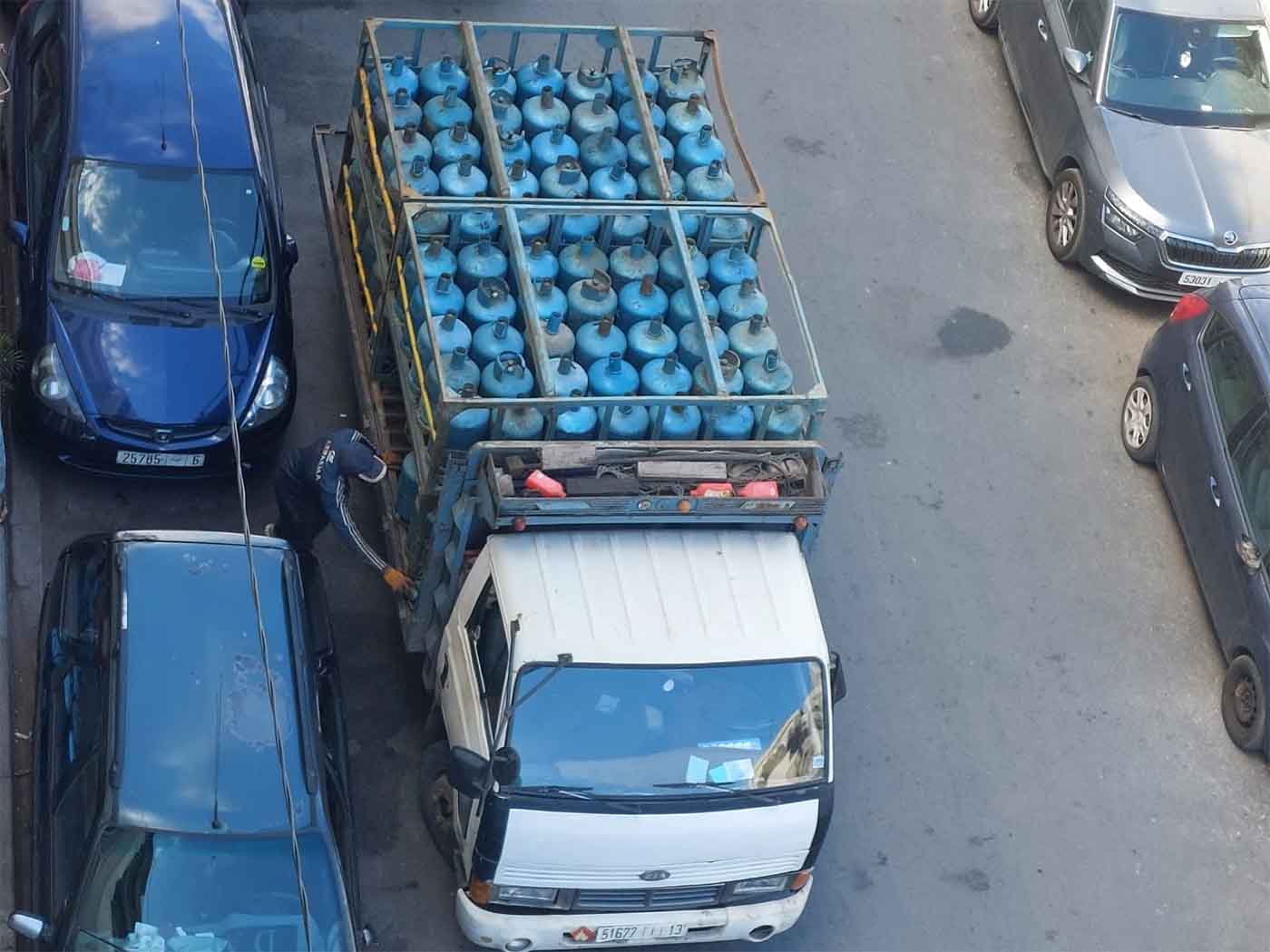
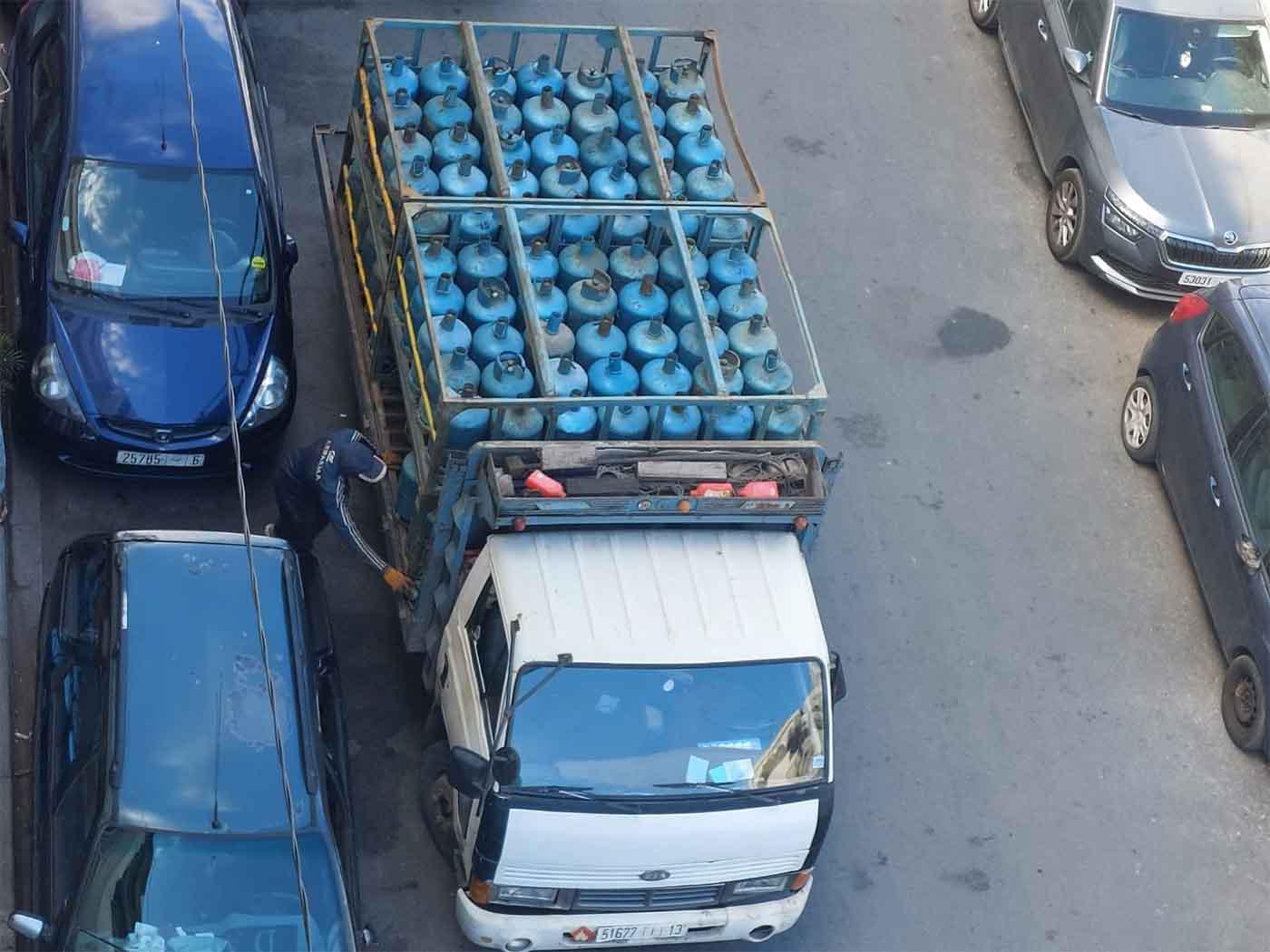
The package focuses on immediate price stability and targeted support for vulnerable sectors, with the centrepiece being a temporary freeze on the prices of butane gas, electricity, and professional transport services. The measures aim to prevent sharp cost increases from being passed on to citizens and businesses amid global energy market turbulence caused by the regional conflict.
Since the escalation of hostilities on February 28 — marked by Iranian strikes across the Gulf and disruptions to maritime routes — international oil and shipping costs have surged, threatening to drive up inflation in import-dependent economies like Morocco. The government described the package as a “proactive and decisive” response to safeguard purchasing power and economic continuity.
Key Measures in the Support Package
- Price Freeze on Essentials: Butane (widely used for household cooking and heating), electricity tariffs, and fares for professional transport (taxis, buses, and freight) will be held at current levels for a specified period, shielding millions of Moroccan families and small enterprises from immediate price hikes.
- Targeted Subsidies and Compensation: The package includes direct financial support to state-owned utilities and transport operators to cover the gap between frozen consumer prices and rising international costs.
- Broader Economic Relief: Additional allocations will support affected sectors such as agriculture, fisheries, and small- and medium-sized enterprises facing higher fuel and logistics expenses.
The total 1.65-billion-dirham envelope will be drawn from existing budgetary reserves and contingency funds, ensuring no new taxes or borrowing are required in the short term.
Prime Minister Aziz Akhannouch stated that the decision reflects the government’s commitment to “preserving social cohesion and economic stability at a time when external shocks could otherwise burden citizens.” He added that the measures are temporary and will be reviewed regularly based on developments in the Middle East and global energy markets.
Morocco, though not directly involved in the conflict, is highly exposed to its economic consequences. The country imports nearly all of its energy needs, and any sustained disruption in the Strait of Hormuz or spikes in oil prices directly affects inflation, transport costs, and the cost of living.
By freezing key utility and transport prices, authorities expect to limit headline inflation, protect low- and middle-income households (particularly in rural areas where butane is a daily necessity), and prevent a slowdown in economic activity. Economists estimate the package could save the average household several hundred dirhams per month while helping businesses maintain competitiveness.
The move comes as part of a wider regional trend. Gulf and North African governments have rolled out similar support measures in recent weeks to absorb war-related shocks. Moroccan officials have stressed that the package complements ongoing diplomatic efforts and energy diversification strategies, including renewable energy expansion under the National Energy Strategy.
Implementation begins immediately, with the price freezes taking effect from Friday. The government has pledged full transparency in the allocation of funds and has called on citizens and businesses to report any attempts to circumvent the measures.