



Authorities continue to stress caution
Morocco begins phased return of flood evacuees after major relief effort
Authorities in Ksar El Kebir said they were coordinating with cities hosting displaced residents to organise the phased return, mobilising buses.
Sunday 15/02/2026
Authorities continue to stress caution
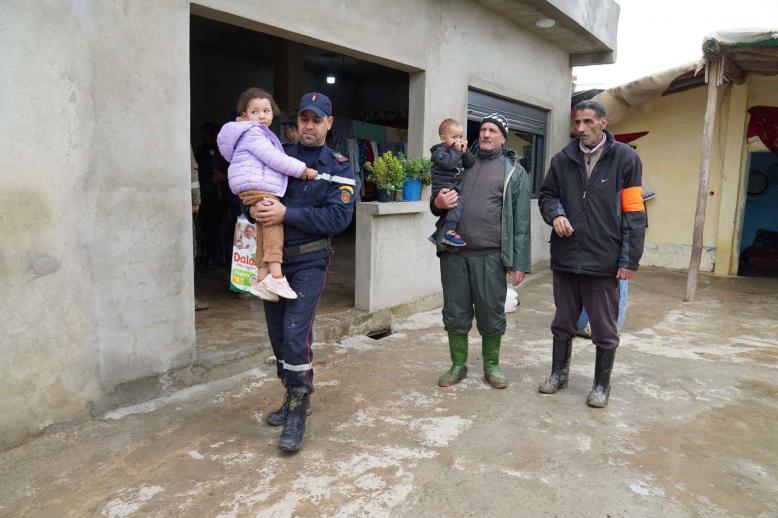
RABAT – Moroccan authorities announced on Saturday the start of a phased and secure return of residents evacuated from flood-hit areas in the northern provinces of Larache, Kenitra, Sidi Kacem and Sidi Slimane, following an improvement in weather conditions and intensive rehabilitation work.
The Interior Ministry said the return of citizens to their homes would be conditional on “the availability of appropriate safety and security conditions and the restoration of essential services.”
Since February 7, authorities have gradually begun clearing flood debris in neighbourhoods where hydrological conditions permit, alongside large-scale cleaning campaigns and efforts to restore drinking water, electricity, sanitation and telecommunications networks. Roads and access routes are also being reopened in preparation for residents to return under what officials described as optimal health and environmental conditions.
Separate statements were issued by the provincial authorities of Kenitra, Larache, Sidi Kacem and Sidi Slimane, areas officially designated by the government as “disaster zones” after widespread flooding.
The Larache governorate said residents temporarily evacuated due to exceptional weather conditions would begin returning from Sunday. Authorities in Sidi Slimane, Sidi Kacem and Kenitra confirmed the same timetable for the first phase of repatriation.
Local officials have identified the neighbourhoods included in the initial stage and said an integrated implementation plan had been adopted to organise a safe and gradual return. Free buses and train services will be provided from early Sunday morning to transport residents back to their areas.
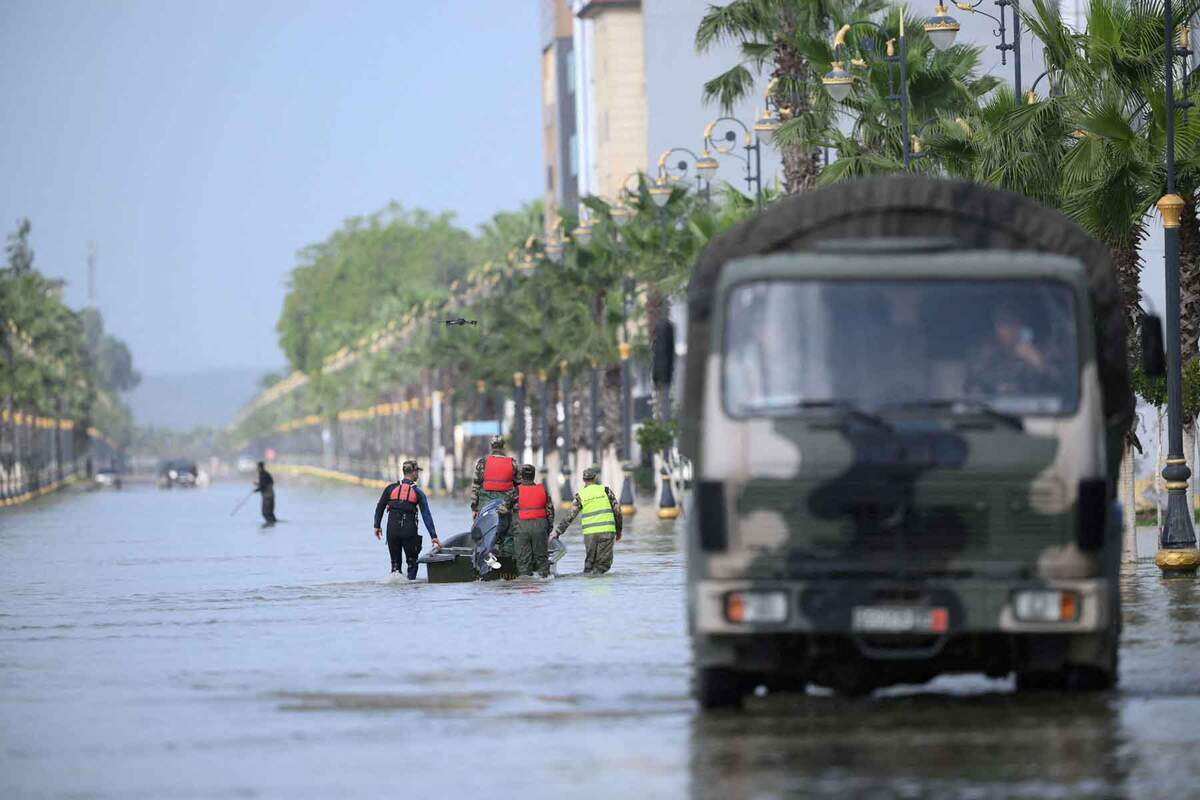
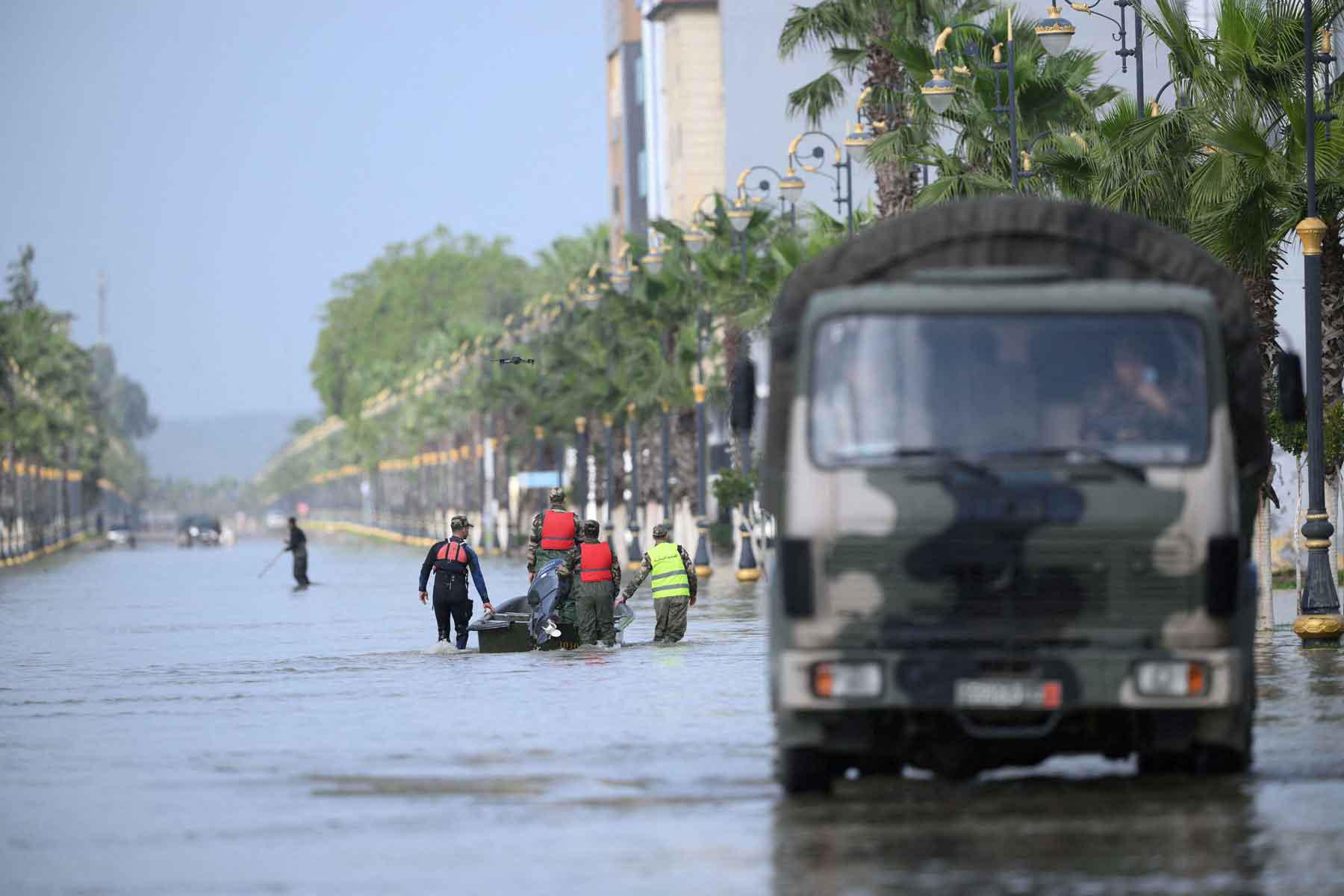
The floods, which began on January 28, inundated several cities in the affected provinces, with the town of Ksar El Kebir in Larache among the hardest hit. The overflow of the Oued El Makhazine dam, which reached 156 percent of its capacity, led to significant flooding.
Waters continue to isolate several villages amid concerns that ongoing controlled releases from certain dams, including Oued El Makhazine, could prolong disruption.
Earlier on Saturday, the Interior Ministry said areas included in each phase of the return would be announced progressively in line with developments on the ground. Residents whose areas have not yet received official clearance were urged not to return until updates confirming safety are issued.
Monitoring points have been established at entry points to affected zones to regulate movement and ensure compliance with return procedures. Each province has adopted a tailored action plan to secure “the gradual resumption of public services,” based on a flexible approach that takes into account evolving field conditions and guarantees continuity of essential facilities once residents return.
On Friday, the Moroccan government announced compensation payments of 140,000 dirhams (approximately $14,000) for each home that collapsed as a result of the floods, in addition to 6,000 dirhams (around $600) for each affected family.
A day earlier, Rabat allocated $300 million to support flood-stricken regions that suffered significant human and material losses and saw mass evacuations.
According to official figures, around 188,000 people were evacuated from the four provinces after floodwaters submerged more than 110,000 hectares of land.
Authorities in Ksar El Kebir said they were coordinating with cities hosting displaced residents to organise the phased return, mobilising buses and ensuring the process takes place safely and efficiently.
Local sources reported signs of renewed activity in the town on Saturday, after days of paralysis. Shops and restaurants were preparing to reopen in anticipation of the gradual resumption of normal life in a city known for its commercial vitality.
The town’s weekly market, Ouled Hmaid, is set to reopen on Sunday to ensure the replenishment of essential goods for residents and neighbouring villages.
While the return marks a significant step towards recovery, authorities continue to stress caution, warning that progress will depend on ongoing assessments of safety conditions and infrastructure resilience in the flood-affected areas.