

More than a resource tender
Morocco launches vast mining drive in eastern provinces
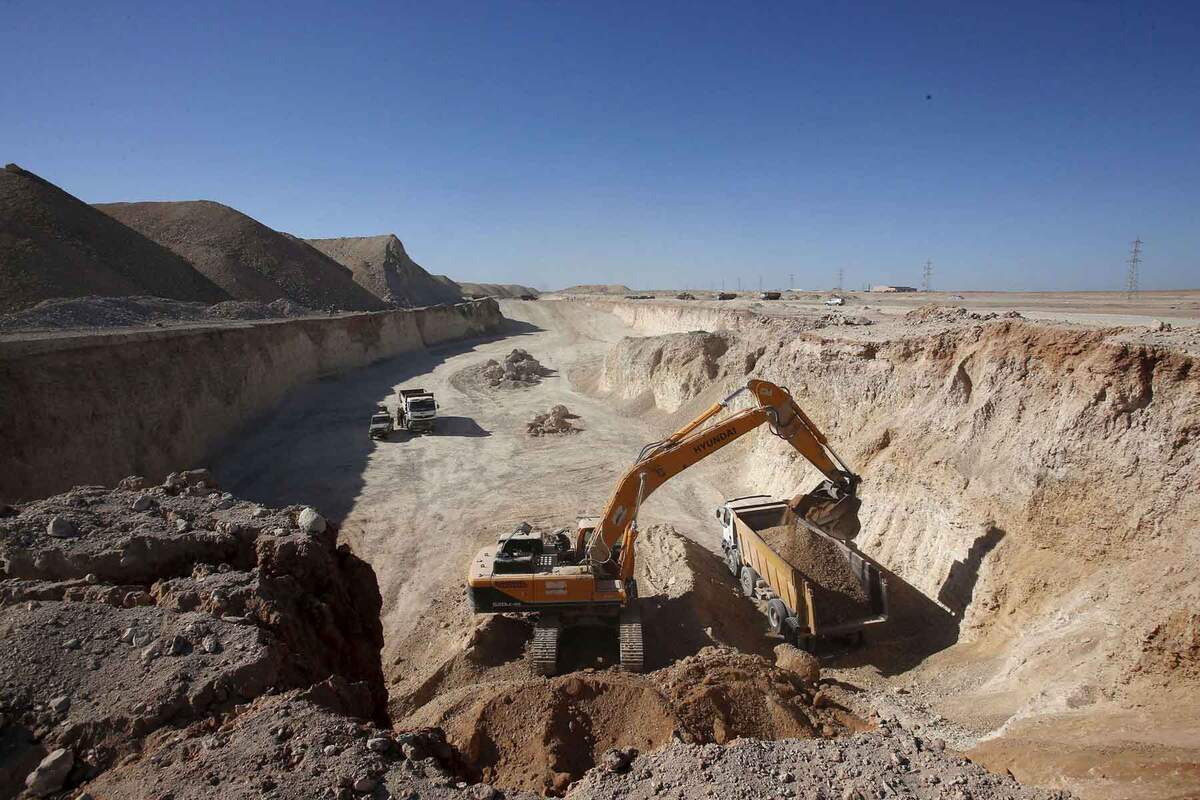
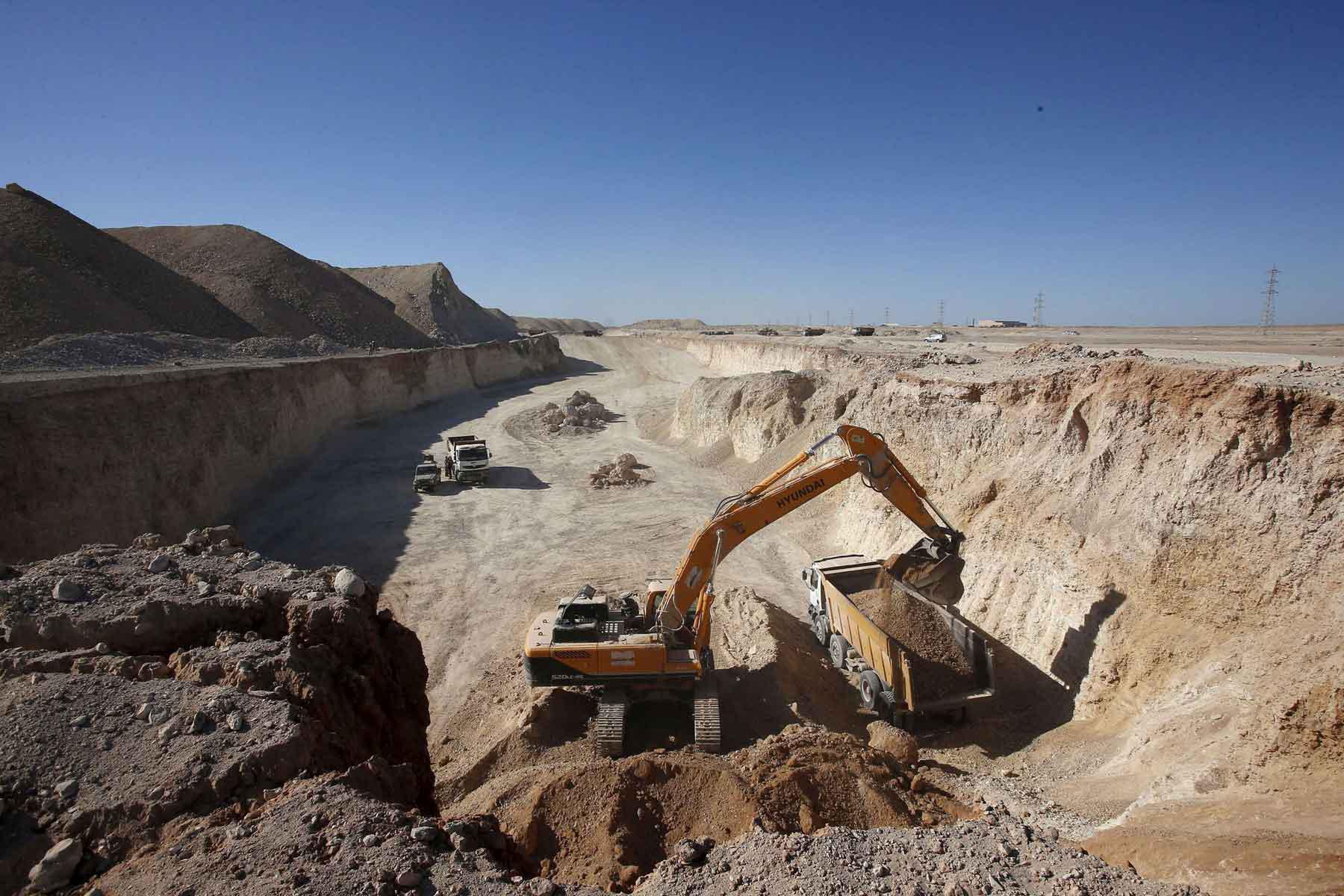
The programme encompasses 361 exploration blocks, representing around 22 percent of the total mining domain in the basin.
Wednesday 18/02/2026
More than a resource tender
RABAT – In a move reflecting Morocco’s ambition to position itself as a regional mining powerhouse, the Ministry of Energy Transition and Sustainable Development has unveiled an expansive public tender for the exploration of precious and strategic minerals across the kingdom’s eastern provinces.
The initiative covers approximately 13,000 square kilometres in the Tafilalet and Figuig mining basin, an area larger than entire sovereign states such as Qatar or Lebanon, signalling what officials describe as a new phase of Moroccan “mineral sovereignty.”
Far from being a purely geological calculation, the choice of Figuig and Tafilalet carries strong developmental overtones. The eastern borderlands, long peripheral to Morocco’s economic core, are now being cast as a future national growth engine. The programme encompasses 361 exploration blocks, representing around 22 percent of the total mining domain in the basin, opening the door to substantial domestic and foreign investment.
Beyond extraction: a strategic reset
The areas in question are rich in gold, silver, copper, lead, zinc and barite, among other resources. Yet the government’s approach departs markedly from traditional extractive models. Rather than simply auctioning rights, the ministry has embedded strict environmental, social and governance conditions into the competition framework.
Central to the initiative is the implementation of the Marrakech Declaration of November 24, 2025, adopted during the International Mining Conference hosted in Morocco. The declaration commits the sector to robust environmental safeguards, social responsibility and improved governance standards, principles designed to attract global capital increasingly focused on ESG-compliant “green mining.”
Four strategic pillars underpin the tender. Applications will be assessed through a multi-criteria system that weighs not only technical expertise and financial strength but also local socio-economic impact and compliance with health and safety standards. Companies will be required to integrate renewable energy solutions, rationalise water consumption and adopt circular economy practices aimed at reducing waste and reusing materials.
Additional incentives will favour proposals that present fully integrated sustainable mining models, combining clean energy, storage technologies and value-added processing. In effect, Rabat is seeking to move up the value chain, positioning itself not merely as a supplier of raw materials but as a regional industrial platform.
The programme forms part of Morocco’s wider strategy to triple revenues from the mining sector (excluding phosphates) by 2030. Officials increasingly frame certain minerals, particularly copper, as the “new oil” of the global energy transition. While gold and silver continue to represent sovereign stores of value, copper and zinc are critical to electric vehicle batteries, renewable energy infrastructure and clean power transmission.
Rabat’s long-term vision is to supply emerging gigafactories in Kenitra and Tangier with domestically sourced critical minerals, integrating mining with downstream battery and clean energy manufacturing. Such vertical integration would strengthen Morocco’s leverage in global supply chains and enhance its strategic weight in negotiations with major partners, including the European Union and China.
Digital reform and local inclusion
Earlier this year, Morocco launched a national digital mining registry, a reform aimed at streamlining licensing procedures and reducing bureaucratic obstacles. Officials argue that digitalisation will mitigate legal uncertainty and make the kingdom more attractive to major international investors wary of regulatory risk.
At the local level, success in Tafilalet and Figuig will depend on integrating thousands of small-scale miners into structured cooperatives. The ministry has already begun efforts to formalise these operators, offering stable incomes and professional safety standards in place of precarious informal activity.
Ultimately, the project represents more than a resource tender. It is a test of Morocco’s capacity to balance industrial ambition with environmental responsibility and regional development. By placing “the local citizen” at the centre of the mining process, as ministry officials describe it, the kingdom hopes to transform historically marginalised territories into pillars of a greener, more diversified national economy.
Interested companies have until 15 May at 4:30 p.m. to submit applications through the regional directorates in Errachidia and Oujda, depending on the block’s location, a deadline that may mark the beginning of a new chapter in Morocco’s resource strategy.