

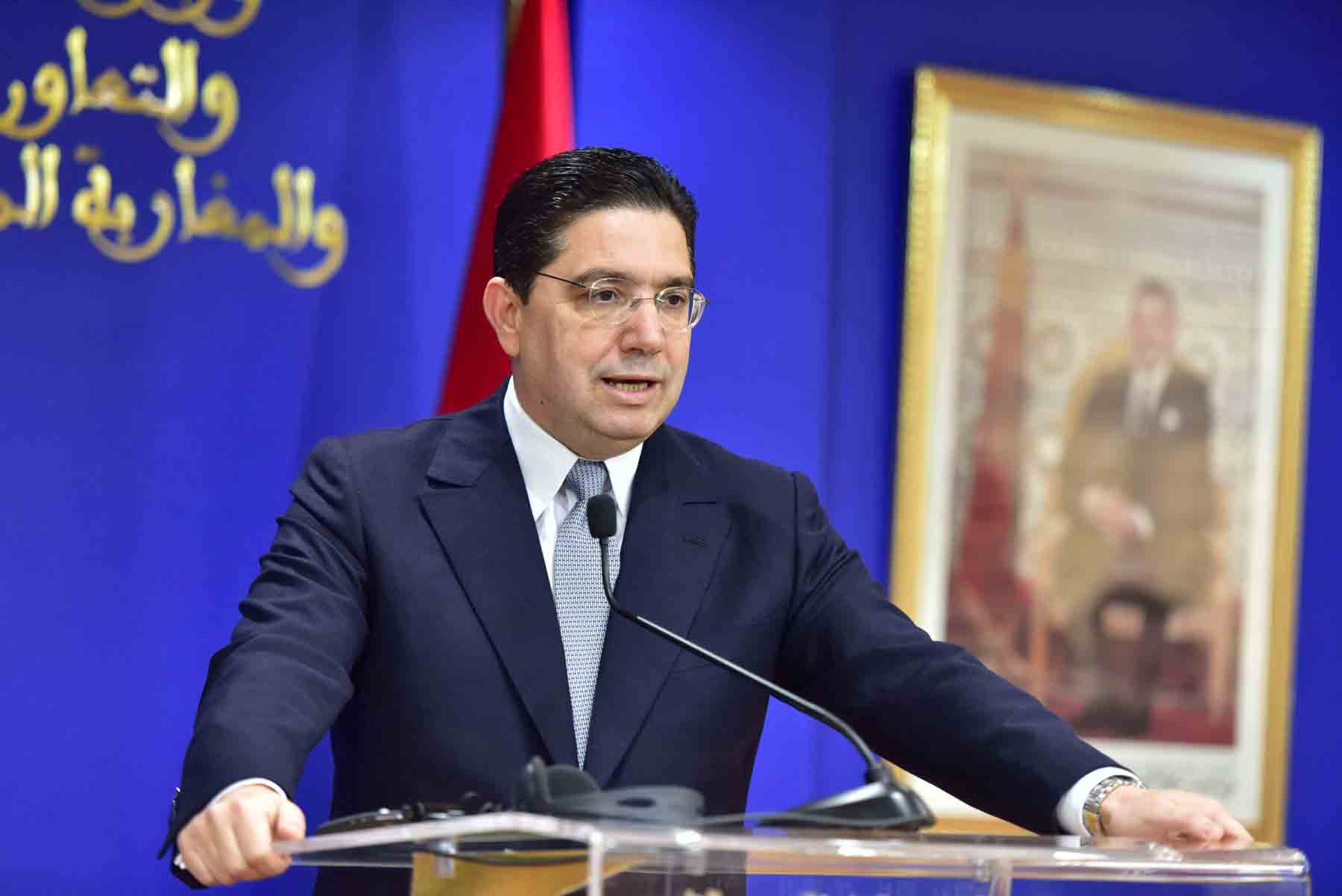
Bourita: It is a multi-dimensional strategic partnership built on converging interests and shared challenges
Morocco rallies Arab solidarity with Gulf states in face of Iran threats
Morocco has consistently emphasised that the security of the Gulf forms part of its national security.
Monday 16/03/2026
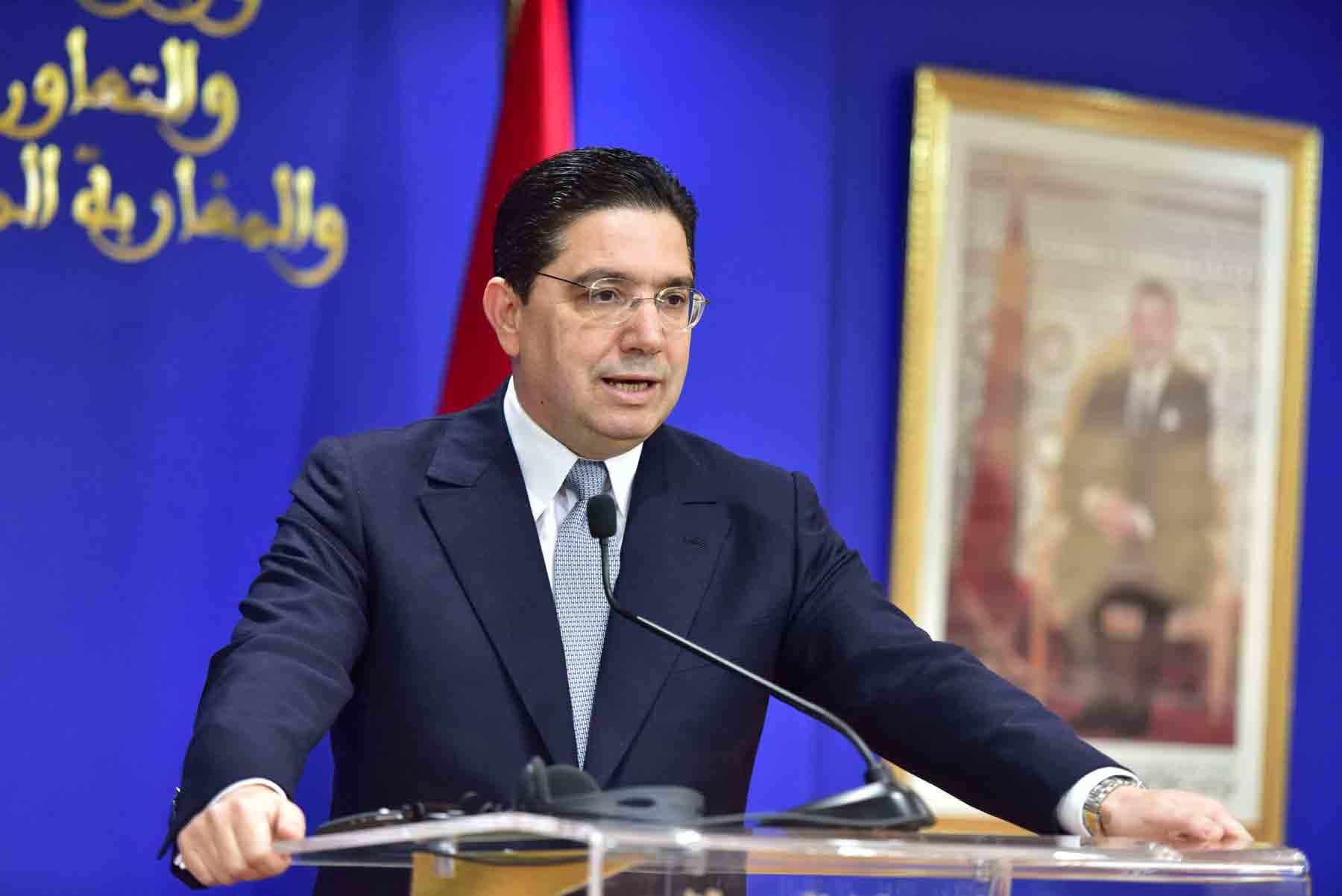
Bourita: It is a multi-dimensional strategic partnership built on converging interests and shared challenges
RABAT/CASABLANCA – Morocco has once again reaffirmed its firm backing for the security and stability of Gulf Cooperation Council (GCC) states amid escalating regional tensions following what it described as Iran’s attacks on Gulf nations. The move underscores Rabat’s view that the security of the Gulf is no longer a narrow regional issue but a key element of broader Arab stability.
Moroccan Foreign Minister Nasser Bourita emphasised that Morocco provides “full support” to GCC members in confronting “unjustified Iranian aggression,” noting that the kingdom stands with its Gulf partners in all measures to defend sovereignty, protect security, and ensure the safety of citizens and residents.
Speaking during the eighth joint ministerial meeting between Morocco and the GCC, held via videoconference, Bourita said that the current phase of regional turbulence requires the two sides to strengthen and expand their strategic partnership to meet the scale of mounting regional and international challenges.
“Rabat does not view its relationship with the Gulf states merely as political solidarity,” Bourita said. “It is a multi-dimensional strategic partnership built on converging interests and shared challenges.”
The Moroccan position was reinforced through a series of early telephone calls by King Mohammed VI to Gulf leaders in the wake of the Iranian attacks. These contacts were widely interpreted as a signal that Morocco stands firmly alongside its allies during moments of crisis. Observers noted that the outreach carried particular weight because it went beyond routine diplomatic statements, highlighting the depth of political and personal ties linking the Moroccan monarchy with Gulf leaderships.
Bourita recalled the framework set at the Morocco-Gulf summit in 2016, when King Mohammed VI highlighted that ties between Morocco and the Gulf states are founded not only on geographic proximity or cultural and religious links but also on shared values, interests, and security challenges. That summit marked a turning point in institutionalising Morocco-GCC cooperation, which has since evolved through regular ministerial meetings and joint action plans.
Morocco has consistently emphasised that the security of the Gulf forms part of its national security. Bourita announced that the Morocco-GCC joint action plan would be extended to cover the period 2025–2030, focusing on investment, economic collaboration, and expanding private sector and sovereign wealth fund involvement. Officials say this will provide a durable foundation for political and security cooperation, especially amid rapid global technological and economic shifts.
GCC foreign ministers expressed appreciation for Morocco’s stance, praising the kingdom’s “fraternal and active solidarity” and highlighting the unique political and personal ties linking King Mohammed VI with Gulf leaders. They said Morocco’s support would strengthen joint efforts to promote regional stability and deepen the strategic partnership.
Bourita stressed that the concept of national security now encompasses not only military and security considerations but also economic resilience, social stability, and the ability of states to provide for their populations during crises. This approach reflects a broader Arab strategic perspective in which energy security, supply chains, and food security are integral to regional stability.
Morocco’s stance also signals a broader commitment to Arab solidarity in confronting regional turbulence, with the kingdom seeking to reinforce its role as a strategic partner in regional security while promoting a more cohesive Arab cooperation framework capable of addressing mounting crises.
During the ministerial meeting, Bourita reiterated Morocco’s support for a just and lasting solution to the Palestinian issue, noting that King Mohammed VI, as chairman of the Al-Quds Committee, continues to call for renewed regional and international efforts to achieve a two-state solution with East Jerusalem as the Palestinian capital.
The current regional crisis stems from the US-Israeli strike on Iran on February 28, which reportedly killed top Iranian leaders and civilians, including schoolchildren. In retaliation, Iran has targeted US facilities and Gulf nations’ infrastructure, with attacks continuing on civilian and strategic sites. Morocco’s diplomatic outreach and firm support for the Gulf states come amid this volatile backdrop, highlighting its determination to protect Arab stability and regional security.