

A political crisis on the horizon
Morocco sends signal to Berlin: era of pick and choose cooperation is over
Morocco suspends all contacts with German embassy to Rabat to send message to Berlin that cooperation is not à la carte.
Tuesday 02/03/2021
A political crisis on the horizon
RABAT – The decision of Morocco’s foreign ministry to suspend Monday all its ties with the German embassy in Rabat was aimed at ending the era of pick and choose cooperation that best suited Berlin.
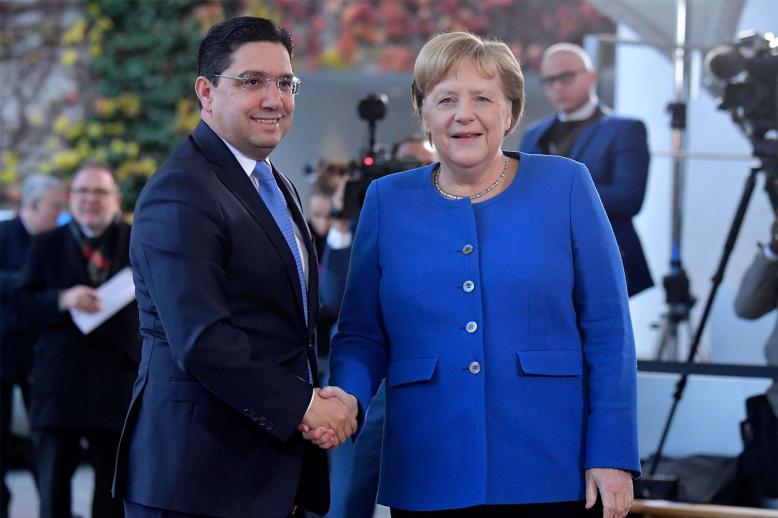
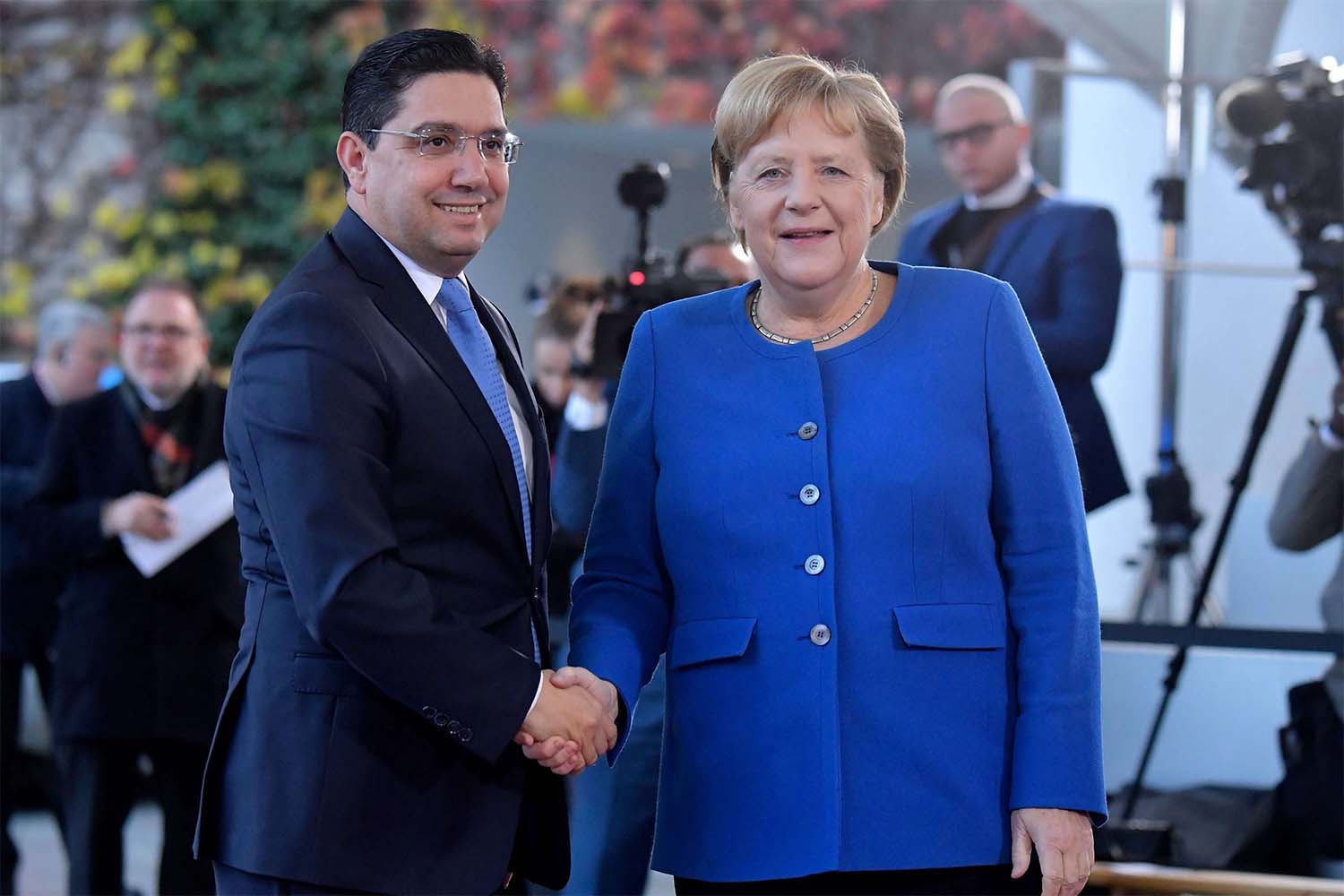
“Because of the deep misunderstandings with Germany on the subject of fundamental questions of the Kingdom of Morocco, the ministerial departments and all the bodies which come under their supervision, are requested to kindly suspend all contacts, interactions or cooperation actions, in any case or in any form, both with the German Embassy in Morocco, the German cooperation organisations and political foundations linked to it,” said Moroccan Foreign Minister Nasser Bourita in a letter addressed to the various members of the government , a copy of which was received by Middle East Online.
“Any derogation from this suspension can only be done on the basis of a prior explicit agreement from the Foreign Ministry of Foreign Affairs, African Cooperation and Moroccans Residing Abroad, said Bourita.
“The relationship between Morocco and another country is not compartmentalized into separate levels. There is not politics on one hand and the economy or agriculture on the other. It is a whole set to be entirely taken," said the source, adding that "cooperation is not à la carte!"
Political ties between Rabat and Berlin had been cold when Germany excluded Morocco from taking part in the Berlin Conference on Libya held in January 2020, knowing very well that the North African kingdom had been a key player in trying to resolve the Libyan crisis, especially with the conclusion of both the Skhirat and Bouznika agreements between the warring parties.
Bourita expressed his surprise and astonishment at the Germany’s real motives behind its choice of countries taking part in the Conference.
Morocco’s territorial integrity had also been undermined by German politicians following former US President Donald Trump’s official recognition of Moroccan sovereignty over its Sahara.
German officials, including a member of the federal government, publicly criticized the move, overriding their reserved right to comment on a sovereign state’s decision. Germany, a non-permanent member of the UN Security Council, went so far as to convene a closed meeting, in December 2020, of the United Nations Security Council it chaired on the Sahara issue, following Trump’s decision.
Protests from Moroccan diplomacy to Berlin over such hostilities had fallen on deaf ears, prompting Rabat to channel its ties with Berlin exclusively through diplomatic channels.
Bourita’s firm letter is sending a strong signal to Berlin to rethink its relations with Rabat and that the era of pick and choose cooperation is over!