


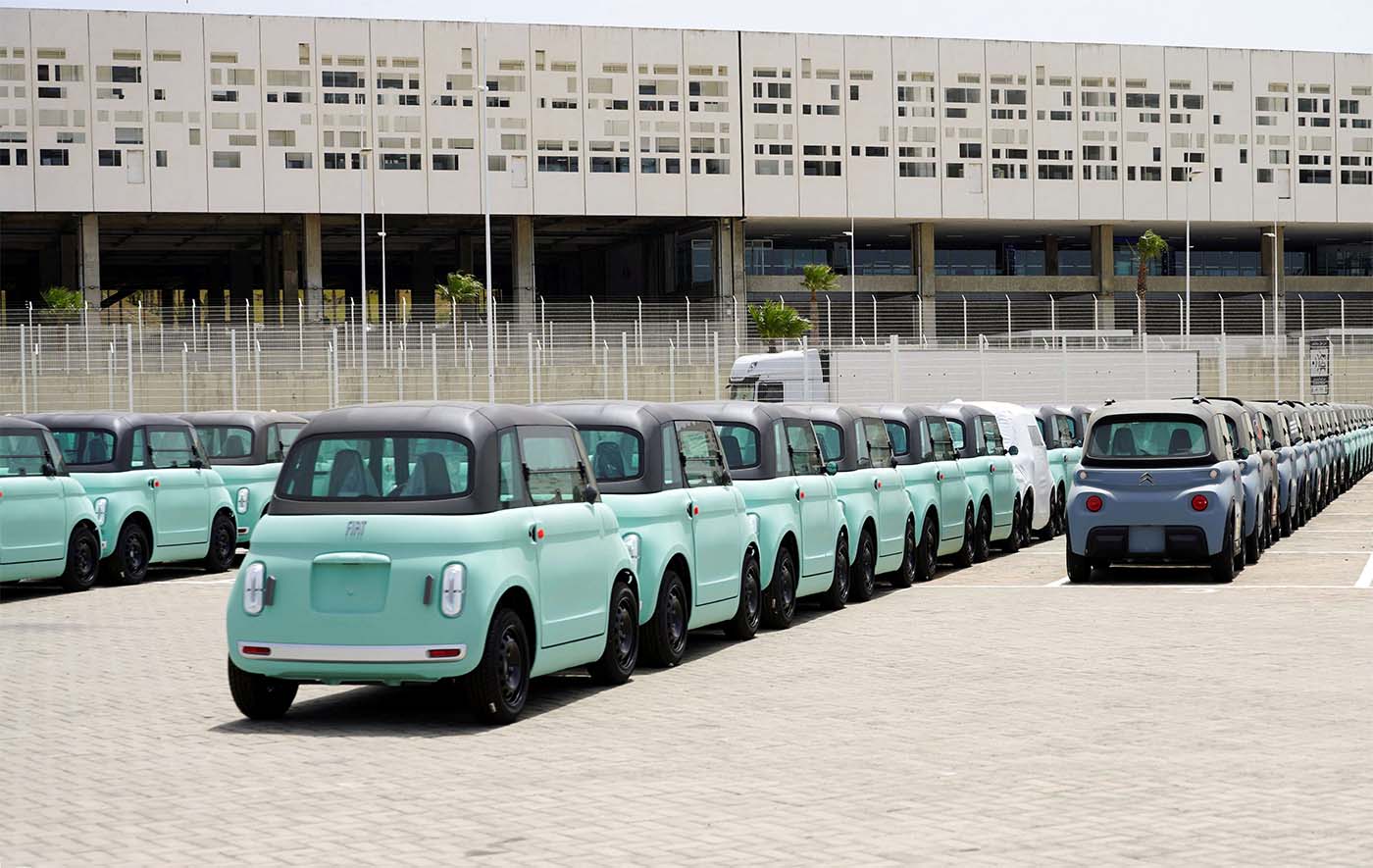
Morocco's automotive exports reached approximately $15.4 billion
Morocco tops Africa’s exporting nations of consumer goods
The ranking highlights Morocco's rapid industrial transformation, positioning it ahead of traditional powerhouses like South Africa and Nigeria in exporting value-added products.
Monday 09/03/2026
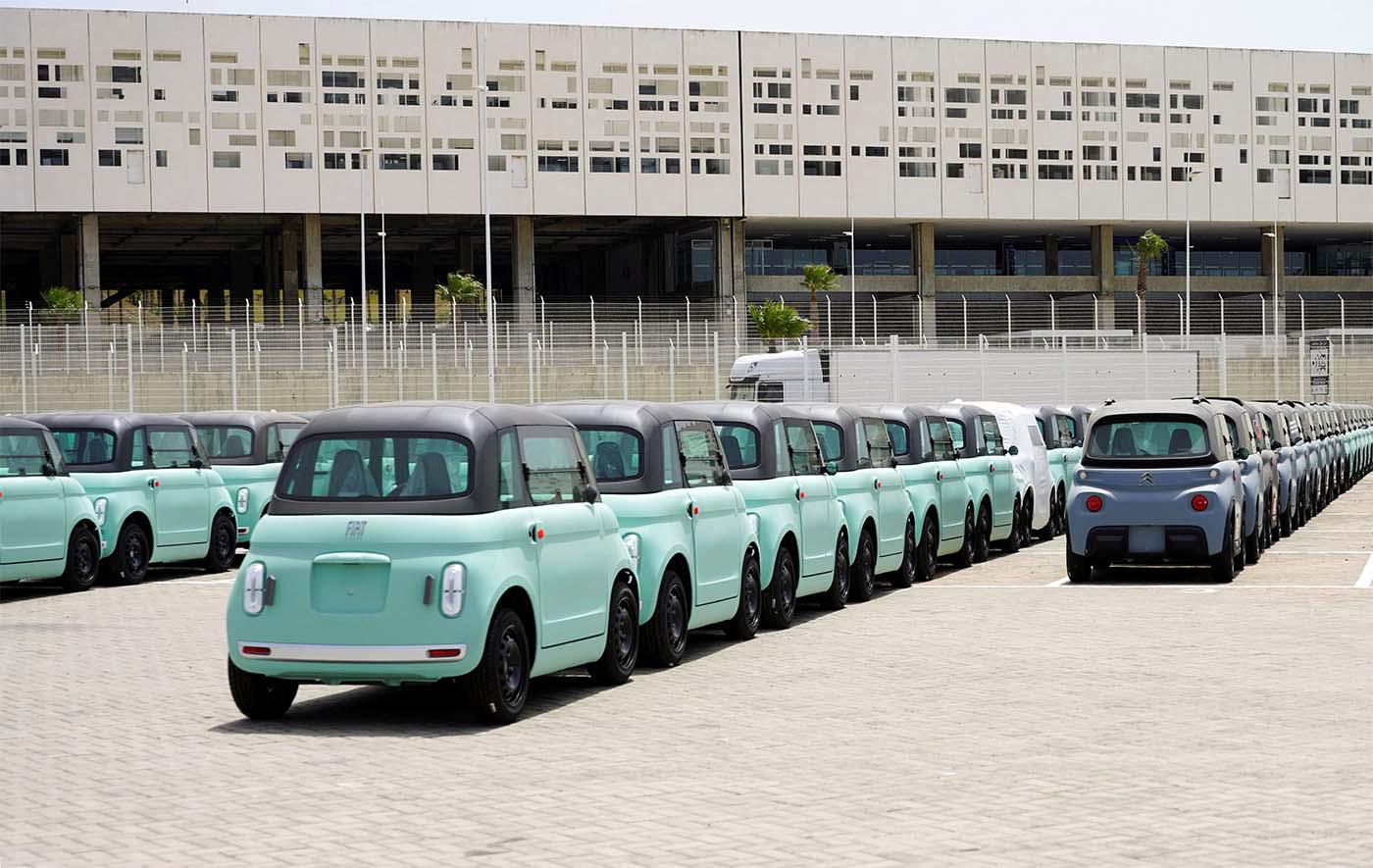
Morocco's automotive exports reached approximately $15.4 billion
CASABLANCA - Morocco has been crowned Africa’s leading producer and exporter of consumer goods, according to a comprehensive report released by The African Exponent.
This ranking highlights Morocco's rapid industrial transformation, positioning it ahead of traditional powerhouses like South Africa and Nigeria in exporting value-added products such as automobiles, textiles, electronics, and processed foods to global markets.
The report underscores Africa's broader shift from raw commodity dependence to manufacturing-driven exports, fueled by strategic investments, trade agreements, and infrastructure development.
As the African Continental Free Trade Area (AfCFTA) gains momentum, this evolution promises sustainable job creation and enhanced economic resilience across the continent.
Morocco's path to the top
Morocco's ascent to the pinnacle of African consumer goods exports is the result of deliberate economic strategies over the past decade. The North African Kingdom has developed robust industrial clusters, particularly in automotive manufacturing, where zones like Tanger Automotive City host international giants and suppliers, driving exports of vehicles and parts.
The textile and apparel sector remains a cornerstone, supplying European brands with high-quality, quick-turnaround products, while food processing leverages abundant agricultural resources to export packaged goods.
Geographically advantaged as a bridge between Africa and Europe, Morocco benefits from free trade agreements with the European Union and other global partners, facilitating seamless market access.
Recent data from Morocco's Office des Changes indicates that in 2025, automotive exports reached 154 billion MAD (approximately $15.4 billion), followed by phosphates at 100 billion MAD, agricultural products at 87 billion MAD, textiles at 44 billion MAD, and aerospace at 29 billion MAD. These figures reflect Morocco's diversified export portfolio, with consumer-oriented manufacturing playing a pivotal role.
Beyond consumer goods, Morocco's overall export performance places it fourth in Africa's largest exporters, with $42.5 billion in total exports in 2023, according to World's Top Exports data.
The US-Morocco Free Trade Agreement has further bolstered this growth, with US goods exports to Morocco surging to $5.3 billion in 2024, contributing to a $3.4 billion trade surplus.
Top African countries in consumer goods exports
The African Exponent's ranking evaluates countries based on export volumes, industrial output, and product diversity.
| Rank | Country | Key Consumer Goods Exported | Notable Strengths |
|---|---|---|---|
| 1 | Morocco | Automobiles, textiles, electronics, processed foods | Industrial clusters, trade agreements, geographic location |
| 2 | South Africa | Vehicles, appliances, processed foods, textiles | Diversified sector, advanced logistics |
| 3 | Nigeria | Processed foods, household items, chemicals | Large manufacturers, diversification from oil |
| 4 | Côte d’Ivoire | Edible oils, chocolate, soaps, fortified foods | Agro-processing, regional market access |
| 5 | Ethiopia | Textiles, apparel, leather goods | Industrial parks, low-cost labor |
| 6 | Egypt | Electronics, appliances, textiles, pharmaceuticals | Government initiatives like “Egypt Makes Electronics” |
| 7 | Kenya | Processed foods, beverages, apparel | Trade deals, East African gateway |
| 8 | Ghana | Food products, beverages, household items | Local sourcing, West African hub |
| 9 | Tunisia | Textiles, appliances, processed foods | EU standards, export zones |
This list illustrates the continent's manufacturing renaissance, with consumer goods encompassing everything from everyday household items to sophisticated electronics.
Morocco's leadership in this sector signals a positive trajectory for African economies, reducing vulnerability to commodity price fluctuations and fostering intra-continental trade under AfCFTA.
Projections from the Institute for Security Studies indicate Morocco's GDP could reach $253.4 billion by 2043, maintaining its status as one of Africa's top economies despite slipping to 11th in overall size due to population dynamics elsewhere.
However, challenges remain, including the need for greater investment in skills development and sustainable practices. Morocco's informal sector, currently at 30% of GDP, is expected to shrink to 18% by 2043, signaling formalization and growth in manufacturing. Globally, this shift attracts investors, with US firms increasingly active in Morocco's aerospace, automotive, and renewable energy sectors.
Morocco’s model offers valuable lessons for other African nations aiming to harness manufacturing for economic prosperity. This ranking not only celebrates current successes but also points to a future where Africa plays a more prominent role in global consumer markets.