

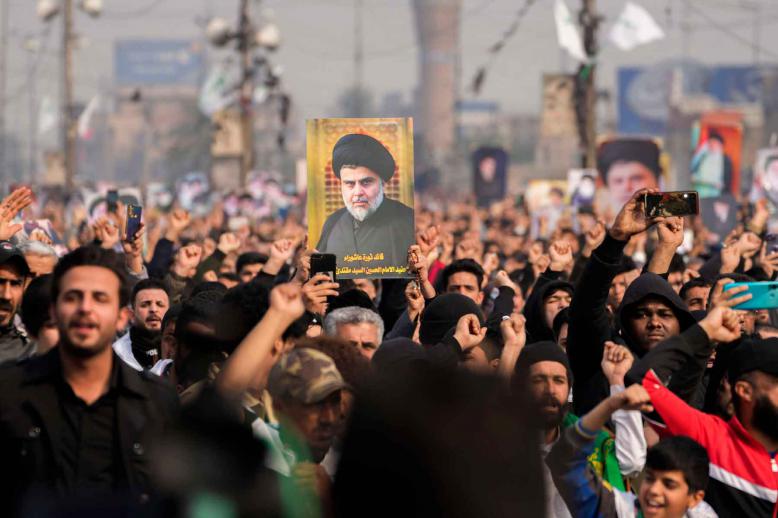

Capable of mobilising large-scale demonstrations
Muqtada al-Sadr avoids backing Iran, casts himself as peace advocate
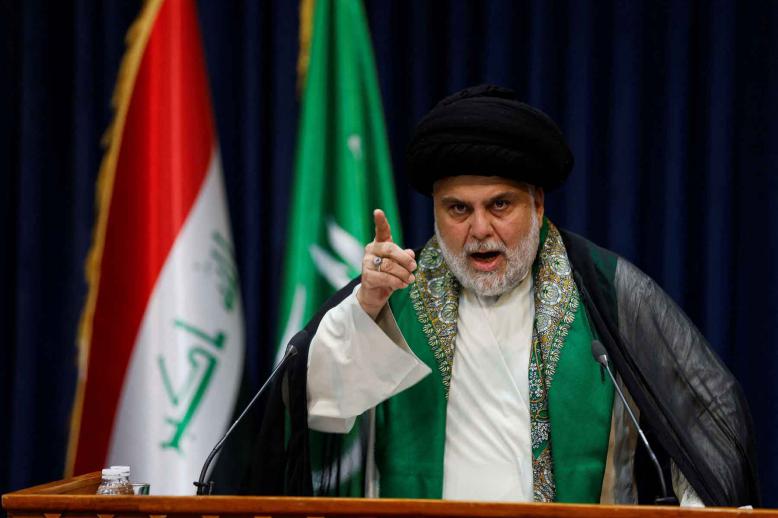
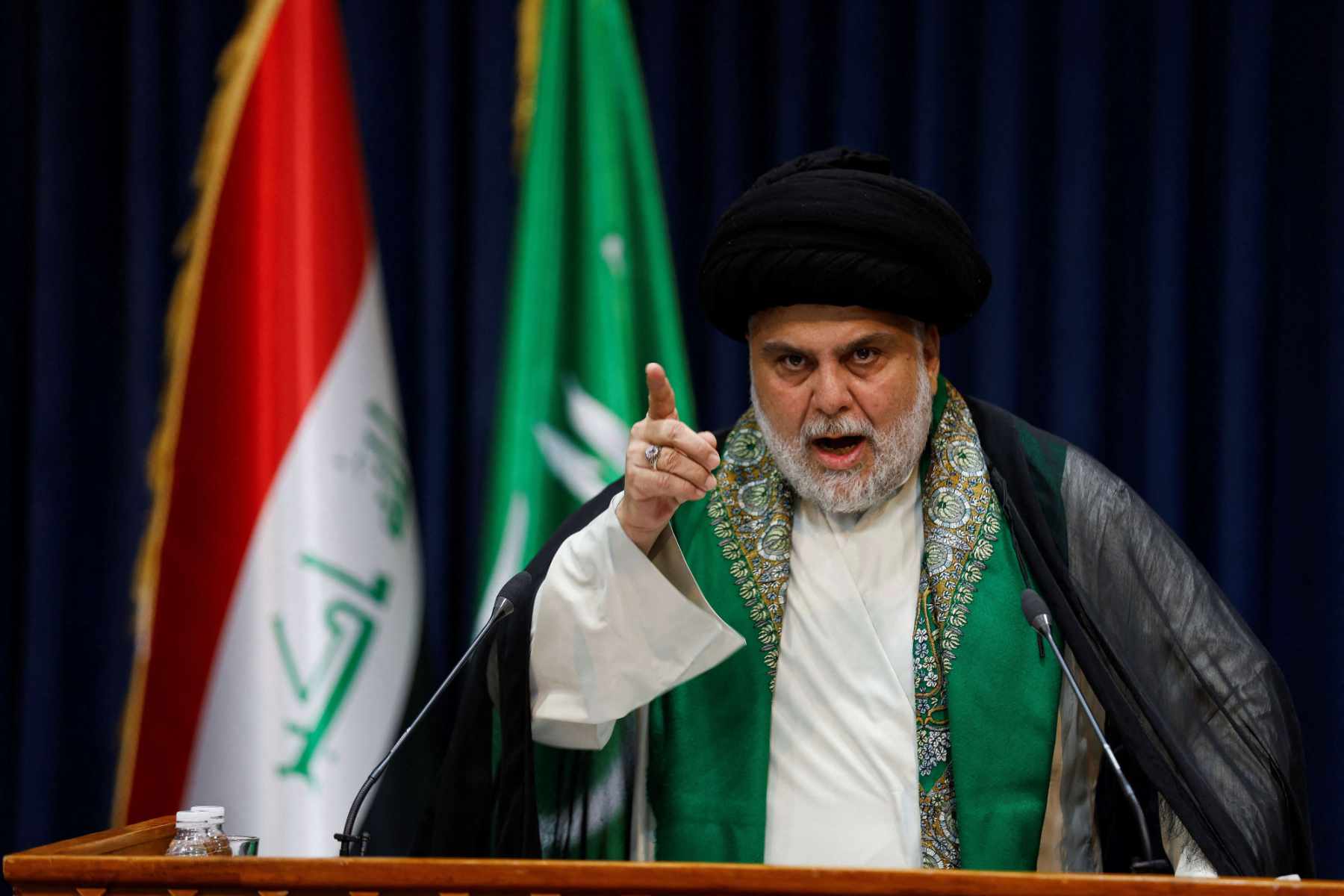
Sadr, a key political figure who has previously mobilised large protests, has historically positioned himself as a nationalist voice opposing foreign intervention.
Tuesday 31/03/2026
Capable of mobilising large-scale demonstrations
BAGHDAD – Influential Iraqi cleric Muqtada al-Sadr on Monday called for nationwide demonstrations against US and Israeli strikes on Iran, urging Iraqis to protest peacefully across all provinces next Saturday.
“I call on the people of Iraq, with all their components and affiliations, to take to the streets next Saturday in all provinces of our beloved Iraq to denounce the hostile aggressions of Israel and the United States and to demand peace across the entire region,” he said in a statement published on X.
Sadr stressed that the demonstrations should be orderly and unified, with participants raising only the Iraqi flag, and scheduled to begin at 4:30 p.m. and continue until sunset, ensuring protesters return home safely.
The call comes amid rising regional tensions, following weeks of escalatory strikes between Iran and its adversaries, including the United States and Israel. Iraq has repeatedly found itself caught in the middle of these confrontations, maintaining complex ties with both Washington and Tehran while grappling with growing security risks at home.
Recent US air strikes have targeted armed factions linked to the Popular Mobilisation Forces (PMF), which is formally part of Iraq’s official security structure. The PMF reported that its positions in Nineveh province were struck by three air raids on Sunday, just days after a previous attack killed fighters in Kirkuk.
Iraqi Prime Minister Mohammed Shiaa al-Sudani summoned the US chargé d’affaires last week to protest earlier strikes that killed Iraqi personnel.
Observers note that Sadr’s statement deliberately avoids explicitly backing Iran or condemning the US attacks, reflecting his delicate political balancing act.
As a leader with significant influence, Sadr faces pressure from a wide swath of Iraq’s Shiite population, many of whom are mobilised by anti-US sentiment, yet he seeks to maintain his nationalist, peace-oriented image.
While Iraqi armed groups linked to Tehran have responded with attacks on US bases, Sadr has not directly condemned these factions, which some analysts suggest is intended to avoid alienating his political rivals within the Shiite landscape, including the PMF and other militia-aligned blocs.
His call for “highly organised and peaceful” protests, raising only the Iraqi flag, signals an effort to reclaim the role of a mediator and peace advocate, rather than a militant actor in the conflict.
Sadr has historically mobilised large-scale demonstrations to assert Iraqi sovereignty and oppose foreign intervention, and his latest appeal underscores the domestic pressures on Baghdad as regional tensions continue to escalate.