

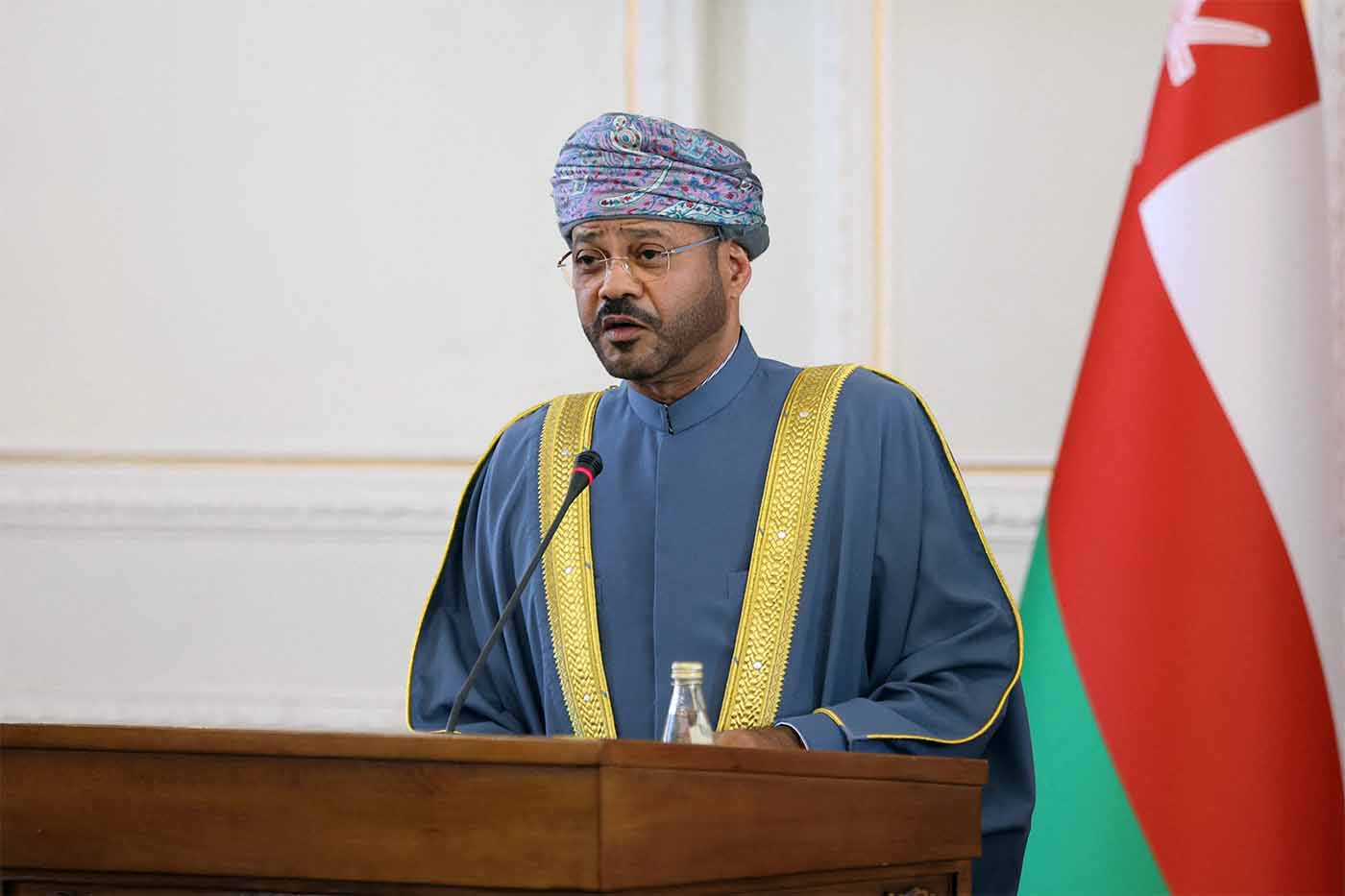
Albusaidi argued that the US has been drawn into a conflict it neither owns nor can win
Muscat says Tehran’s strikes on Gulf states ‘inevitable’
Oman’s top diplomat urges US allies to help extricate America from ‘the unlawful’ war on Iran that has already triggered dangerous regional fallout.
Thursday 19/03/2026
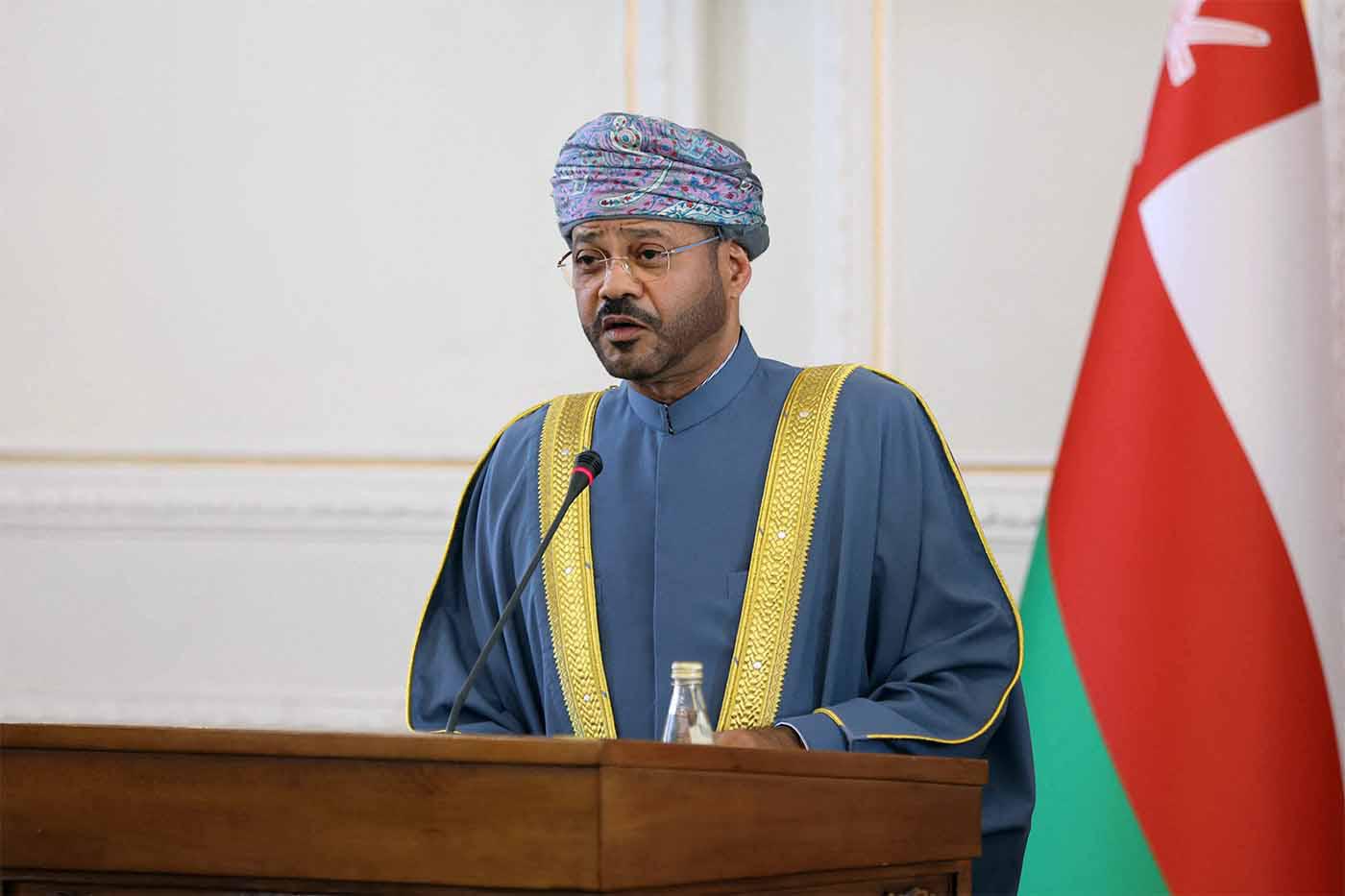
Albusaidi argued that the US has been drawn into a conflict it neither owns nor can win
MUSCAT – Oman’s Foreign Minister Badr Albusaidi has issued a pointed call for America’s friends and allies to intervene and pull the United States out of its deepening involvement in the war against Iran, describing the conflict as an “unlawful” miscalculation that has already triggered dangerous regional fallout.
In a sharply worded opinion essay published yesterday in The Economist under the title “America’s friends must help extricate it from an unlawful war,” Albusaidi argued that Washington has been drawn into a conflict it neither owns nor can win, effectively ceding control of its foreign policy to Israel.
The top Omani diplomat warned of the risk of a “forever war” and urged Gulf partners, European nations, and other US allies to press for an immediate de-escalation and return to diplomacy.
The Omani minister, who personally mediated the most recent round of indirect nuclear negotiations between Washington and Tehran, did not mince words on Iran’s retaliatory actions. He described Tehran’s missile and drone strikes on Gulf states hosting American military bases — including the UAE, Saudi Arabia, Qatar, and others — as an “inevitable, if deeply regrettable” response to a war that was “explicitly designed to terminate” the Islamic Republic.
“[It was] probably the only rational option available to the Iranian leadership,” he wrote, while stressing that such escalation remains tragic and avoidable with wiser statecraft.
The US-Israeli war against Iran, launched with joint strikes on February 28, 2026, entered its fourth week. Iranian retaliation has hit energy infrastructure across the Gulf, including the recent damaging attacks on Qatar’s Ras Laffan LNG complex, while Tehran maintains its stranglehold on the Strait of Hormuz, triggering the worst global energy crisis in 40 years.
Albusaidi draws directly on his own front-row role in pre-war diplomacy. Oman hosted and facilitated multiple rounds of indirect US-Iran nuclear talks in the weeks and months leading up to the outbreak of hostilities.
The Omani capital served as the neutral venue where delegations — including American representatives and Iranian counterparts — held some of the most substantive discussions in years. According to the minister, negotiations twice came close to a breakthrough, with the final round in February described as the most promising yet.
“A deal was within reach,” Albusaidi said, only for the surprise military assault to derail the entire process hours before another potential breakthrough.
This mediation built on Oman’s long-standing reputation as the quiet go-between in US-Iran relations, a role it has played successfully in past prisoner swaps and nuclear talks. Albusaidi’s intervention now positions Muscat once again as a potential bridge for future de-escalation efforts.
The foreign minister’s intervention carries particular weight because Oman has maintained diplomatic relations with both Iran and the United States throughout the crisis and has so far avoided direct involvement in the fighting. His op-ed explicitly rejects the notion that the war serves American interests: “This is not America’s war, and there is no likely scenario in which both Israel and America will get what they want from it.”
He further highlighted the economic pain inflicted on Gulf economies — reliant on tourism, aviation, sport, and technology.
The timing of the op-ed is striking as it follows high-level Arab coordination, including the recent UAE-Jordan summit and Iraq’s separate outreach to Tehran over oil exports, all aimed at containing the conflict’s spread.
Regional leaders have repeatedly stressed they are not parties to the US-Israeli campaign, a position Albusaidi echoed and amplified.