

Questions persist over accessibility, inclusivity and economic return
Naming new capital ‘Memphis’ divides opinion in Egypt
The proposal has drawn mixed reactions. Critics argue that adopting a Pharaonic name risks sidelining Egypt’s Arab identity.
Wednesday 25/02/2026
Questions persist over accessibility, inclusivity and economic return
CAIRO – A proposal by a member of Egypt’s House of Representatives to rename the country’s new capital Memphis has ignited a wave of controversy, reopening debate over identity, symbolism and the true purpose of the vast project east of Cairo.
The suggestion forms part of a draft local administration law that would grant the new capital special provincial status and rebrand it as Memphis, the name of the ancient Pharaonic capital of a unified Egypt. Article 119 of the draft stipulates that Memphis would become a province of special status within Cairo, with the president empowered to determine its borders and administrative structure.
The proposal has drawn mixed reactions. Critics argue that adopting a Pharaonic name risks sidelining Egypt’s Arab identity and sends symbolic signals of a cultural shift away from the Arab sphere, of which Egypt has long been a central pillar. Others question the use of the term “province,” noting that Egypt does not traditionally recognise semi-autonomous provincial entities in the manner implied by the draft.
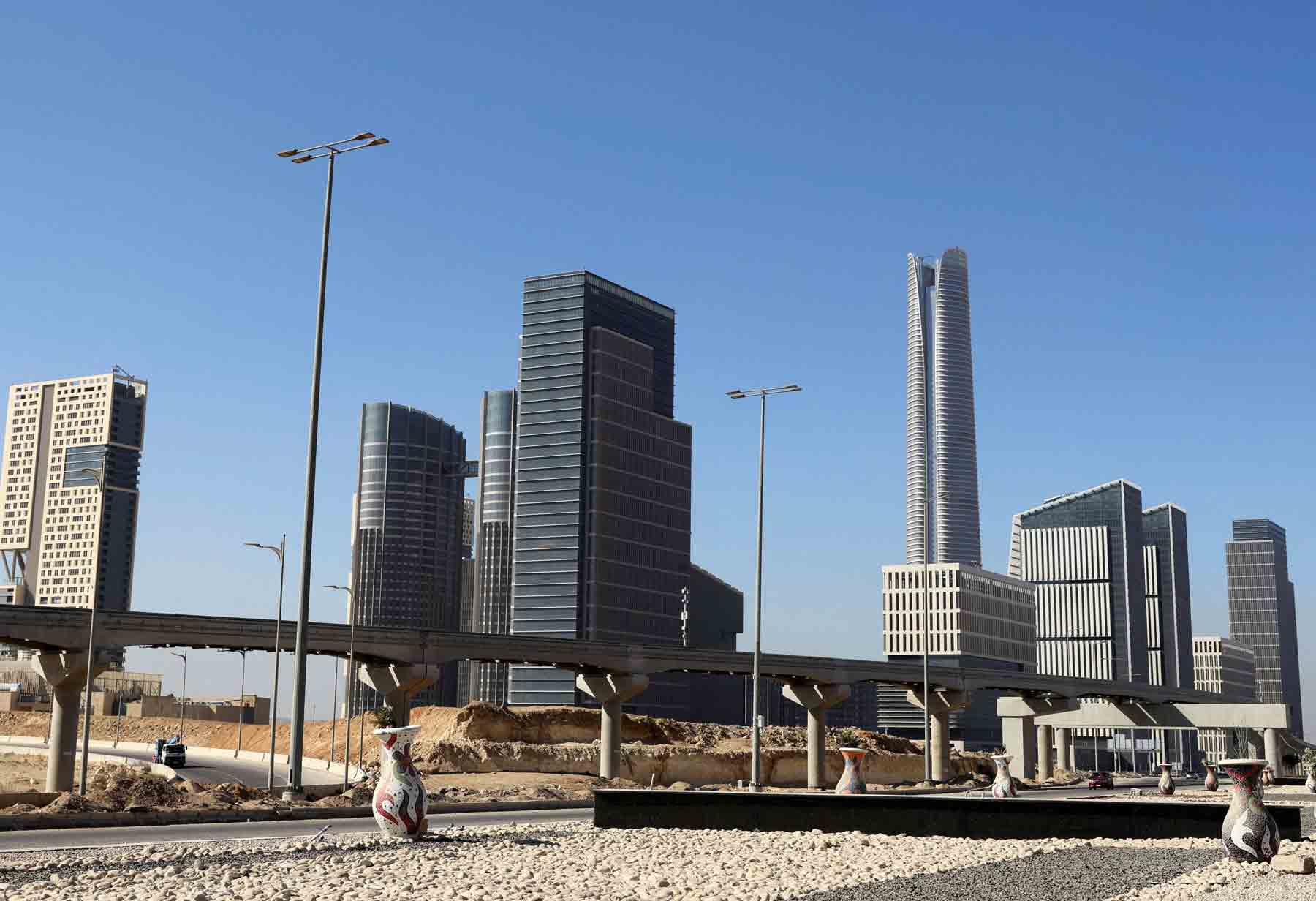
Supporters, however, say the new capital requires a distinct legal and administrative framework commensurate with its role as the de facto seat of government. Since January 2024, the cabinet, parliament, the Senate, the Central Bank of Egypt and numerous ministries and state institutions have relocated to the new city under what is known as the “government district.”
The idea of transferring Egypt’s political and administrative headquarters from Cairo to the purpose-built capital dates back to 2015. President Abdel Fattah al-Sisi has described the project as “the birth of a new state and a new republic,” presenting it as a symbol of a transformative era.
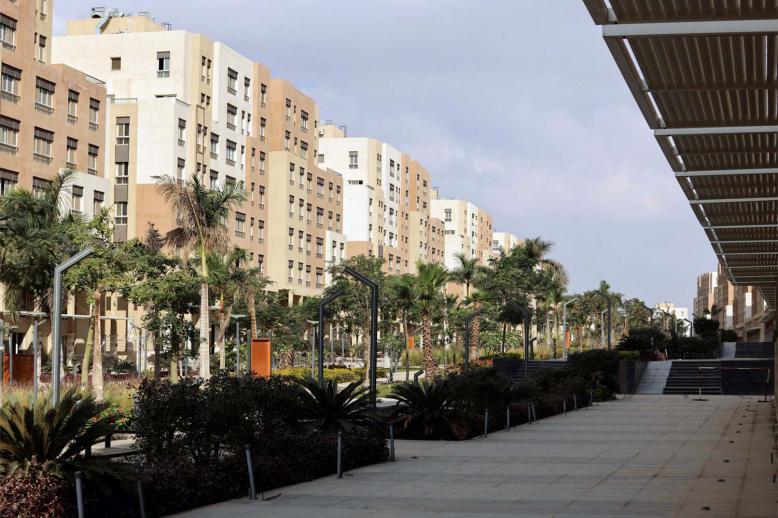
The new capital, located around 50 kilometres east of central Cairo and closer to the Red Sea coast, has been built at an estimated cost of around $100 billion. Designed as a sprawling urban hub with presidential palaces, ministries, embassies, banks, universities, an opera house and media institutions, it represents one of the largest infrastructure undertakings in Egypt’s modern history.
Yet despite the relocation of government institutions, the city has struggled to attract residents at the scale initially anticipated. High property prices, the distance from central Cairo and incomplete infrastructure have deterred many civil servants from moving closer to their workplaces. For many Egyptians, daily commuting remains more practical than relocation.
The renewed debate over the capital’s name has therefore intersected with broader questions about the project’s economic and social viability. Observers argue that focusing on the symbolism of a name risks overshadowing pressing issues such as return on investment, housing affordability and service provision. Egypt has faced significant economic challenges in recent years, prompting scrutiny over large-scale public spending.
Some analysts suggest that the capital’s underlying objective may have been primarily strategic: creating a secure administrative enclave insulated from the densely populated urban fabric of Cairo, which played a central role during the 2011 uprising against former president Hosni Mubarak. Relocating the seat of power away from crowded districts could be seen as part of lessons drawn from that period.
Others view the project as an essential component of long-term urban planning, aimed at easing congestion in Cairo, which has become severely overcrowded and ill-equipped to absorb future population growth. The transfer of numerous government buildings into Egypt’s Sovereign Fund also signals potential redevelopment of old Cairo, possibly reshaping its urban and commercial character.
The draft law’s sponsor, MP Mohamed Attia al-Fayoumi, argues that granting the new capital special status does not contradict the 2014 constitution, which names Cairo as Egypt’s capital. He maintains that the new capital would remain administratively part of Cairo while enjoying financial and administrative independence. He has cited Washington, DC, as an example of a capital city with a special legal framework.
Under the draft, the proposed province of Memphis would have its own board of directors appointed by presidential decree, responsible for development policies, infrastructure oversight and management of its independent budget within the state’s annual budget.
The legislation also addresses long-delayed local council elections, not held since 2012, proposing a mixed electoral system combining party lists and individual candidacy. The move is presented as a step towards decentralisation and strengthening local governance.
The name Memphis itself has proven contentious. Some commentators favour “Menf”, closer to the original ancient Egyptian pronunciation, while others advocate Arabic alternatives such as “Al-Mahroussa,” a historic epithet for Cairo.
For many observers, the intensity of the naming debate reflects deeper uncertainties about the new capital’s identity and mission. While the government portrays it as a cornerstone of Egypt’s future development and urban expansion, questions persist over its accessibility, inclusivity and economic return.
As discussions continue in parliament, it remains unclear whether “Memphis” will gain official approval. What is certain, however, is that the debate has moved beyond semantics, touching on history, identity, governance and the broader trajectory of the Egyptian state.