



Hoping to divert attention from the historical roots of the Israeli-Palestinian conflict
Netanyahu pushes regional alliance plan to break diplomatic isolation
The announcement comes at a particularly sensitive moment, with Israel facing unprecedented domestic and international criticism over its ongoing military campaign in Gaza Strip.
Monday 23/02/2026
Hoping to divert attention from the historical roots of the Israeli-Palestinian conflict
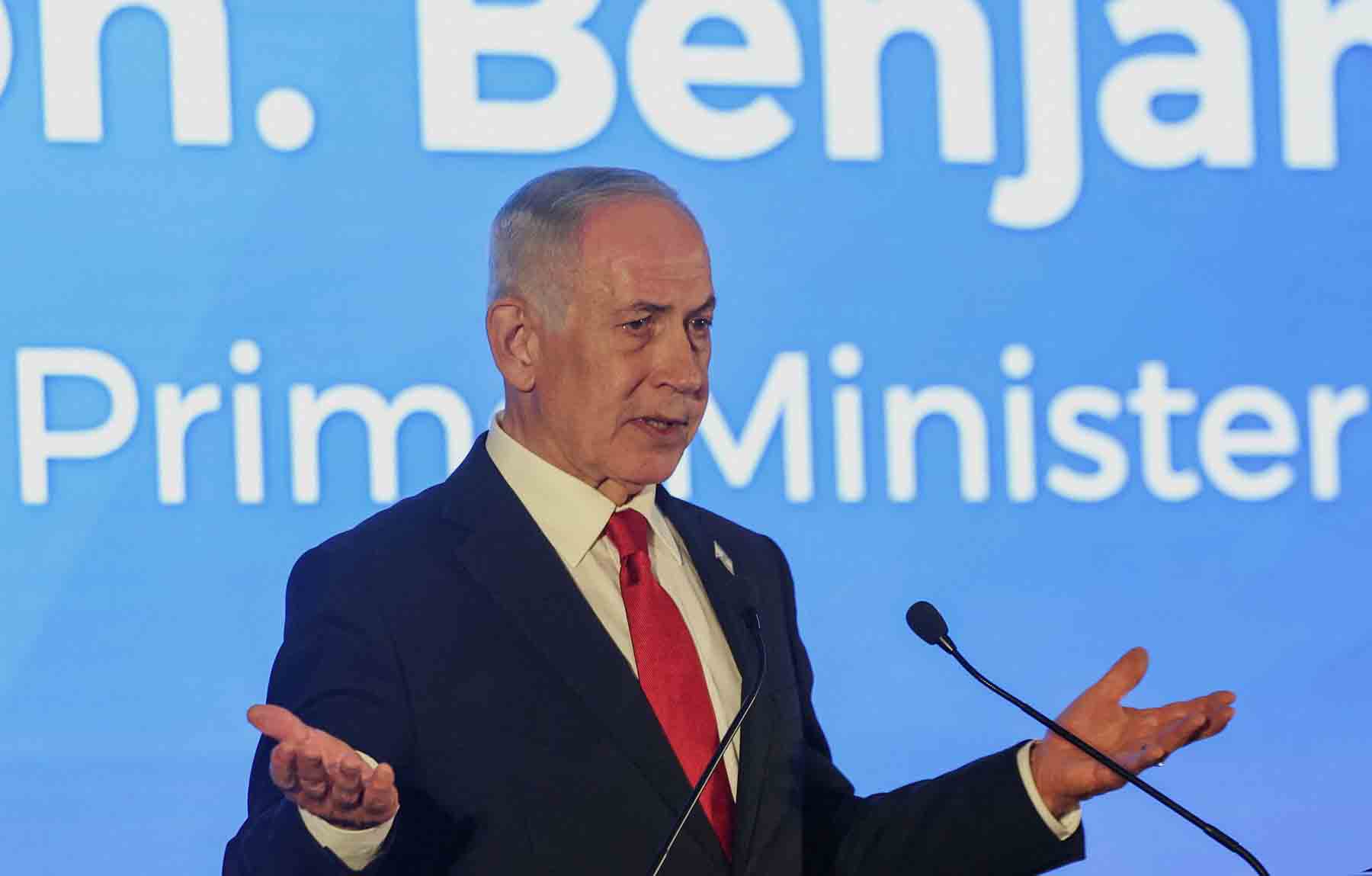
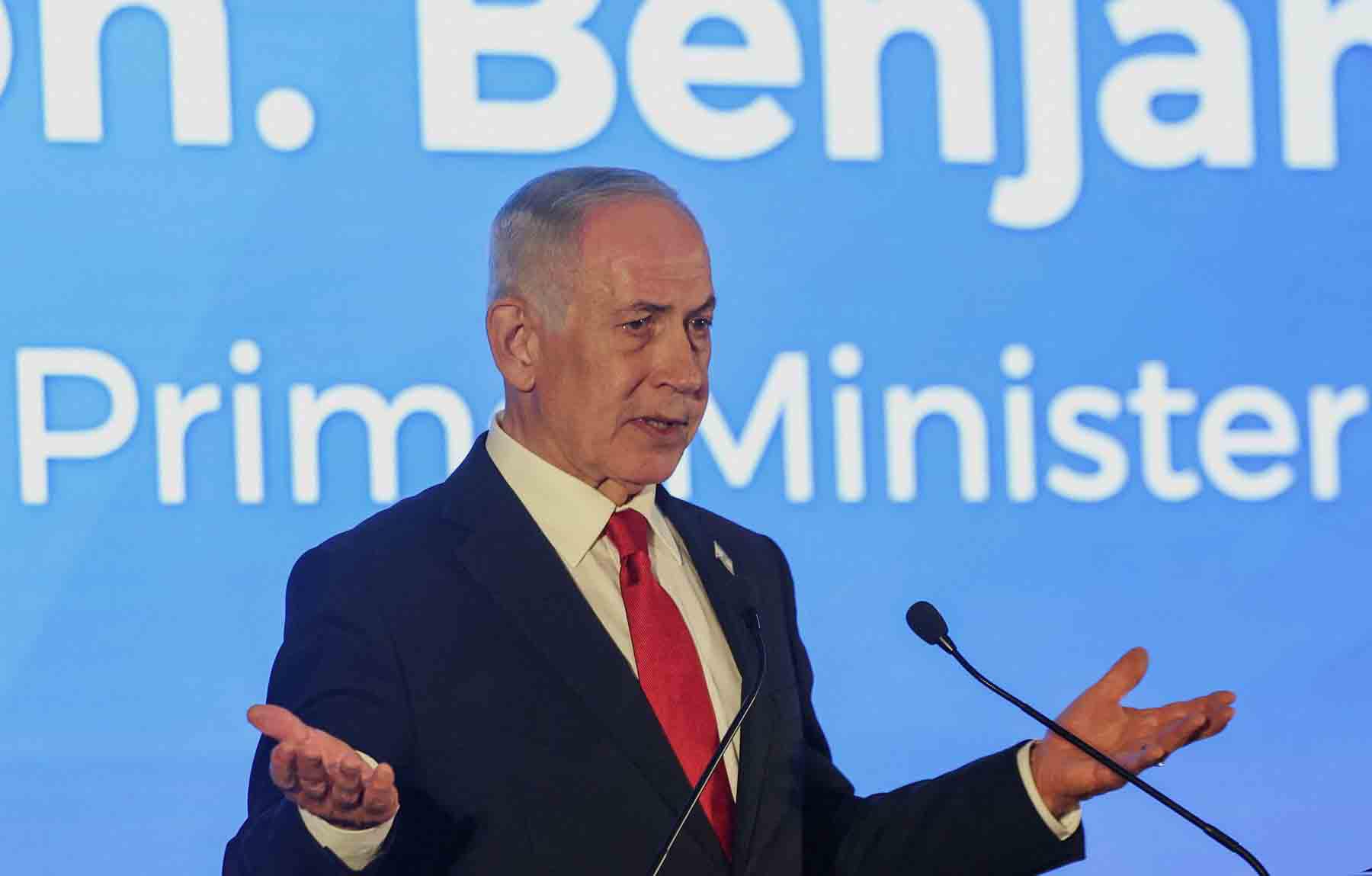
JERUSALEM – In a move signalling Israel’s intent to reshape its regional strategy, Prime Minister Benjamin Netanyahu announced plans to establish a broad “regional alliance” designed to create an integrated political and security network countering what he described as “radical” Sunni and Shia axes.
According to a statement from his office, Netanyahu envisions the formation of a so-called “hexagon of alliances” stretching across the Middle East and beyond, including major Asian powers such as India, several Arab and African nations, as well as Greece, Cyprus and additional unnamed Asian states.
“In the vision I see before me, we will create an entire system, essentially a ‘hexagon’ of alliances around or within the Middle East,” Netanyahu said.
“The intention here is to create an axis of nations that see eye to eye on the reality, challenges, and goals against the radical axes, both the radical Shia axis, which we have struck very hard, and the emerging radical Sunni axis.”
Central to Netanyahu’s plan is Israel’s growing relationship with India. The Israeli leader highlighted the upcoming visit of Indian Prime Minister Narendra Modi, scheduled for Wednesday, which will include a speech at the Knesset and discussions on cooperation in advanced technologies such as artificial intelligence and quantum computing, alongside ongoing security and economic issues. Modi affirmed the strength of bilateral ties, posting on X that India “deeply values the enduring friendship with Israel, built on trust, innovation and a shared commitment to peace and progress.”
The announcement comes at a particularly sensitive moment, with Israel facing unprecedented domestic and international criticism over its ongoing military campaign in Gaza Strip, which began in October 2023 and has lasted for nearly two years. The conflict has left more than 72,000 Palestinians dead and over 171,000 injured, mostly women and children, and has destroyed some 90 percent of the territory’s infrastructure, with reconstruction costs estimated at $70 billion.
Observers note that Netanyahu’s framing of the alliance as a bulwark against “radical” regional forces appears aimed at countering Israel’s growing isolation and diverting attention from the historical roots of the Israeli-Palestinian conflict, which dates back to Israel’s establishment in 1948 on lands seized by Zionist militias, leading to mass killings and the displacement of hundreds of thousands of Palestinians.
Through portraying the situation as a confrontation between extremist axes and a “rational” coalition, Netanyahu is seeking to legitimise Israel’s continued occupation and rejection of a Palestinian state, while no Arab countries have officially responded to his calls for participation in the proposed alliance.
Relations with several Sunni-majority states have deteriorated amid the bloodshed in Gaza. Turkey’s President Recep Tayyip Erdogan has sharply criticised Netanyahu, and Saudi Arabia has accused Israel of genocide. Prospects for normalisation with Riyadh also appear to be fading, especially following Israel’s recognition of Somaliland and moves toward annexation in the occupied West Bank.
Since 2020, Israel has sought to strengthen ties with Arab and Muslim countries through the US-backed Abraham Accords framework, fostering close relations with the United Arab Emirates, Bahrain and Morocco. However, the ongoing conflict in Gaza has strained these relationships and complicated Israel’s regional ambitions.