

Trump's decision overturned years of painstaking diplomacy and left allies scrambling.
World powers sound disapproval of US pullout from Iran deal
Washington has given European firms doing business in Iran up to six months to wind up investments or risk US sanctions.
Friday 11/05/2018
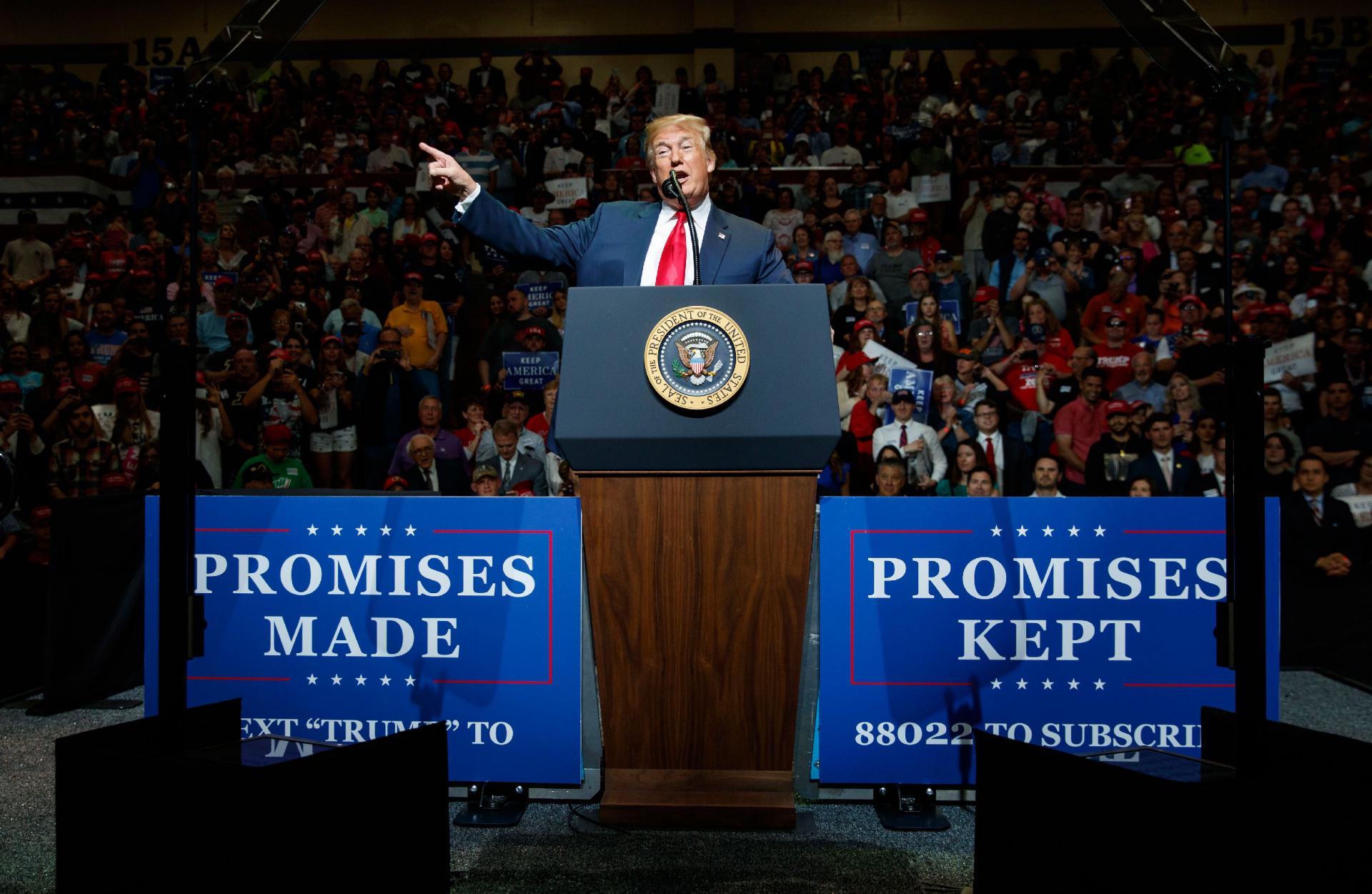
Trump's decision overturned years of painstaking diplomacy and left allies scrambling.
PARIS - France's economy minister Bruno Le Maire urged European nations Friday to defend themselves against US sanctions targeting foreign companies that trade with Iran, as the rift between Washington and its allies deepens.
Le Maire said the European Union had to defend its "economic sovereignty" when it comes to the right to trade with Iran.
Foreign Minister Jean-Yves Le Drian has meanwhile branded the sanctions "unacceptable", in some of the most forceful criticism yet from a key European ally.
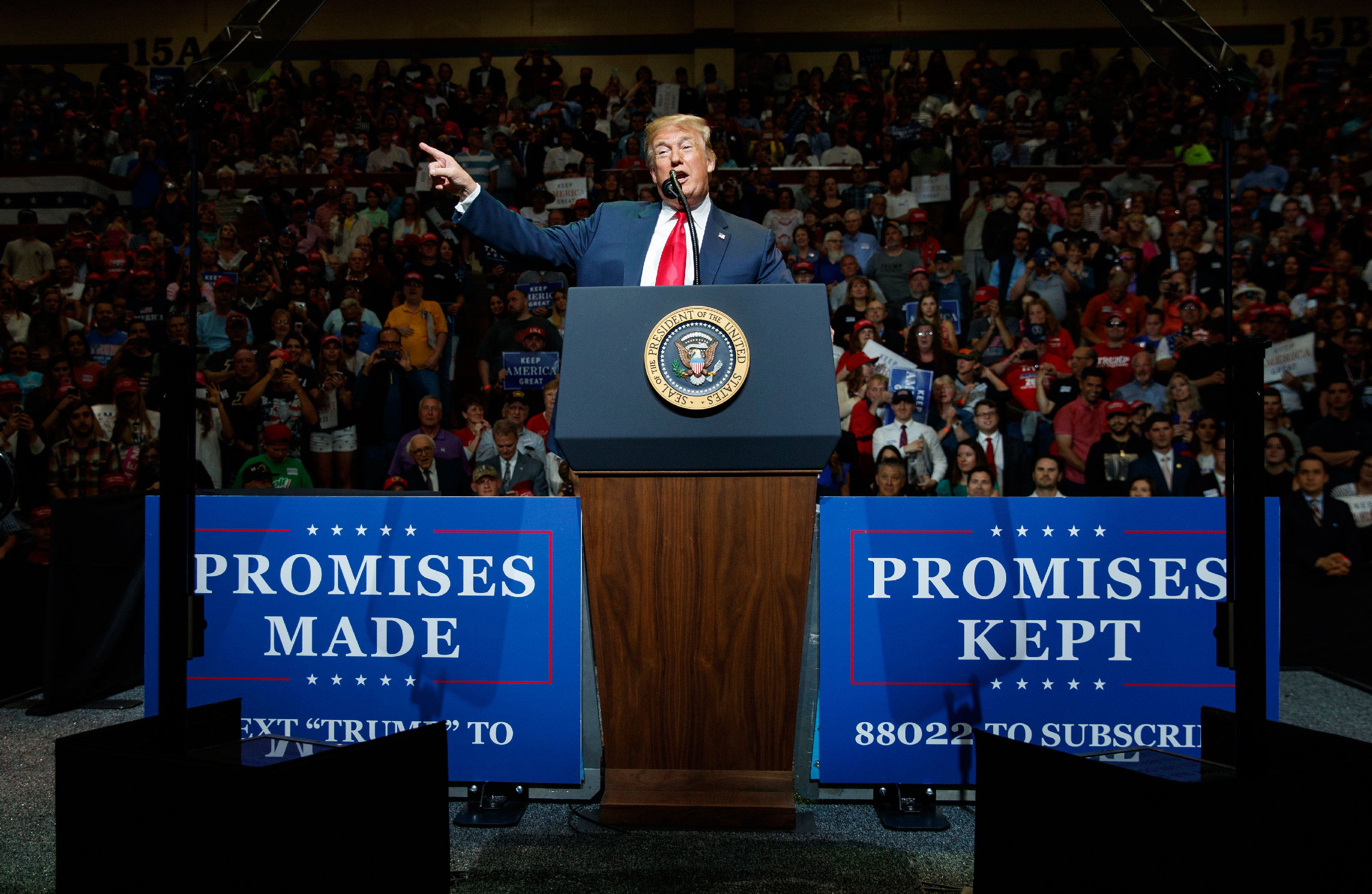
US President Donald Trump announced on Tuesday that he was pulling out of the landmark 2015 deal curbing Iran's nuclear programme, reintroducing sanctions on the Islamic republic and those who trade with it.
The decision overturned years of painstaking diplomacy and left EU allies scrambling to save the hard-fought deal, as well as to protect the interests of their companies which do business with Iran.
"We have to work among ourselves in Europe to defend our economic sovereignty," Le Maire told Europe 1 radio ahead of talks with Dutch Finance Minister Wopke Hoekstra.
Le Maire said the EU would hold "collective discussions with the United States to obtain... different rules" covering European companies that do business with Iran.
"At the end of May I will meet with the British and German finance ministers and the three of us will look at what we can do."
Le Maire said he had called US Treasury Secretary Steve Mnuchin on Wednesday urging him to allow exceptions for French companies or a delay in implementing the sanctions, while admitting he has "few illusions" about the likely response.
Washington has given European firms doing business in Iran up to six months to wind up investments or risk US sanctions, and they are also forbidden from signing any new contracts with the country.
- Return of sanctions 'blocking'? -
Le Maire pointed to the possibility of reinstating of EU "blocking regulations", dating back to 1996, which were used as a countermeasure against US sanctions that targeted third countries doing business with Cuba.
The system, which was never actually used, permitted European companies to ignore the US sanctions and said that any decisions by foreign courts based on the sanctions would not be upheld in Europe.
"We want to reinforce this regulation and incorporate the recent decisions taken by the United States," Le Maire said.
"The second avenue is looking at Europe's financial independence -- what can we do to give Europe more financial tools allowing it to be independent from the United States?"
Le Maire further noted that the US Treasury has an agency, the Office of Foreign Assets Control, which tracks whether or not foreign companies are respecting its sanctions.
"Why don't we create the same type of agency in Europe, capable of following the activities of foreign companies and checking if they are respecting European decisions?" he said.
Le Drian had on Thursday insisted Washington needed to negotiate with its European allies on any sanctions that might affect their companies.
"We feel that the extraterritoriality of their sanction measures is unacceptable," he told Le Parisien newspaper, vowing that European countries would "do everything to protect the interests of their companies".
"The Europeans should not have to pay for the withdrawal of an agreement by the United States, to which they had themselves contributed."
- 'Should be protected' -
Russian President Vladimir Putin has spoken with Germany's Angela Merkel and Turkey's Recep Tayyip Erdogan in a bid to keep the nuclear deal alive after the US decision to withdraw, the Kremlin said Friday.
Putin has previously voiced "deep concern" over US President Donald Trump's decision and Russian officials have said they would work with European partners to preserve the agreement.
"The importance of preserving the deal from a point of view of international and regional stability was highlighted," the Kremlin said in a statement following a call between Putin and Merkel.
The two leaders also discussed the situation in Syria as well as Merkel's planned working visit to Russia next week, Moscow said.
Merkel has previously said Germany and its European partners would "do everything" to ensure Iran remains in the deal.
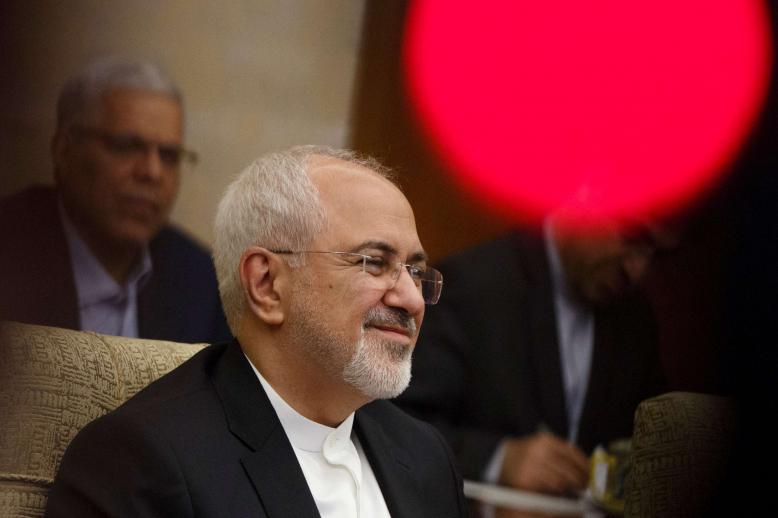
Iran's Foreign Minister Mohammad Javad Zarif will also visit Russia in the coming days as part of a diplomatic tour to try and salvage the deal taking in Brussels and Beijing, his spokesman said Friday.
Meanwhile Erdogan and Putin agreed it was "wrong" for the United States to withdraw, a Turkish presidential source said late Thursday.
Calling Trump's decision "wrong", Erdogan and Putin pointed out that the nuclear accord "was a diplomatic success which actually should be protected" during a telephone conversation on Thursday evening, the Turkish source said.
The Kremlin said in a statement that the two strongmen "emphasised that the safeguarding of the JCPOA (the formal abbreviation for the accord) is very important for international and regional security as well as the nuclear non-proliferation regime".
The two leaders "confirmed their determination" to continue to cooperate to this end with the other signatory countries of the agreement, the Kremlin added.
Erdogan also congratulated Putin on the start of his fourth term as president after the Russian leader was sworn in on Monday.
The Turkish economy minister said the United States' withdrawal was an "opportunity" for Turkey, insisting there would be no-let up in trade with Tehran.
"I see it like this, this is an opportunity for Turkey," Nihat Zeybekci told state news agency Anadolu, adding: "I will continue to trade with Iran."
But he said that if there are United Nations decisions related to Iran's nuclear activities and other issues, "of course" trade would continue "complying with them".
Zeybekci criticised the unilateral decision by Washington but added: "I don't see anything big to worry about at this stage," noting that other countries including EU members were not of the same opinion as the US.
Ankara has been working closely with Moscow and Tehran over the past year on the Syrian peace process despite being on opposing sides of the conflict and having a sometimes troubled relationship with Iran.
- 'Shouldn't trust Europe' -
The deal had been negotiated between Iran and the five permanent members of the UN Security Council -- Britain, China, France, Russia and the United States -- plus Germany.
All five have condemned Trump's move to walk out of the deal and reimpose crippling sanctions, but European companies in particular will be highly vulnerable to economic pressure from Washington.
France still hopes for a wider settlement that will cover Iran's activities across the Middle East, and warned Tehran on Thursday "against any temptation for regional dominance".
Iran's hardliners are already mobilising against any concessions to Europe, with hundreds protesting in Tehran after Friday prayers, saying it was time to abandon the deal.
"Officials shouldn't trust France and Britain. They will never abandon the US for us," said Poormoslem, a housewife at the rally.
Many Iranians also see a rare chance for Iran to hold the moral high ground.
"For the first time, Iran has the chance to show the world they are not the rogue nation they are always presented as, that they negotiated in good faith and keep to their commitments," said Karim Emile Bitar, of the Institute for International and Strategic Affairs in Paris.