



The question is no longer if social media is harmful to children, but how to stop it
Debate to restrict social media access for minors gains momentum in Morocco
The North African Kingdom is grappling with a modern dilemma: should the state step in to ban, or severely restrict, social media access for minors?
Monday 16/02/2026
The question is no longer if social media is harmful to children, but how to stop it
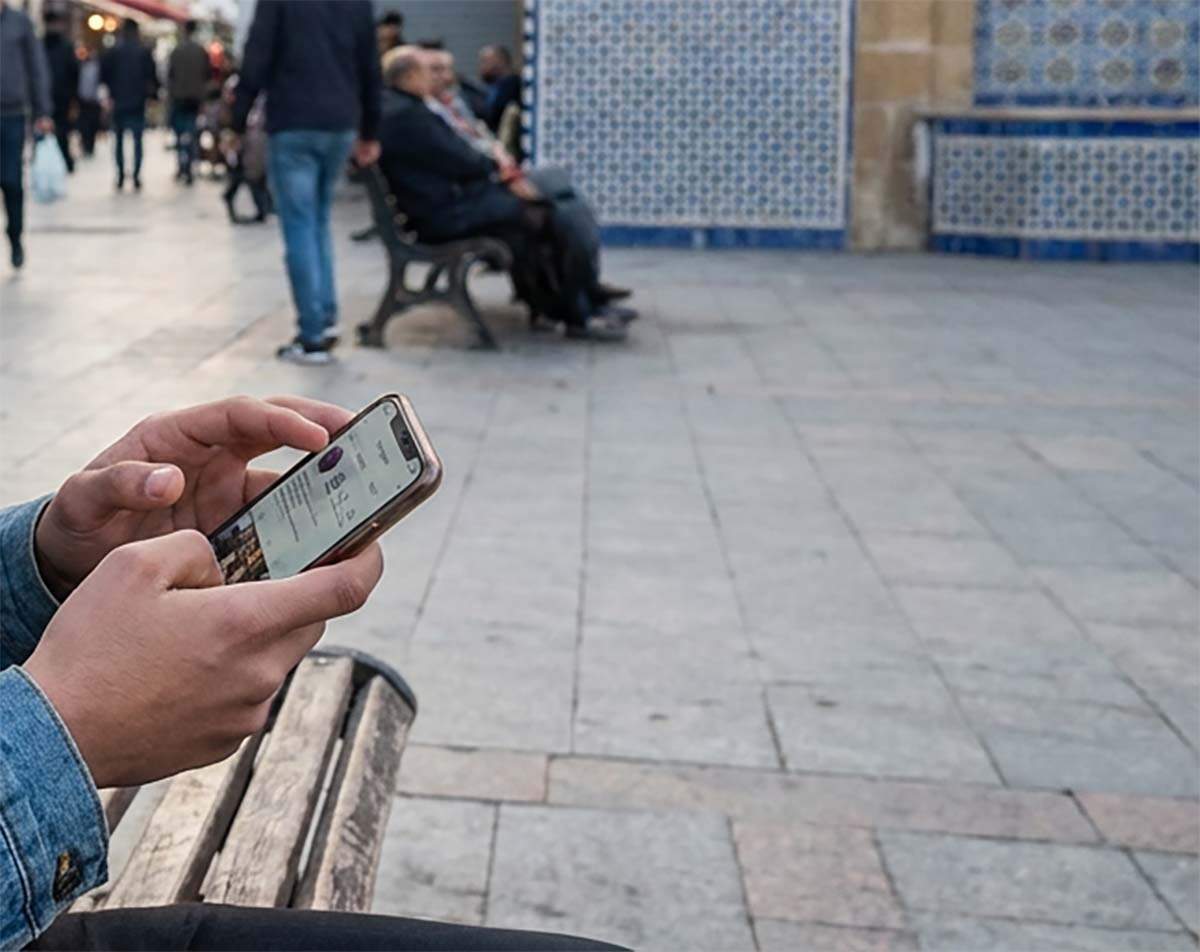
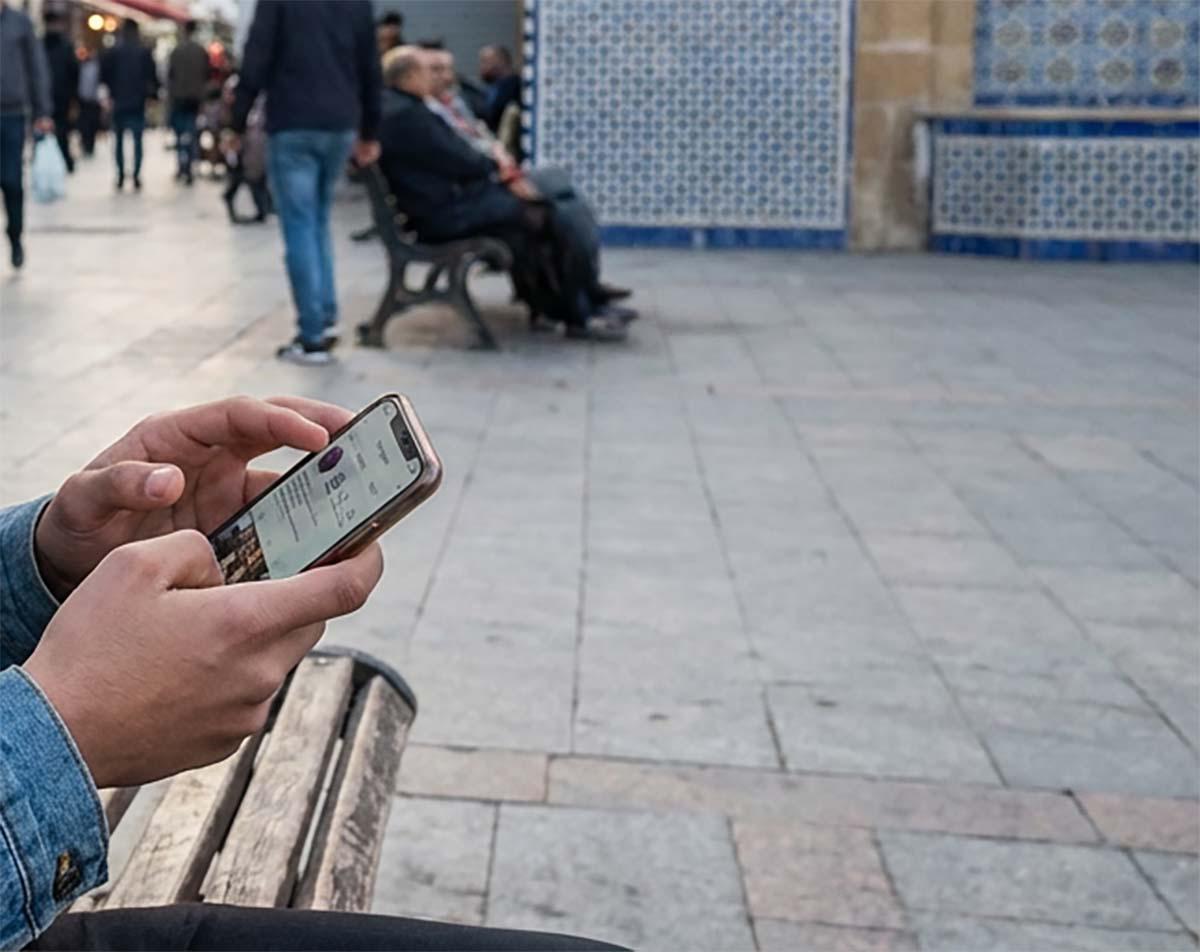
CASABLANCA — A quiet revolution is brewing in the living rooms and legislative halls of Morocco. As smartphones become as ubiquitous as mint tea, the North African Kingdom is grappling with a modern dilemma: should the state step in to ban, or severely restrict, social media access for minors?
The debate, which has gained momentum in recent months, places Morocco at the forefront of a global conversation about the impact of algorithmic feeds on the mental health and safety of the next generation. From the bustling cafes of Casablanca to the corridors of parliament in Rabat, the question is no longer if social media is harmful to children, but how to stop it.
The Government’s push
Leading the charge is Abdellatif Ouahbi, Morocco’s Minister of Justice, who has become a vocal advocate for strict regulation. Echoing similar moves in Australia and France, Ouahbi has floated the idea of prohibiting access to major platforms—such as TikTok, Instagram, and Facebook—for children under the age of 16 without explicit parental consent.
"We cannot leave our children defenseless in a digital jungle," the Minister suggested in recent parliamentary comments, hinting at upcoming legislation that could criminalize the exploitation of minors online and force tech giants to verify the age of their Moroccan users.
The government’s concerns are multifaceted. They include the unauthorized sharing of photos and videos of minors, a rising tide of online harassment in schools, and the risk of grooming and exposure to inappropriate content.
The "TikTok" factor and cultural erosion
For many Moroccan parents, the urgency stems from a perceived erosion of traditional values. The rise of controversial trends, such as the infamous "Rotini Alyawmi" (My Daily Routine) videos—which critics argue often border on soft-core exploitation—has alarmed conservatives and progressives alike.
Educators report a decline in attention spans and an increase in behavioral issues linked to "scroll addiction."
"It is not just about distractions," said a high school teacher in Rabat.
"It is about the content. We are seeing students mimic dangerous challenges they see online or develop anxiety because they cannot match the fake lifestyles of influencers in Dubai or Paris," said the teacher on condition of anonymity.
The Skeptics: enforcement and education
While the sentiment behind a ban is popular, the logistics are polarizing. Tech experts in Morocco warn that a blanket ban might be technically impossible to enforce in a country with high digital literacy among youth.
"You ban an app, they download a VPN. You ask for ID, they use their older brother's," explains a cybersecurity analyst, adding that the government risks creating a 'forbidden fruit' effect.
“The solution isn't a firewall; it's digital education," he added.
Civil rights advocates also worry about the precedent of state censorship. They argue that the responsibility should remain with parents, not the Ministry of Justice, to police screen time.
A Global Trend
Morocco is not acting in a vacuum. The debate aligns the Kingdom with a growing list of nations reconsidering the "wild west" era of the internet.
Australia recently passed a law banning social media for under-16s, while France is testing a "digital majority" age of 15. The US state of Florida has enacted strict bans for those under 14.
What’s Next?
As of now, no specific bill has been signed into law, but the momentum is undeniable. The Ministry of Justice is reportedly studying legal frameworks to hold platforms accountable for the content they push to Moroccan minors.
For now, the debate rages on. Is the smartphone a tool for connection and learning, or a digital cigarette that needs a warning label and an age limit?