

Cautious optimism
No breakthrough in Iraq’s Kurdish stalemate amid deadline pressure
The prolonged deadlock highlights the fragility of Kurdistan’s political equilibrium and underscores the importance of compromise between the KDP and PUK.
Monday 16/02/2026
Cautious optimism
MUNICH/ERBIL – Political negotiations in Iraq’s Kurdistan Region remain deadlocked, with no final agreement reached on forming a new regional government or resolving disputes over Iraq’s presidency, despite intensified talks between the region’s two dominant Kurdish parties.
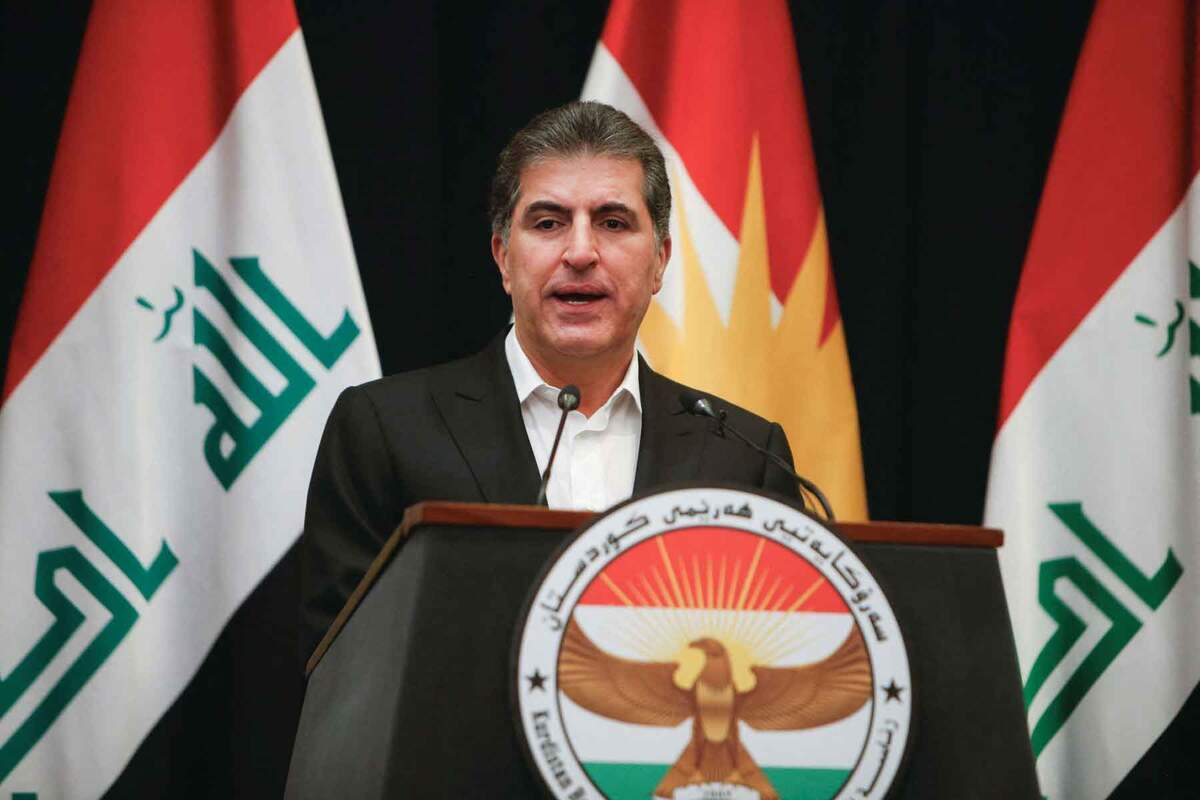
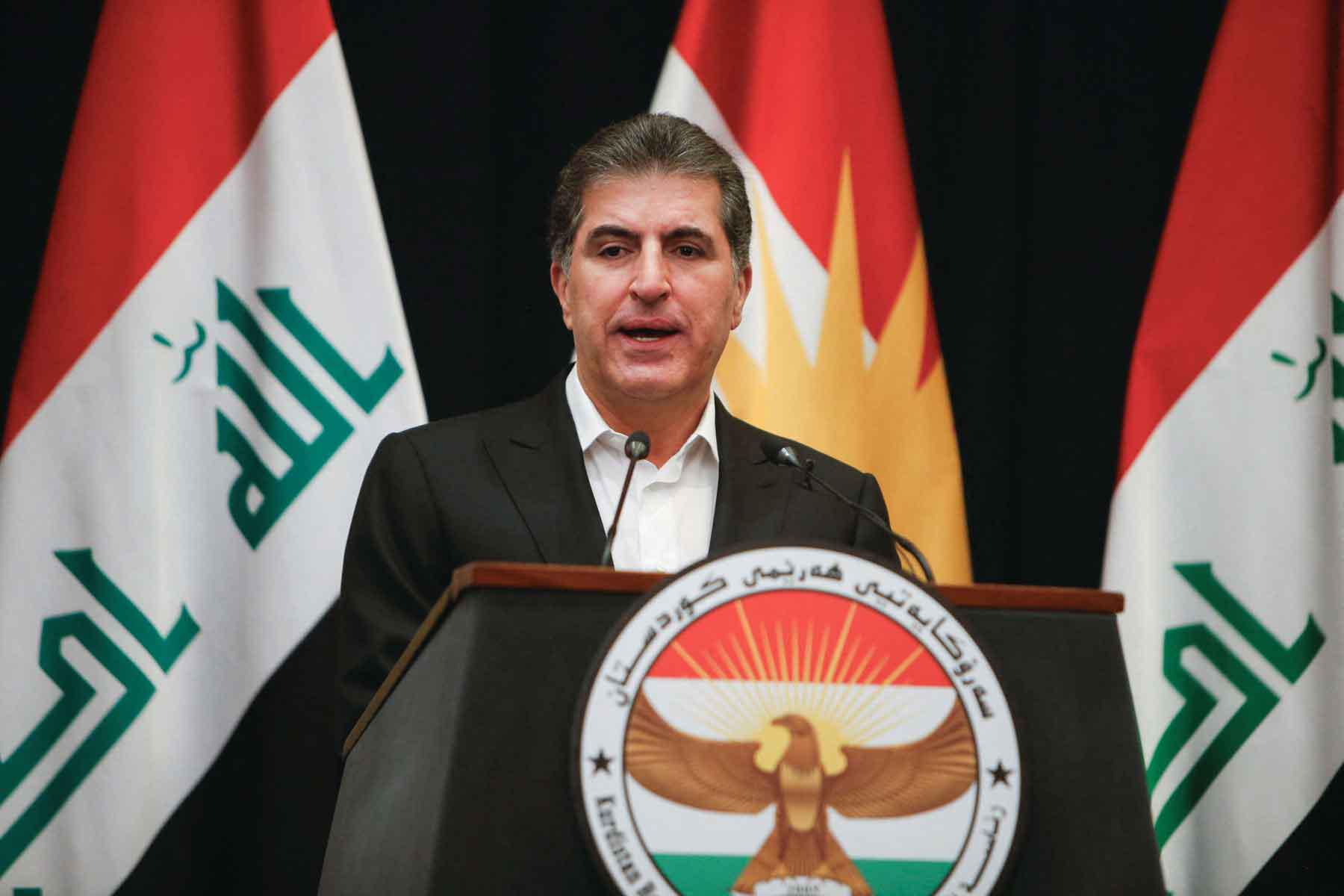
President of the Kurdistan Region Nechirvan Barzani confirmed that the Kurdistan Democratic Party (KDP) had not yet concluded a final agreement with the Patriotic Union of Kurdistan (PUK) on either the federal presidency or the formation of the Kurdistan Regional Government.
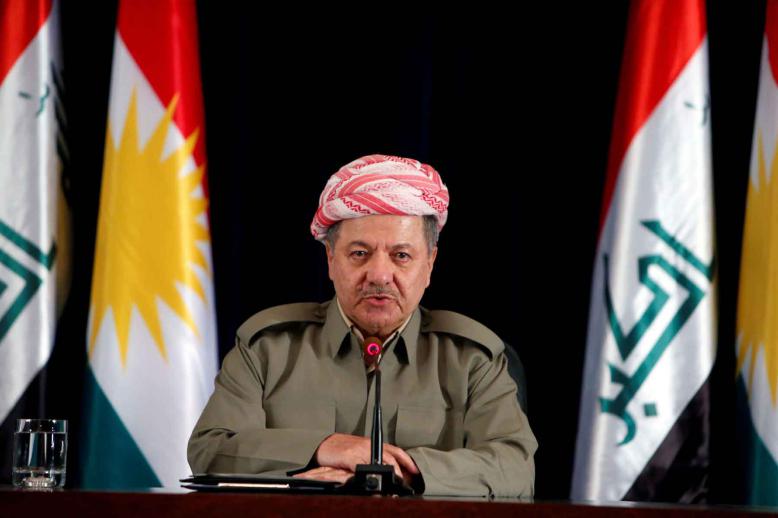
Speaking on the sidelines of the Munich Security Conference, Barzani nonetheless described recent meetings between Kurdish leader Masoud Barzani and PUK chief Bafel Talabani as “very positive and highly successful,” signalling cautious optimism that negotiations remain on track.
He stressed that discussions were progressing in a manner intended to safeguard both Kurdistan’s interests and Iraq’s broader political stability.
The political impasse comes amid mounting constitutional pressure. Iraq’s constitution requires parliament to elect a president within 30 days of its first session, placing the deadline on January 28, following the inaugural session held on December 29, 2025.
Although Kurdish parties traditionally agree on a joint candidate for Iraq’s presidency, the absence of a final deal has complicated efforts to complete the federal government formation process.
In a sign of potential progress, PUK lawmaker Ahlam Ramadan said the two Kurdish parties had agreed to nominate Nizar Amedi for the presidency. However, neither the KDP nor the PUK has officially confirmed the claim, and the nomination remains tied to broader negotiations involving Iraq’s dominant Shia political bloc, which must agree on the prime minister.
This underscores the complex, interconnected nature of Iraq’s political system, where Kurdish consensus forms only one part of a wider national power-sharing framework.
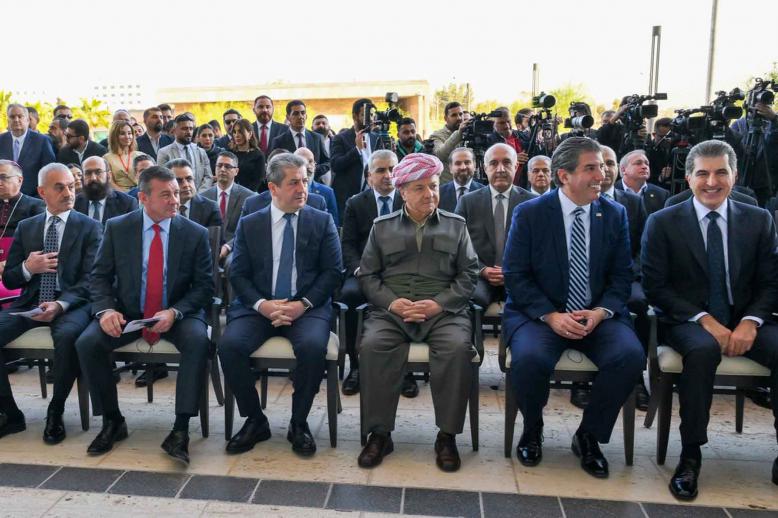
Recent high-level meetings in Erbil between KDP and PUK leaders have sought to break the deadlock. PUK spokesperson Karwan Gaznay confirmed that talks between Masoud Barzani and Bafel Talabani addressed major political developments affecting both Iraq and the Kurdistan Region.
While describing the atmosphere as positive, Gaznay acknowledged that no final agreement had yet been reached on key unresolved issues.
These discussions form part of a broader effort to reduce political tensions and establish common ground ahead of upcoming parliamentary sessions, seen as critical to resolving the leadership vacuum.
The primary obstacle remains forming the Kurdistan Region’s tenth government following elections held on 20 October. Despite being the two dominant political forces, the KDP and PUK have so far failed to reach agreement on key leadership posts, including the regional prime minister.
Ongoing dialogue between Masoud Barzani and Bafel Talabani reflects a concerted attempt to preserve Kurdish political unity and prevent internal divisions from destabilising the region.
The KDP, in particular, has sought to position itself as both mediator and driving force in negotiations, aiming to resolve internal Kurdish disagreements before consolidating relations with Baghdad and international partners.
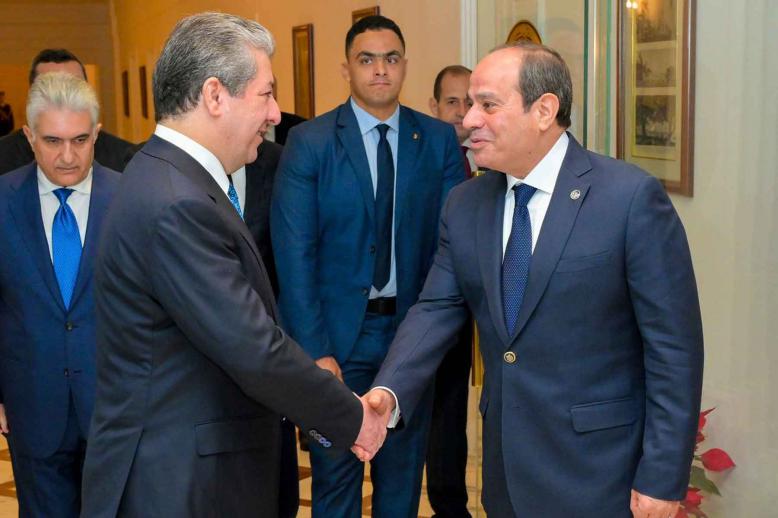
Against this backdrop, Nechirvan Barzani used his participation in the Munich Security Conference to reinforce Kurdistan’s international standing, holding a series of diplomatic meetings aimed at strengthening the region’s role in regional stability.
His messaging focused on three core principles: presenting Kurdistan as a pillar of regional stability, emphasising the constitutional rights of the Kurdish people within Iraq, and affirming support for Syria’s unity while ensuring Kurdish rights are protected within any future political settlement.
In this context, Barzani met Mazloum Abdi, commander of the Syrian Democratic Forces, and stressed the importance of a comprehensive political solution in Syria that guarantees the rights of Kurds and all communities within a unified state.
Barzani also held meetings with Marco Rubio and senior US official Allison Hooker, who praised his role in facilitating dialogue involving Kurdish forces and reaffirmed Washington’s commitment to supporting Iraq and the Kurdistan Region.
These engagements have elevated Barzani’s profile as a key diplomatic interlocutor in regional security issues, particularly regarding Syria, while reinforcing Kurdistan’s influence within Iraq’s internal political dynamics.
Despite these diplomatic efforts, the fundamental challenge remains securing an internal Kurdish political agreement capable of unlocking government formation.
The prolonged deadlock highlights the fragility of Kurdistan’s political equilibrium and underscores the importance of compromise between the KDP and PUK, whose rivalry has long shaped the region’s governance.
Ultimately, Kurdish leaders face a delicate balancing act: preserving unity at home while maintaining their strategic influence in Baghdad and internationally. The success or failure of ongoing negotiations will not only determine the formation of the next Kurdistan government but also shape the region’s political stability and role within Iraq’s federal system.