

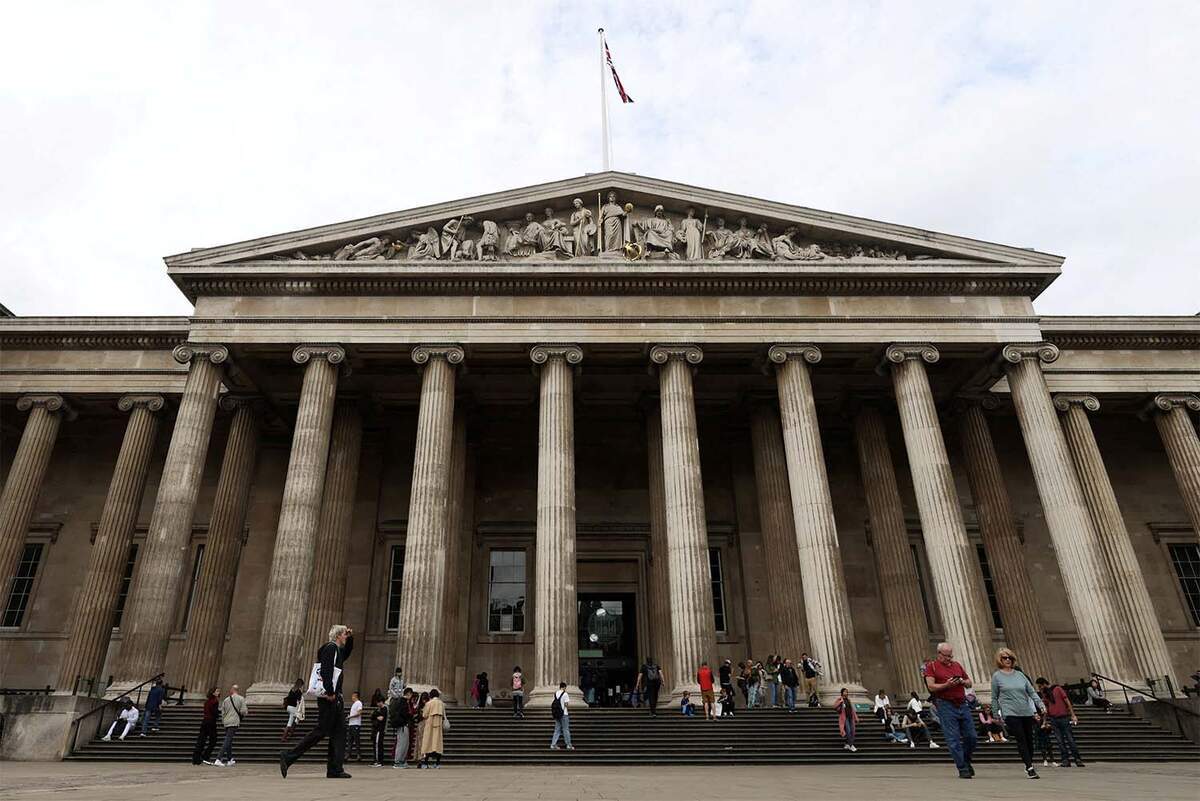
The British Museum is facing accusations of historical erasure
British Museum rebuked for removing references to ‘Palestine' from artifacts
The museum’s decision has drawn sharp criticism from archaeologists, historians, and Palestinian rights advocates, who accuse one of the world's premier heritage institutions of yielding to political lobbying at the expense of historical nuance.
Monday 16/02/2026
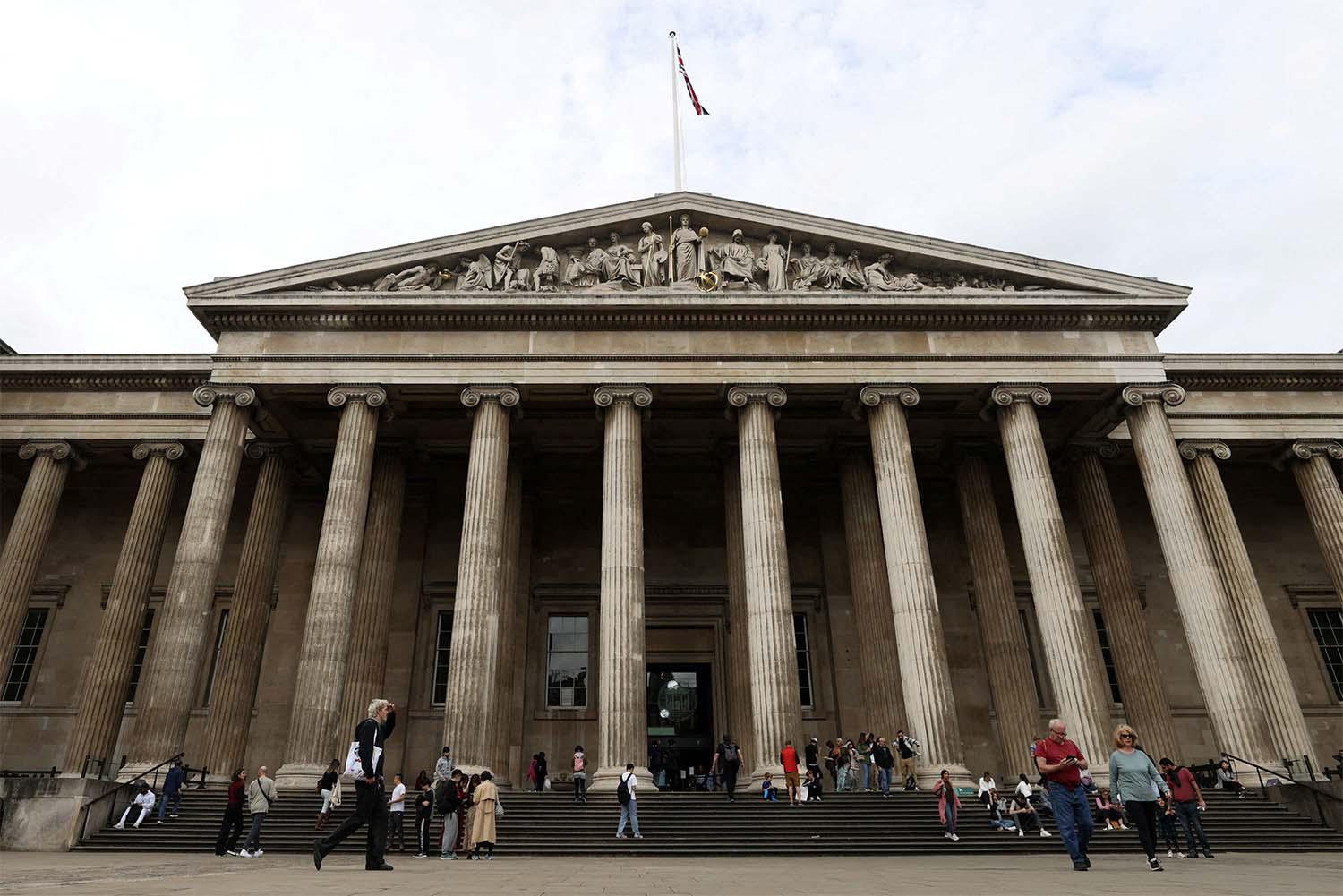
The British Museum is facing accusations of historical erasure
LONDON — The British Museum has quietly removed references to "Palestine" from descriptions of artifacts in its ancient Middle East galleries, a decision taken following intervention from a controversial pro-Israel advocacy group.
The changes, which affect signage related to objects from the Bronze and Iron Ages, have sparked intense debate about historical nomenclature, political influence on cultural institutions, and accusations of historical erasure.
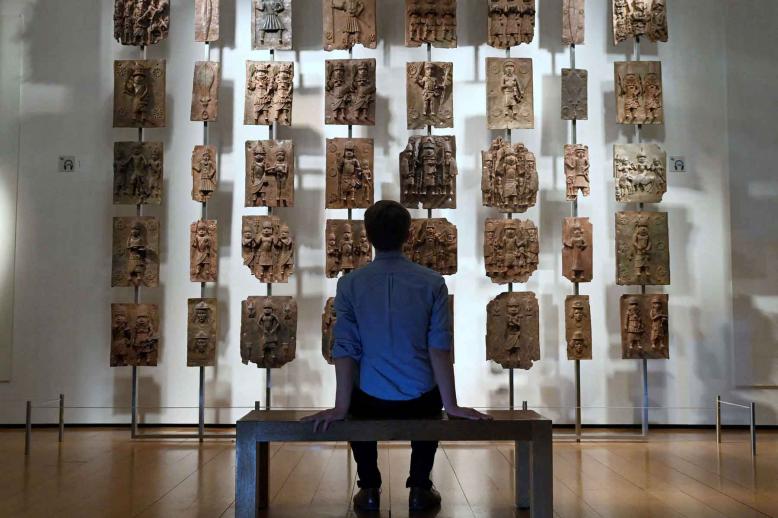
Visitors to the renowned London institution recently noticed that explanatory texts within the galleries dedicated to the ancient Levant—the region spanning the Eastern Mediterranean—had been edited. Where previous descriptions referred to artifacts discovered in "Palestine," the museum has substituted broader geographical terms such as "the Levant" or specific pre-Roman descriptors like "Canaan."
The impetus for this curatorial shift was a formal complaint lodged by UK Lawyers for Israel (UKLFI), according to the Telegraph.
The pro-Israel group is known for its assertive legal and advocacy campaigns challenging perceived anti-Israel sentiment or policy across various sectors in the UK, including academia, local government, and the arts.
In a letter to the museum’s curators, UKLFI argued that the use of the term "Palestine" to describe the region prior to the Roman era was historically inaccurate and anachronistic.
Their central argument rests on a specific historical timeline: that the region was officially designated "Syria Palaestina" by the Roman Empire only around 135 CE. This renaming occurred after Emperor Hadrian suppressed the Bar Kokhba revolt, the second major Jewish rebellion against Roman rule. UKLFI contends that applying the name to civilizations flourishing centuries or millennia before this date is misleading.
Following receipt of the letter, the British Museum initiated a review of the signage and proceeded with the amendments.
In a statement regarding the changes, a spokesperson for the British Museum framed the decision as a matter of evolving historical precision rather than political capitulation.
The museum stated its intention to use terms that are "historically accurate" for specific time periods, suggesting that "the Levant" offers a broader, more neutral geographical framework for the diverse cultures of the ancient region.
However, the decision has drawn sharp rebukes from archaeologists, historians, and Palestinian rights advocates, who accuse one of the world's premier heritage institutions of yielding to political lobbying at the expense of historical nuance.
Critics argue that while the formal Roman administrative renaming is a historical fact, variations of the name "Palestine" have a much deeper lineage in the region's recorded history.
Historians point out that ancient Egyptian texts from the 12th century BCE refer to the "Peleset"—one of the "Sea Peoples" who settled on the southern coast of the Levant. Furthermore, the Greek historian Herodotus, writing in the 5th century BCE—long before the Roman renaming—explicitly used the term "Palaistinê" to describe the stretch of land between Phoenicia and Egypt.
For these critics, the museum’s decision to align its terminology solely with the later Roman administrative change ignores centuries of prior usage and appears to validate a modern political narrative that seeks to minimize the historical footprint of Palestine.
The controversy highlights the increasingly delicate position of major Western museums, which are facing heightened scrutiny over how they categorize, display, and describe their vast collections amidst contemporary geopolitical polarizations.