



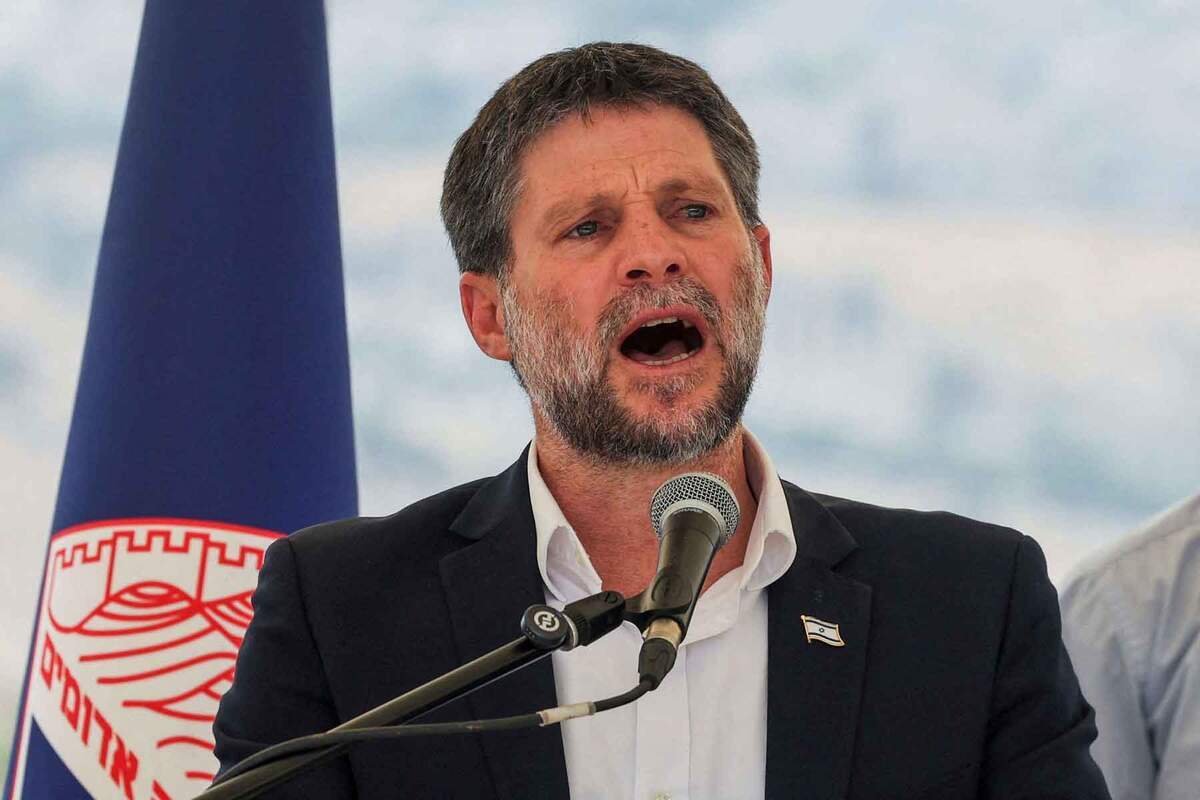
Hardline positions on social and security issues
Israeli minister’s remarks on women soldiers draw calls for dismissal
The latest controversy risks intensifying friction within Israel’s already polarised political landscape, as critics warn that such rhetoric could undermine morale within the armed forces.
Tuesday 17/02/2026
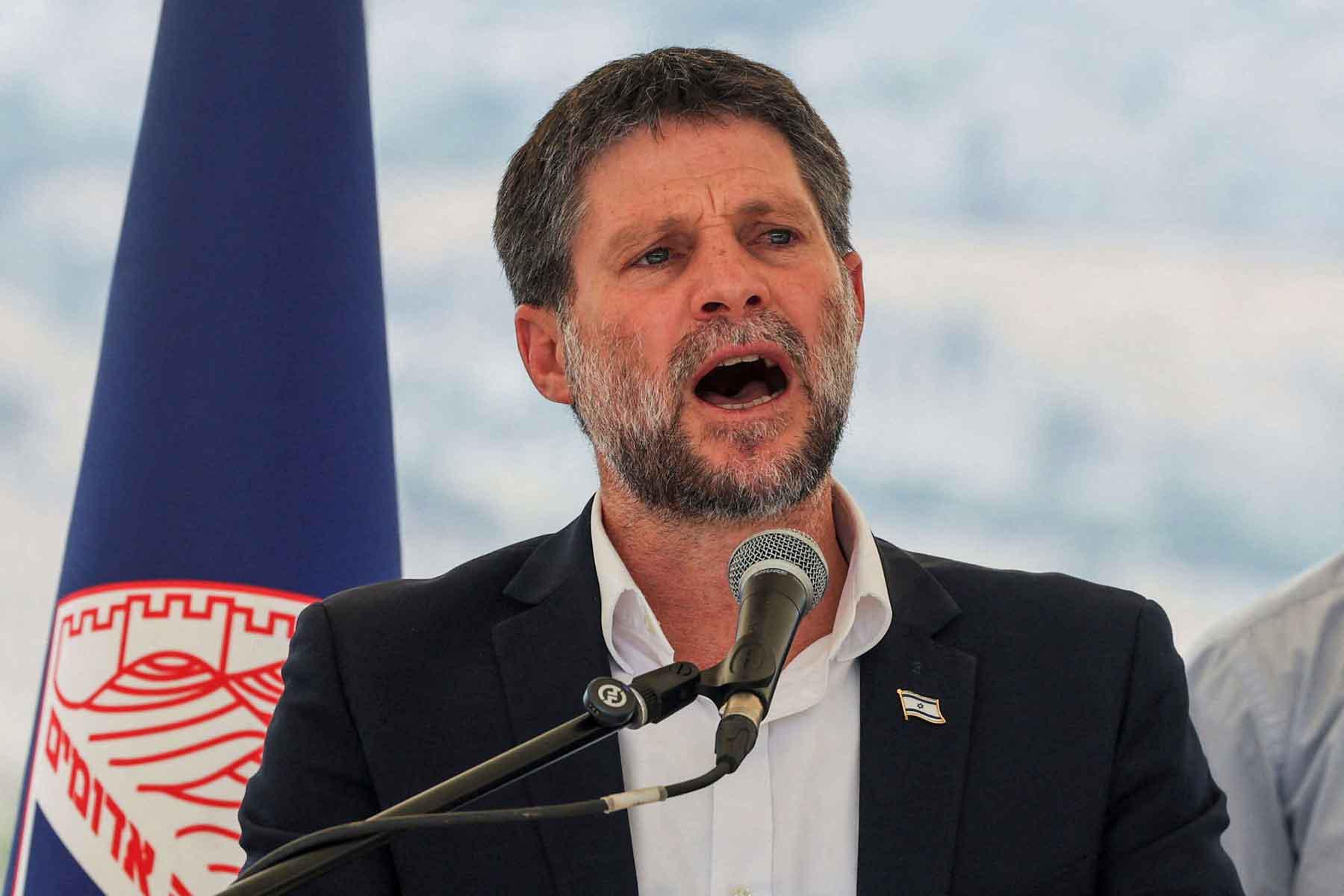
Hardline positions on social and security issues
JERUSALEM – Israel’s far-right Finance Minister Bezalel Smotrich triggered fierce backlash after declaring his opposition to mixed-gender military service and questioning the presence of women in combat roles, prompting calls for his immediate dismissal and exposing deep ideological divisions over the role of women in the armed forces.
The controversial remarks were made on Monday during a meeting of the parliamentary bloc of the Religious Zionism party, which Smotrich leads, according to the Israeli newspaper Haaretz.
During the meeting, Smotrich said he would discourage his own daughter from military service, stating: “I will make an effort to educate my daughter not to enlist in the army, because the Chief Rabbinate opposes it.”
He framed his stance as rooted in religious conviction and tradition. “This is a world of values that is thousands of years old. I hope the great liberals will respect it. I respect anyone who thinks differently from me,” he said.
Smotrich added that his objections were based on religious, ideological and professional considerations. “I have my own position, for religious, faith-based and professional reasons, regarding the impact of mixed-gender service,” he said. “I know there are those who disagree with me. Everyone should do what they think is right for them.”
However, he went further, asserting that integrated military units harm operational effectiveness.
“Mixed units are bad for professional reasons; they create a poor atmosphere and harm the professionalism of the Israeli army. In my view, there is no debate about that,” he said, also describing the placement of female soldiers in tanks alongside men as “unreasonable”.
He added: “This is my position, but I do not tell people what to do. I think having women in combat roles in the army is not right – but if others think differently, that is fine, as the army allows it.”
Immediate backlash and calls for dismissal
The remarks drew swift condemnation from the advocacy group Awake Mother, which represents mothers of female soldiers and reservists. The group described Smotrich’s comments as “dangerous” and “irresponsible”, and demanded that Prime Minister Benjamin Netanyahu remove him from office.
“We are shocked that a minister in the Israeli government would declare that he will raise his daughter not to enlist in the army,” the group said in a statement.
It added that Smotrich’s comments undermined the contribution of female soldiers at a time when thousands are actively serving. “He casts doubt on women’s ability to serve in combat and mixed units, while our daughters serve, fight, and repeatedly put themselves at risk,” the statement said.
The group accused the finance minister of insulting female troops, saying his remarks amounted to “spitting in the face of thousands of female soldiers and fighters in the Israeli army, whose contribution to our security has been proven beyond doubt.”
Wider tensions over religion, gender and military service
The controversy highlights longstanding tensions in Israel between secular and liberal segments of society and religious conservatives, particularly over the integration of women into combat and leadership roles within the Israel Defence Forces.
Israel is one of the few countries in the world that mandates military service for women. Since the outbreak of the Gaza war in October 2023, approximately 65,000 women have served in reserve units, according to Israeli media reports. Military data cited by Channel 12 indicates that more than 8,500 women currently serve in combat roles.
Women’s participation in frontline and specialised units has expanded significantly in recent years, reflecting both operational needs and broader social changes. However, these shifts have faced resistance from ultra-Orthodox and religious nationalist factions, which argue that mixed service conflicts with religious principles and undermines traditional gender norms.
Smotrich, a key figure in Israel’s religious nationalist camp and a central member of Netanyahu’s governing coalition, has frequently drawn criticism for hardline positions on social and security issues.
The latest controversy risks intensifying friction within Israel’s already polarised political landscape, as critics warn that such rhetoric could undermine morale and cohesion within the armed forces during an ongoing war.
For supporters of women’s integration, the issue has become symbolic of broader struggles over equality, secularism and the balance between religious authority and state institutions.
Despite the uproar, there has been no immediate indication that Netanyahu intends to act on calls to dismiss Smotrich. However, the episode has renewed debate over the influence of religious ideology within Israel’s government and military, and the future role of women in one of the country’s most central national institutions.